


/https%3A%2F%2Fcdn-tor.buminteractif.com%2F2026%2F07%2F09212551%2F1920_anko-van-der-werff_ac_16-9.jpg)
Air Canada has named Scandinavian Airlines chief executive Anko van der Werff as its next president and CEO, selecting a multilingual airline executive whose ability to speak French addresses one of the biggest criticisms levelled at the carrier's outgoing leadership. Van der Werff will take over by the end of January 2027, succeeding Michael Rousseau, who announced his retirement earlier this year after nearly two decades with the airline. The appointment comes just months after Rousseau faced intense backlash for delivering a message about the fatal LaGuardia crash almost entirely in English despite Air Canada's headquarters being located in Montreal.
Van der Werff arrives with more than 25 years of aviation experience across Europe and Latin America. The Dutch executive has led Scandinavian Airlines, better known as SAS, since 2021, overseeing the airline through a major financial restructuring following the COVID-19 pandemic. Before joining SAS, he held senior leadership positions at Avianca, Aeromexico and Qatar Airways. Air Canada said its global search attracted experienced candidates from around the world, but the board ultimately selected Van der Werff because of his operational experience, international background and ability to lead the airline through its next phase of growth.
I understand the importance of being able to communicate in French here in Canada.
-Anko van der Werff
French at the forefront of the conversation
Language quickly became one of the defining stories surrounding the appointment of Air Canada's new CEO. Shortly after Air Canada announced the hiring, Van der Werff released a six-minute video to employees, delivered entirely in French, promising to serve Canadians in both official languages. The message stood in sharp contrast to the controversy surrounding Rousseau, whose limited French abilities repeatedly drew criticism during his tenure. Earlier this year, thousands of complaints were filed after Rousseau's video honouring the Air Canada pilots killed in the LaGuardia collision was delivered almost exclusively in English, reigniting debate over bilingual leadership at one of Canada's largest federally regulated companies.
On March 22, an Air Canada plane coming from Montreal collided with a fire truck on the runway at LaGuardia Airport in New York. At the time of the accident, there was an emergency on another runway, and the air traffic controller mistakenly gave the emergency vehicle permission to cross the runway where Air Canada Express Flight 8646 had just landed. ATC attempted to rescind its permission, but the fire truck did not stop. Flight 8646, a CRJ-900 operated by Jazz Aviation, struck the firetruck, killing both pilots and sending more than 40 people to the hospital. The plane was carrying 76 souls from Montreal to New York, with four crew members and 72 passengers on board. One of the pilots killed in the accident was a French-Canadian individual. Rousseau failed to deliver Air Canada's message in French, causing thousands of French-speaking Canadians to complain about the lack of bilingualism in the crown corporation. The message, which was targeted directly towards Captain Antoine Forest's family, was delivered entirely in English.
Air Canada stresses hiring was due to resume, not language
While language certainly dominated the public discussion, Air Canada's board has highlighted Van der Werff's operational record. During his five years at SAS, he guided the Scandinavian carrier through bankruptcy protection, restructuring negotiations and a major reorganization aimed at returning the airline to profitability. He also oversaw the company's transition into the SkyTeam airline alliance and helped position SAS for increased investment by Air France-KLM. Air Canada chair Vagn Sørensen said the board believes Van der Werff's experience managing complex airline operations will be critical as the carrier continues expanding its fleet and international network.
Rousseau officially stepping down
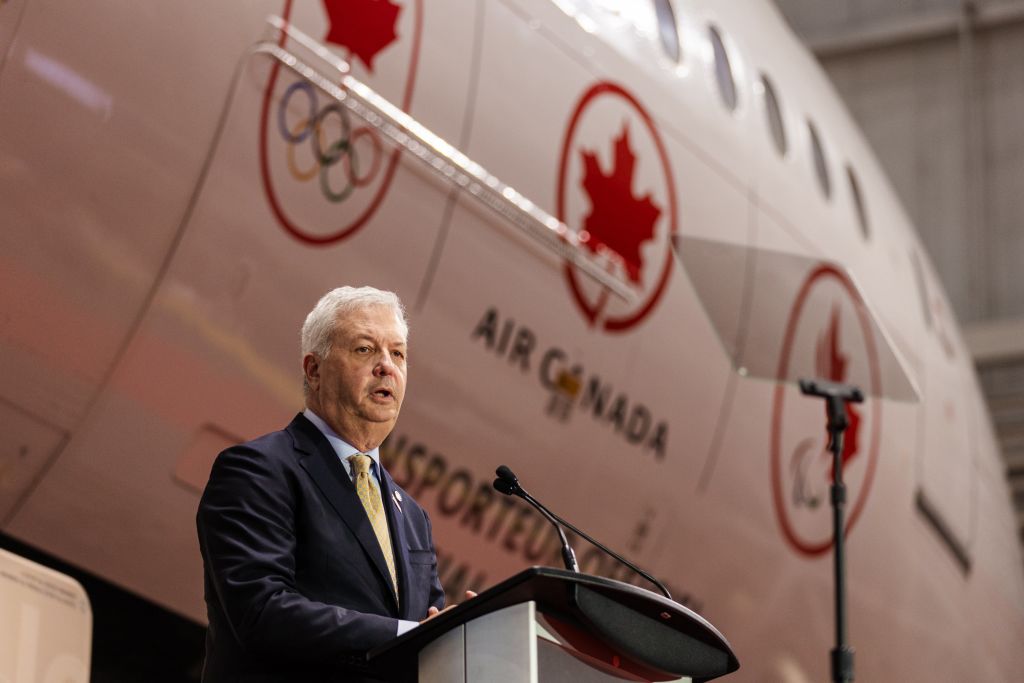
Rousseau will step down as chief executive on Aug. 31 after 19 years with Air Canada, including five years as CEO. According to Air Canada, Rousseau will remain available during the transition until Van der Werff assumes the role in January. Although Air Canada has maintained that Rousseau's retirement was planned before the language controversy erupted, his departure followed months of political criticism in Quebec and renewed scrutiny of the airline's obligations under Canada's Official Languages Act. Federal politicians, Quebec ministers and language advocates informally requested his retirement, questioning whether the country's flagship airline should be led by someone unable to communicate fluently in French.
For Air Canada, the appointment marks the beginning of a new chapter for the organization. The airline's next CEO is inheriting a company in the middle of a major fleet renewal. At the same time, Air Canada is attempting continued international expansion and is experiencing heightened public expectations. With flights being delayed and routinely cancelled, pubic perception of the brand has tanked over the last year. Air Canada hopes that with its new CEO, who brings with him an impressive resume and the necessary French skills, the brand perception will be aided. Van der Werff is expected to join Air Canada's board and formally assume the role of president and chief executive by the end of January 2027.
