


/https%3A%2F%2Fcdn-tor.buminteractif.com%2F2026%2F01%2F19145506%2FCover-.jpg)
Scientists have identified tryptophan, one of the 20 proteinogenic amino acids, in samples from the asteroid Bennu, thanks to NASA's OSIRIS-REx mission. This discovery is particularly remarkable, as it is the first time this complex amino acid has been observed in material of extraterrestrial origin, even though it has never been detected in meteorites arriving on Earth. The OSIRIS-REx mission was launched to study Bennu, a carbon-rich asteroid considered to be a remnant of the early solar system. In 2020, the probe collected almost 122 grams of material from its surface, before returning the samples to Earth in 2023. One of the major advantages of this mission is that the samples were recovered without undergoing the alterations associated with entry into the Earth's atmosphere, making them much “purer” than usual meteorites. This allows researchers to observe fragile molecules, salts, and minerals that would otherwise have been destroyed.
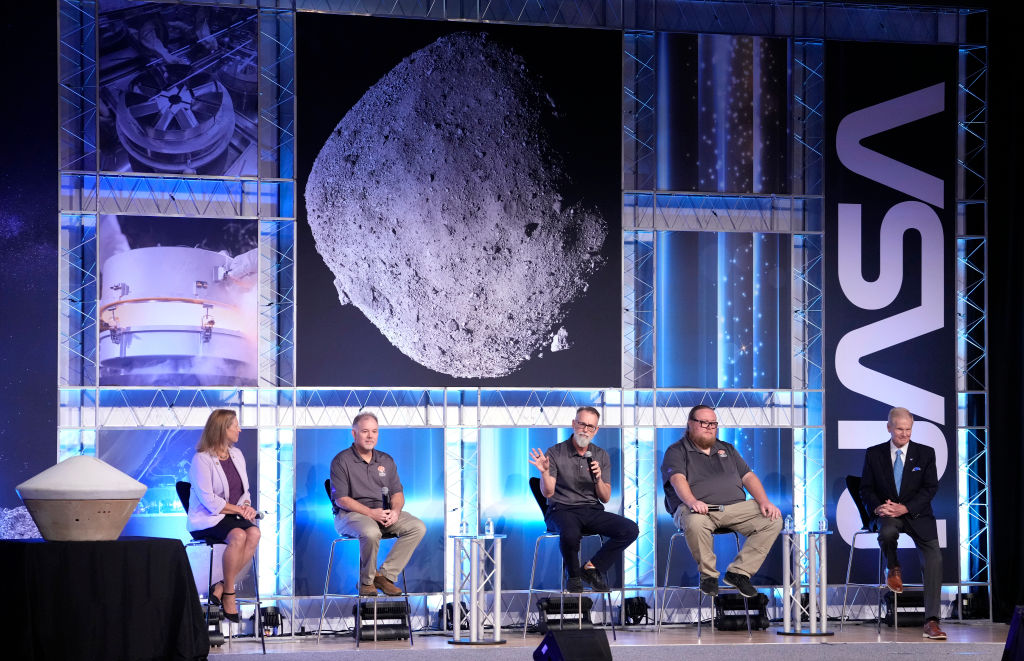
The tryptophan found in this latest discovery is one of the twenty amino acids used by living organisms to make proteins, and is one of the so-called essential ones, which the human body cannot produce. Previous studies of asteroid Bennu had already revealed the presence of 32 amino acids, 14 of which are among the 20 amino acids used by terrestrial life, as well as the five nitrogenous bases making up DNA and RNA. This new detection of tryptophan now brings to 15 the number of amino acids found on this asteroid. Similar discoveries had been made on Ryugu, another asteroid studied by Japan, as well as in certain meteorites. These elements reinforce the hypothesis that asteroids could have played a major role in providing the ingredients necessary for the appearance of life on Earth.

According to the researchers, the molecules found on Bennu would have formed naturally in space, well before the birth of our planet, probably from materials produced by supernovas. The asteroid also contains ammonia, various minerals, and other chemical species, showing that it was home to complex geological activity in the past, with liquid systems capable of generating different reactions. Specialists compare the molecules found to puzzle pieces: they do not constitute life, but represent its essential building blocks. The fact that complex amino acids form spontaneously in space strongly supports the idea that the conditions necessary for the emergence of life are not unique to Earth, and that our planet was probably enriched by extraterrestrial materials during its first millions of years.
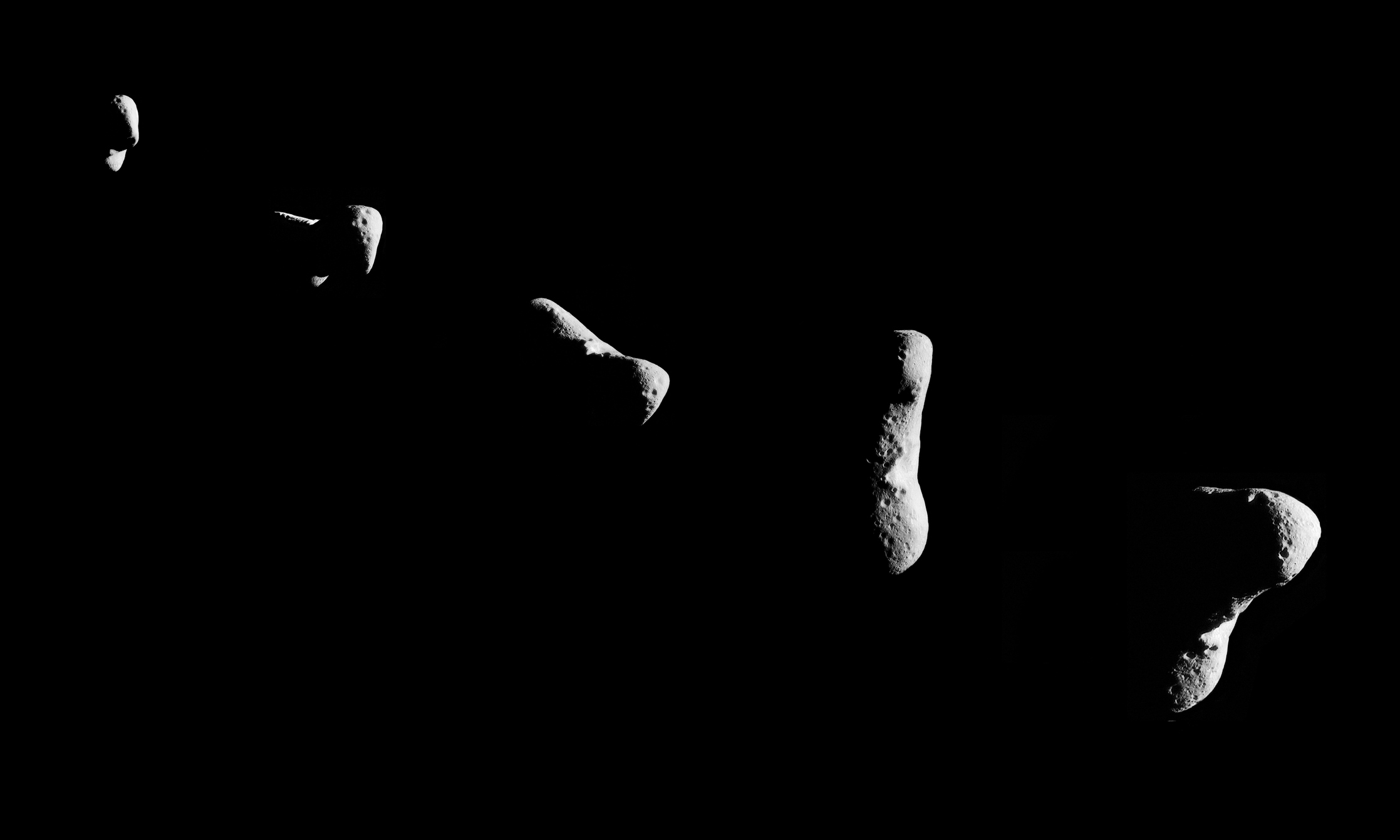
According to Sara Russell, a professor of planetary science and head of the planetary materials group, tryptophan is difficult to detect in meteorites, as it does not stand up well to the heat of atmospheric entry. Its presence in an intact sample like Bennu's is therefore particularly valuable for understanding what was contained in the solar system's small bodies before they fell to Earth. Many researchers stress the importance of sample return missions such as OSIRIS-REx: they enable us to obtain material that is truly representative of the early solar system, and to better understand how life came to be on our planet.
