/https%3A%2F%2Fcdn-tor.buminteractif.com%2F2026%2F07%2F14191716%2Ftrump-werwe5345ghdf4534dftgdfg.jpg)
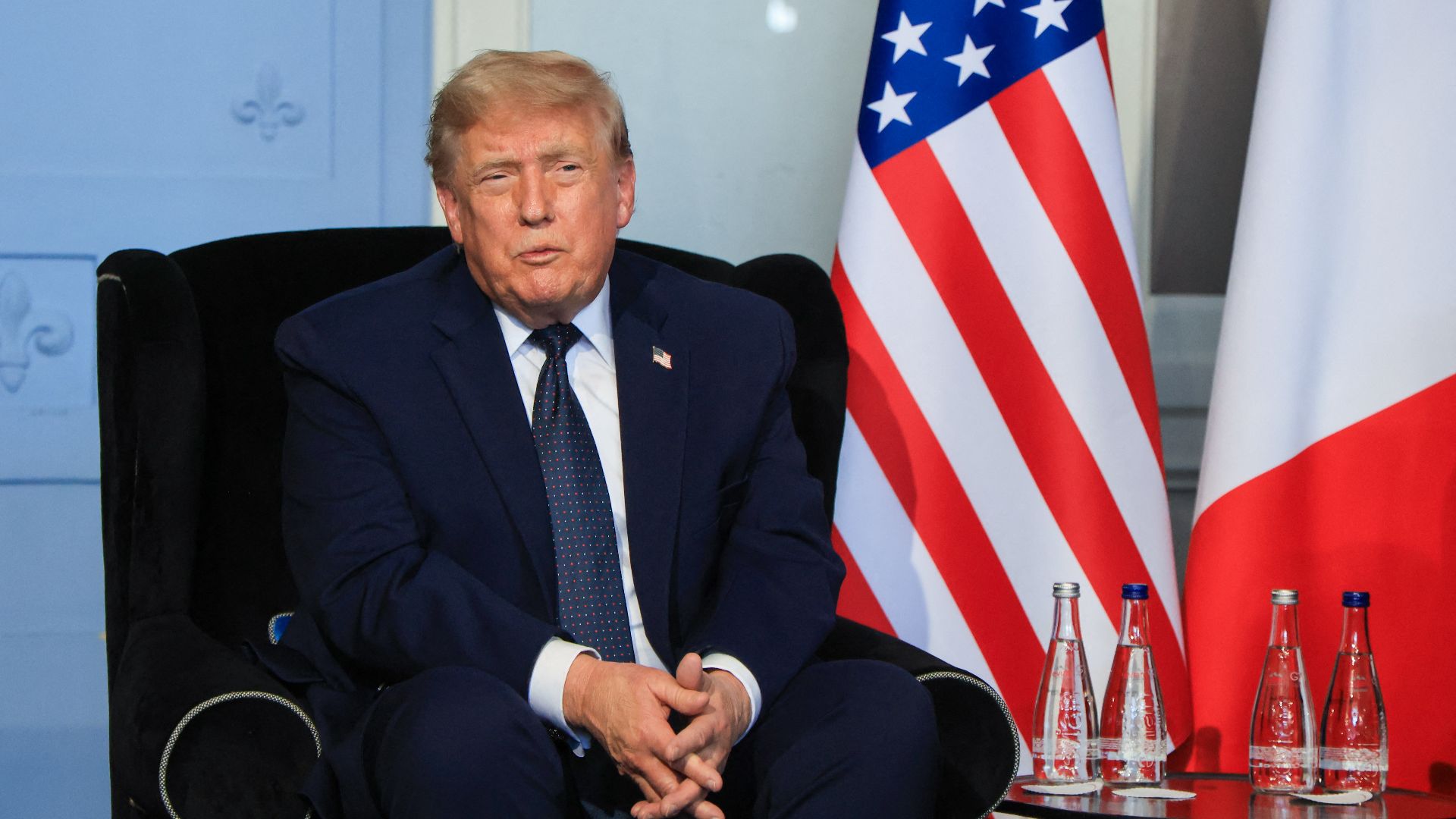
Donald Trump's recent reposting of an AI-generated image—showing Canada, Greenland, Cuba, and Venezuela under the U.S. flag—has reignited a debate that goes beyond mere media controversy. Without a caption or explanation, the image was shared on Truth Social and immediately sparked mixed reactions: enthusiasm among his supporters, condemnation and sarcasm from his critics, and official or symbolic responses from the countries involved. To understand the scope of the controversy, we must examine three dimensions: the visual content itself, the diplomatic context at the time of reposting, and the political uses of AI in modern communication.
The Image and Its Ability to Convey Meaning
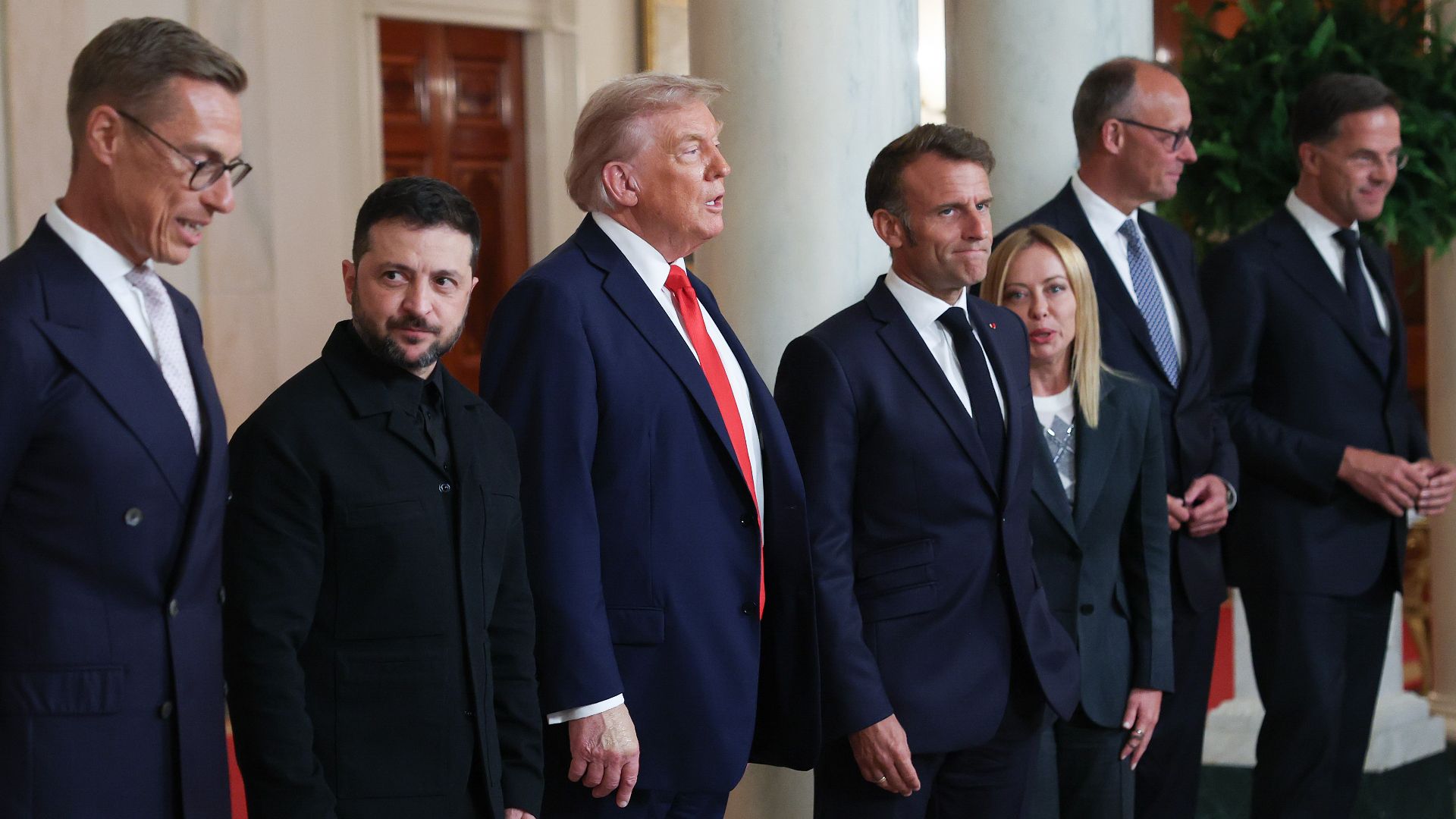
What strikes one immediately is the evocative power of the image: a map in which sovereign countries appear literally “annexed” by a powerful national symbol, the American flag. Technically, the image is a montage that replaces the original map—displayed during a meeting in the Oval Office—with an expansionist map. Yet the image needs no explanation to be effective: it immediately triggers historical and emotional associations related to sovereignty, borders, and power. The human eye quickly interprets what is presented as visual reality, and it is precisely this speed of interpretation that communications professionals exploit.
Context: Why Timing Matters
The repost comes at a sensitive time: tensions surrounding Greenland, persistent disagreements with allies such as Canada, and renewed debates on Arctic security. When a visual gesture occurs in this type of context, it can be read as a political signal—whether intentional or not. Some observers see it as a provocation intended to elicit diplomatic and media reactions; others interpret it as a strategy to mobilize the base by playing on nationalist symbols. In any case, the timing amplified the image's impact and transformed it into a diplomatic tool rather than a mere meme.
Reactions and Digital Strategies
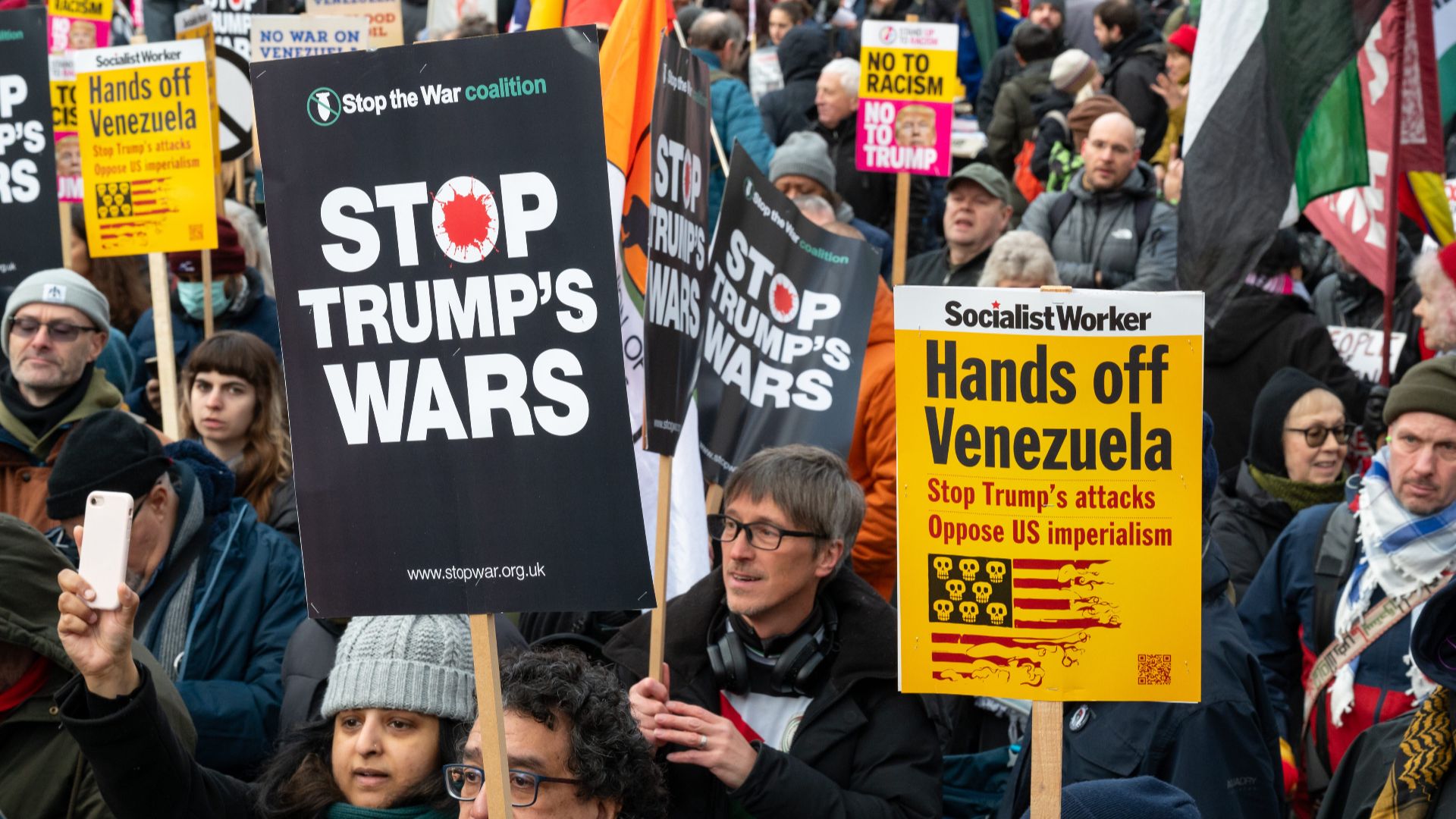
Responses were swift: internet users, media outlets, and governments published “counter-maps”—graphic parodies that turned the provocation on its head—while officials reaffirmed their sovereignty through official statements. Domestically, the image was hailed by some in the political base as a display of boldness; internationally, it sparked outrage and ridicule. This back-and-forth illustrates how AI-generated images can be leveraged in modern communication strategies, where virality sometimes takes precedence over truth or context.
Risks and Diplomatic Implications
- Symbolic escalation: An image can be interpreted as a political statement, even if it is not a formal one.
- Deterioration of relations: The repeated use of expansionist imagery can fuel friction with allies or neighbors.
- Normalization of visual manipulation: The use of AI to alter diplomatic scenes raises questions about trust in public imagery.
Ultimately, this reposting demonstrates just how central images are to the war of perceptions in the digital age. Even without accompanying text, an image can reshape an international debate in a matter of hours. Governments, media outlets, and platforms will need to strengthen their fact-checking and contextualization tools if we are to prevent visual diplomacy from replacing diplomacy based on facts. Finally, for the public, this episode serves as a reminder of the importance of caution: an image is not always what it seems, and its symbolic power deserves to be scrutinized before it is shared.