


/https%3A%2F%2Fcdn-tor.buminteractif.com%2F2026%2F07%2F5f5b0208-346d-4b15-9ef1-db48f9ae457c.jpg)
Many car models deserve a second look because their potential has been obscured—not by technical flaws, but by ill-conceived marketing positioning. In this article, we analyze the common reasons why a high-performance vehicle might go unnoticed and illustrate these points with concrete examples. The goal is both to inform the passionate reader and to suggest ways to communicate more effectively.
1) The Pitfall of Inappropriate Comparisons
Positioning a car by directly comparing it to luxury or established models may sound like a noble—but often futile—marketing challenge. The Kia Stinger is a good example: marketed as a rival to European sports sedans, it was drawn into an image-based competition to which the brand did not yet have full access. The result: the public mainly compares brand prestige and history, not always the technical specifications or value for money. Instead, highlighting concrete advantages—such as the hatchback design, features, and versatility—would have helped reach an audience seeking a “real” pragmatic alternative.
2) A Blurred Identity: Neither One Nor the Other
Some vehicles find themselves caught between two worlds. The Subaru Baja, the Ford Flex, and even the Buick Regal TourX have all suffered from an identity that's hard to explain: neither a traditional pickup truck, nor a classic station wagon, nor an SUV that fully reassures the average customer. When consumers don't know exactly what a product is for, they hesitate. A clear message—“perfect for families on the go,” “ideal for the small business owner,” “the compact alternative to an SUV”—helps trigger the purchase.
3) Misleading Vocabulary
Marketing terms like “sporty,” “crossover,” or “luxury” are sometimes applied too liberally. The Honda CR-Z, billed as a “sporty hybrid,” saw conflicting expectations arise around it: performance on one hand, fuel economy on the other. The solution is simple: specify the main benefit and adopt a clear positioning, even if it means highlighting a less spectacular use case that's better suited to the actual target audience.
4) Brand Image vs. Product Proposition
Hyundai experienced this disconnect with the Equus: aiming to break into the premium segment without an immediately recognizable brand equity leads to unfavorable comparisons. Conversely, demonstrating tangible evidence—build quality, superior comfort, precise performance—can gradually establish legitimacy without requiring a historic brand name.
5) Visual Examples
To get a better feel for these models, a few images speak for themselves:
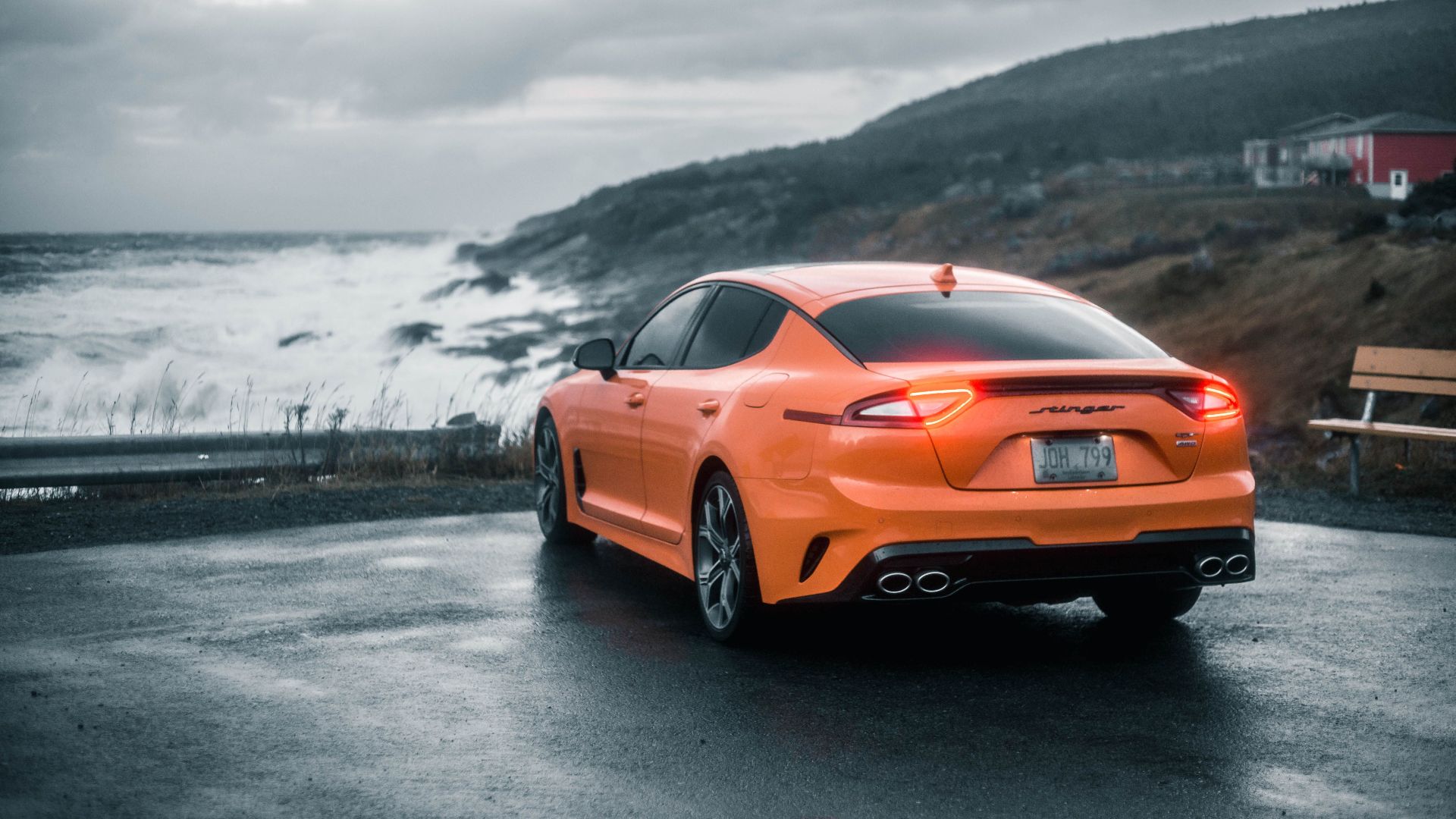

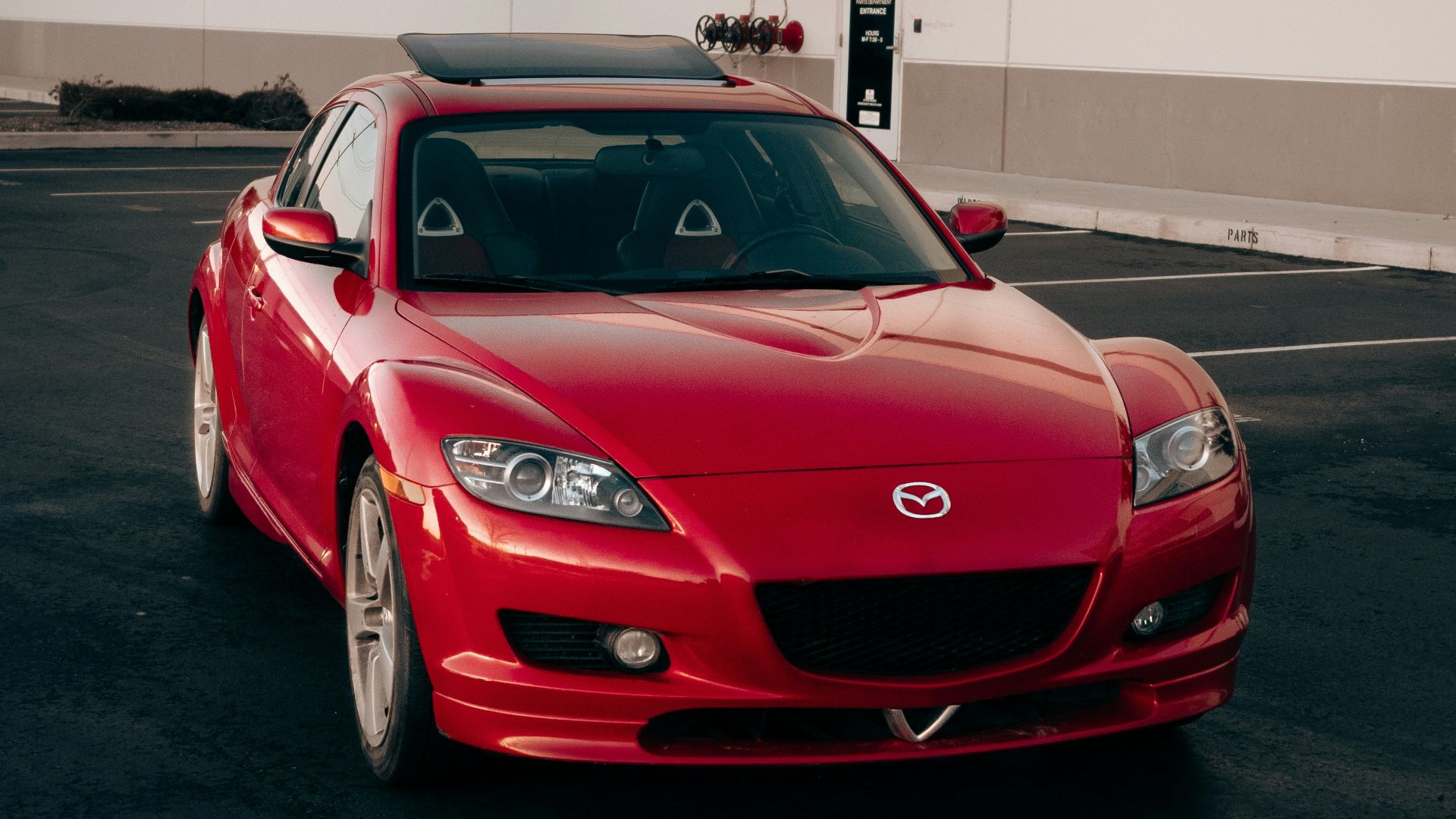
These visuals remind us that a car's appeal isn't just about the numbers: style, presentation, and a consistent marketing message play a central role.
6) How can you better market a little-known model?
- Clarify the target audience: urban families, outdoor enthusiasts, efficiency-conscious drivers, etc.
- Highlight a specific benefit: versatility, comfort, value for money, driving pleasure.
- Avoid comparisons based solely on brand image; instead, focus on tangible evidence (tests, testimonials, concrete figures).
- Adapt the distribution network and sales training so that salespeople know how to tell the right story.
7) Conclusion
Many cars deserve to be rediscovered because their true qualities haven't been properly highlighted. Whether due to overly ambitious positioning, a vague message, or a poorly defined target audience, marketing can obscure a product's advantages. Conversely, honest, targeted, and value-driven communication can transform an underrated car into a lasting success. For consumers, this means it's sometimes worth looking beyond the initial sales pitch: dig deeper, test it out, and judge based on real-world use rather than marketing promises.
If you'd like, I can provide a more in-depth analysis of a specific model, propose a repositioning strategy for a particular vehicle, or draft a ready-to-use marketing brief for one of the models mentioned.
