


/https%3A%2F%2Fcdn-tor.buminteractif.com%2F2026%2F06%2F08185807%2FGettyImages-1718053945.jpg)
The federal government has announced that it will be testing whether artificial intelligence can be implemented in the Canadian prison system. According to documents shared in Parliament, later confirmed by Correctional Service Canada (CSC), the AI system will be implemented to help create some of the most influential reports used inside Canada's prison system. The move is already raising concerns among legal experts, civil liberties advocates and opposition politicians as Canada continues to ramp up its use of controversial AI technology.
Pilot project being tested
Correctional Service Canada confirmed it has been conducting a pilot project examining whether AI can assist staff in preparing criminal profile reports for offenders entering federal custody. The reports are considered foundational documents within the correctional system and can influence decisions involving security classifications, rehabilitation programming and parole eligibility. While officials stress that the technology has not been used on real offenders and remains in a testing phase, critics argue the stakes are too high to risk introducing errors into a process that can affect an inmate's future for years.
The focus is on helping staff with time-intensive document review, analysis and information extraction from source materials used to prepare the criminal profile,
-Esther Mailhot, Senior Media Relations Advisor, Gov of Canada
Criminal profile reports are created when offenders first enter federal institutions. Staff review extensive records and compile information about an offender's criminal history, personal background, mental health, addictions, family circumstances and behavioural patterns. The documents are then used throughout an inmate's sentence and can influence how correctional authorities manage their incarceration. Because the reports often follow offenders throughout their time in custody, inaccuracies can have long-lasting consequences. Correctional Service Canada says the pilot project is intended to determine whether AI can help staff review and organize large amounts of information more efficiently while maintaining human oversight throughout the process.
Government pushing AI technologies
The project emerged through documents tabled in Parliament that revealed the government had awarded consulting firm Accenture a contract worth approximately $123,000 to conduct the trial between February and May 2026. According to Correctional Service Canada, the testing relied on anonymized sample records and artificially generated data rather than information from actual inmates. Officials say the system has not been used operationally, and no decision has been made about whether it will become part of the correctional system in the future. An evaluation of the project is expected later this year.
Despite the assurances from Accenture, specialists who study artificial intelligence warn that the technology is not immune to mistakes. AI systems are capable of generating inaccurate information, a phenomenon often referred to as AI hallucination. While those errors can be inconvenient in everyday uses, they become far more serious when incorporated into decisions involving incarceration, rehabilitation and public safety. Because criminal profile reports draw from complex records containing names, dates, legal documents and behavioural assessments, some experts fear mistakes could be difficult to detect before they are entered into an offender's file. Jennifer Evans, principal at the consulting and research firm PatternPulse AI, warned that the technology's limitations cannot be eliminated entirely.
There is no dispensing with that. No amount of training, no amount of what people will call better data will ever erase the issues of hallucination
-Jennifer Evans
Concerns have also been raised about the potential impact on Indigenous, Black and other marginalized offenders who are already disproportionately represented in Canadian prisons. For years, watchdogs and oversight agencies have warned that systemic barriers continue to affect outcomes within the correctional system. Previous investigations found Indigenous offenders often face poorer outcomes across a range of measures, leading critics to question whether algorithmic tools could unintentionally reinforce existing disparities if biases are embedded within the data used to train them.
World government is committing to AI
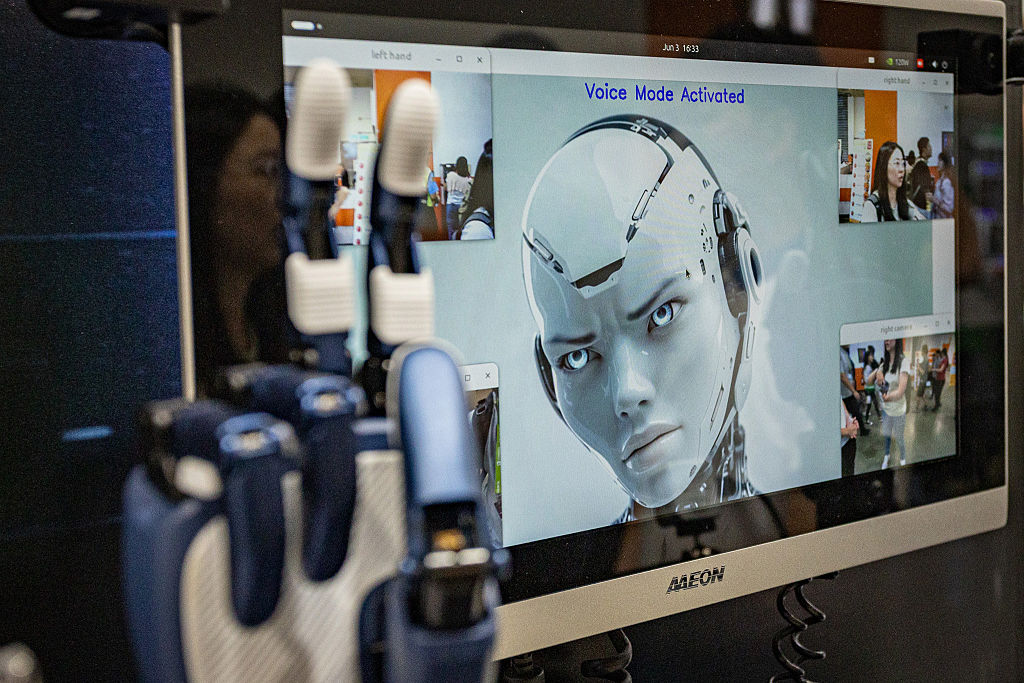
The decision comes as governments around the world increasingly explore artificial intelligence for administrative and decision-making tasks. In Canada, federal departments have been experimenting with AI tools for everything from document management to information processing. While the technology can reduce workloads, speed up administrative functions and allow public servants to focus on more complex tasks, there is mounting evidence that AI tech creates more problems than it solves.
For now, Correctional Service Canada maintains that human employees will remain responsible for reviewing any information generated through artificial intelligence. However, the pilot project has highlighted broader questions about how much influence AI should have within systems that directly affect people's rights and freedoms. Whether the technology ultimately becomes part of Canada's federal prison system remains uncertain. What is clear is that the debate surrounding its use has already begun, and the outcome could shape how artificial intelligence is deployed throughout the federal government for years to come.
 Elon Musk's SpaceX expands into AI with $60 billion acquisition
 DOJ wants xAI data center air pollution lawsuit thrown out
 SpaceX begins trading on Nasdaq as Elon Musk eyes trillionaire status