


/https%3A%2F%2Fcdn-tor.buminteractif.com%2F2026%2F02%2F09153510%2Fclintons-epsteingetty-34hnf4353.jpg)
Context and decision
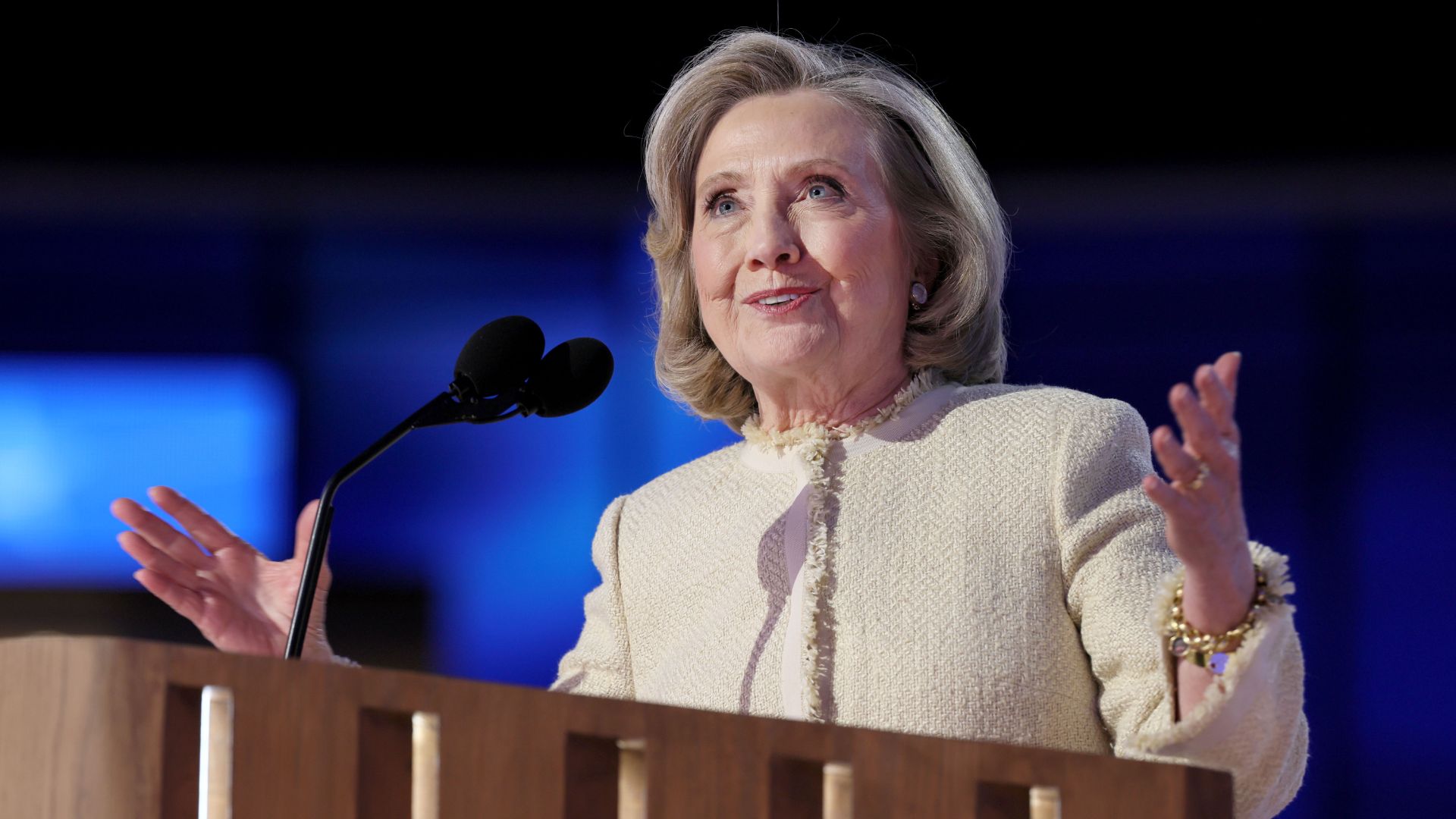
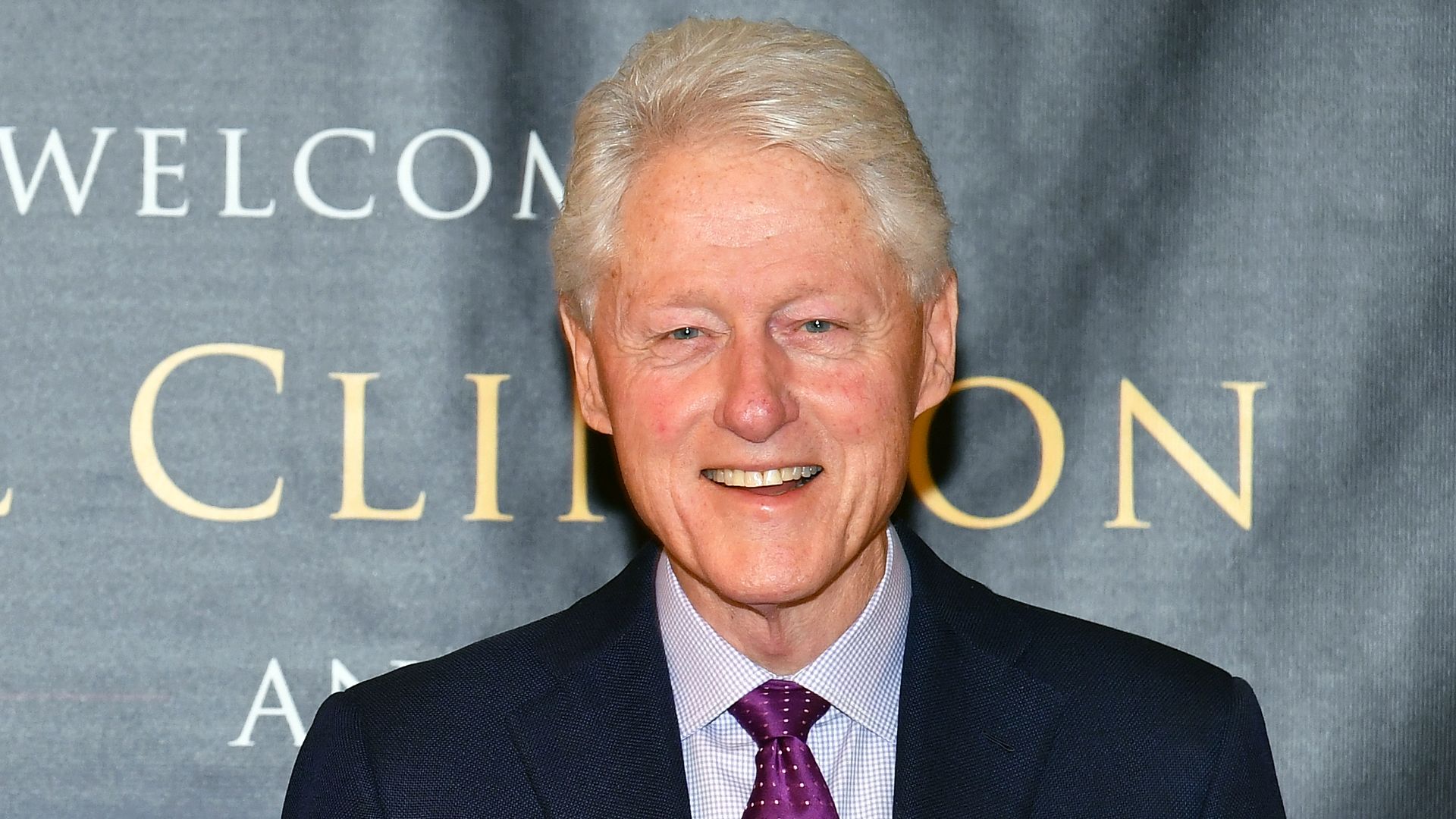
After several weeks of refusal, Bill and Hillary Clinton finally agreed to appear for depositions as part of the House Oversight Committee's investigation into Jeffrey Epstein. This reversal comes as political and media pressure intensified and a new wave of documents related to Epstein was made public, reviving attention on the figures appearing in these archives.
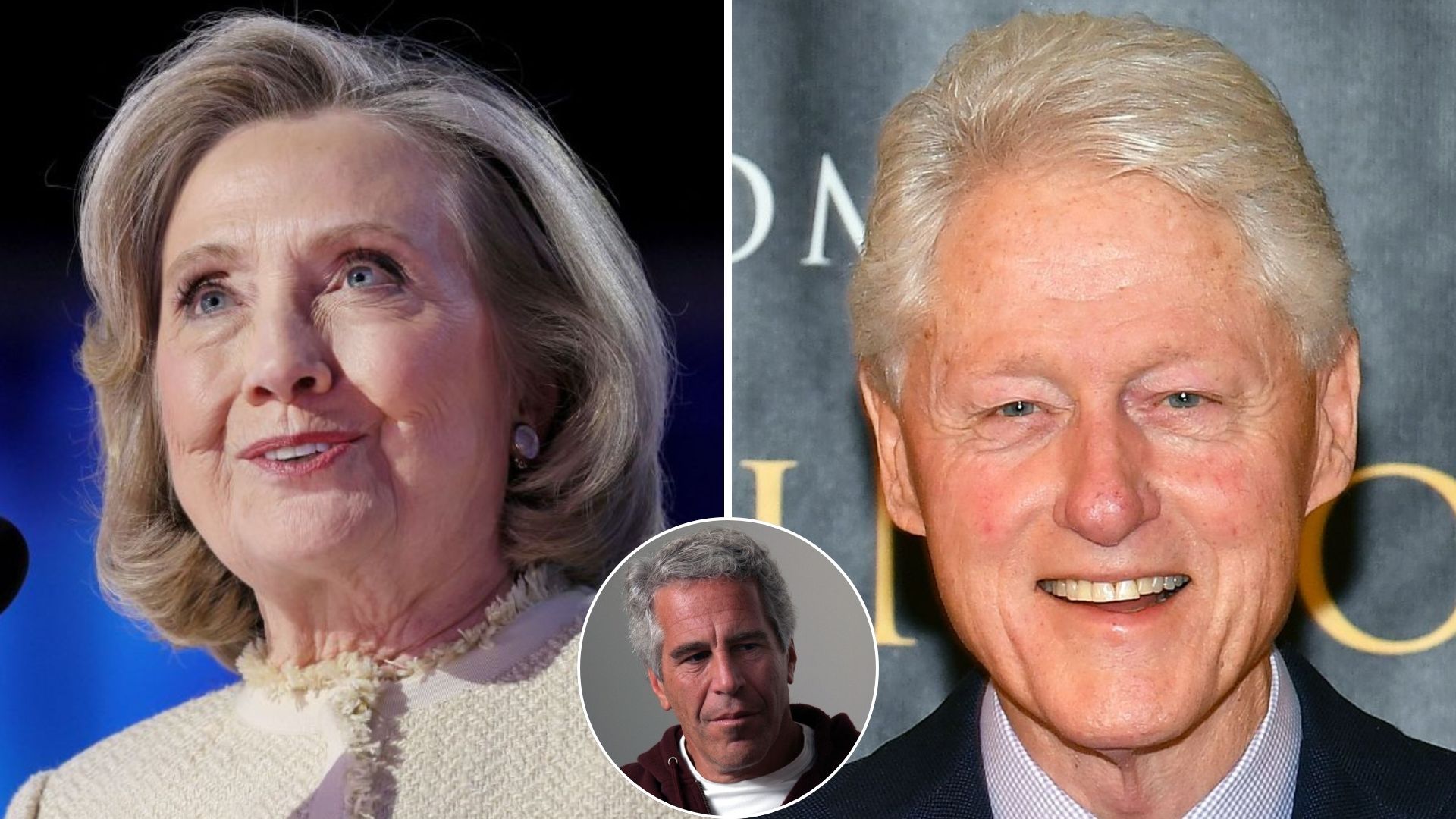
The decision to respond favorably to the summons addresses several issues: reducing the risk of a congressional vote accusing them of contempt, partially controlling the timing and format of their testimony, and attempting to frame the public narrative before new documents are posted.
How the negotiations unfolded
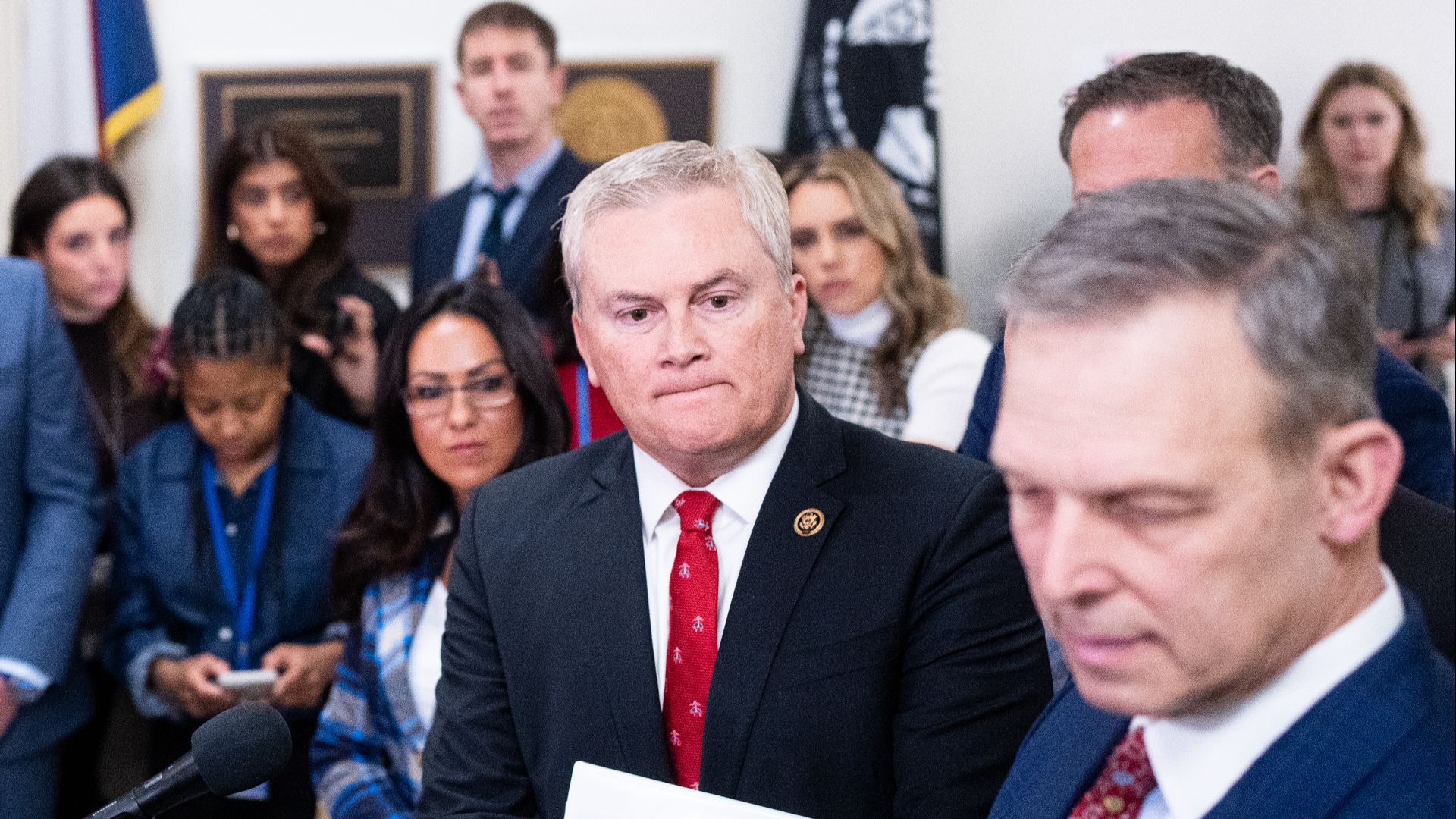
The Clintons' lawyers reportedly indicated that they wanted specific terms—such as a transcript or sworn statement—while committee chairman James Comer insisted on in-person depositions under oath, in accordance with committee rules. The exchanges show a balance between a willingness to cooperate to a limited extent and a strategic concern to preserve procedural rights.
Why it matters
- Transparency: The subpoenaing of prominent public figures signals a desire to obtain direct evidence, not just documents.
- Political dynamics: The case is becoming a tool for communication between parties, with each side seeking to capitalize on the revelations.
- Legal and media impacts: Testifying in person can open the door to cross-examination and media exposure that is difficult to control.
Public documents and their repercussions
The Clintons' decision comes as the Justice Department has posted millions of pages related to the Epstein investigation under a law on file transparency. This posting has reignited public interest and sparked debate about redactions, victim protection, and the interpretation of the information posted online.
The media has noted that influential names, photos, and references to well-known figures appear in these documents. However, the specific context (dates, locations, exact nature of interactions) often remains unclear, requiring caution before drawing definitive conclusions.
The political game surrounding the revelations
Donald Trump and some Republicans have sought to focus attention on Democrats such as the Clintons, even though elements of the file mention or illustrate figures from different political backgrounds. This political exploitation complicates the public reading of the documents and increases polarization around the investigation.
Risks and challenges for stakeholders
- For the Clintons: testifying limits the risk of formal sanctions for contempt, but exposes them to further public scrutiny.
- For the commission: obtaining high-level testimony enhances the credibility of the investigation but imposes stricter procedural requirements.
- For victims and the public: increased transparency can help shed light on the facts, but must be balanced with the protection of vulnerable individuals.

What to watch next
Several elements deserve ongoing attention:
- The dates and format of the depositions: will they allow for a genuine trade or will they remain controlled?
- Any new posts: these could provide important contextual details.
- Bipartisan reactions within the committee: these will indicate whether the investigation remains non-partisan or whether it is becoming more embroiled in political conflict.

In summary
The Clintons' decision to agree to testify is an important step in an investigation already marked by massive revelations and a strong political component. It is both a tactical response to limit procedural consequences and an opportunity to clarify public issues. It remains to be seen whether these depositions will shed lasting light on the role of various figures or whether they will become part of the long history of partisan controversies and interpretations.
We will continue to monitor the dates, terms, and effects of these testimonies to understand their real implications for the investigation and public debate.
