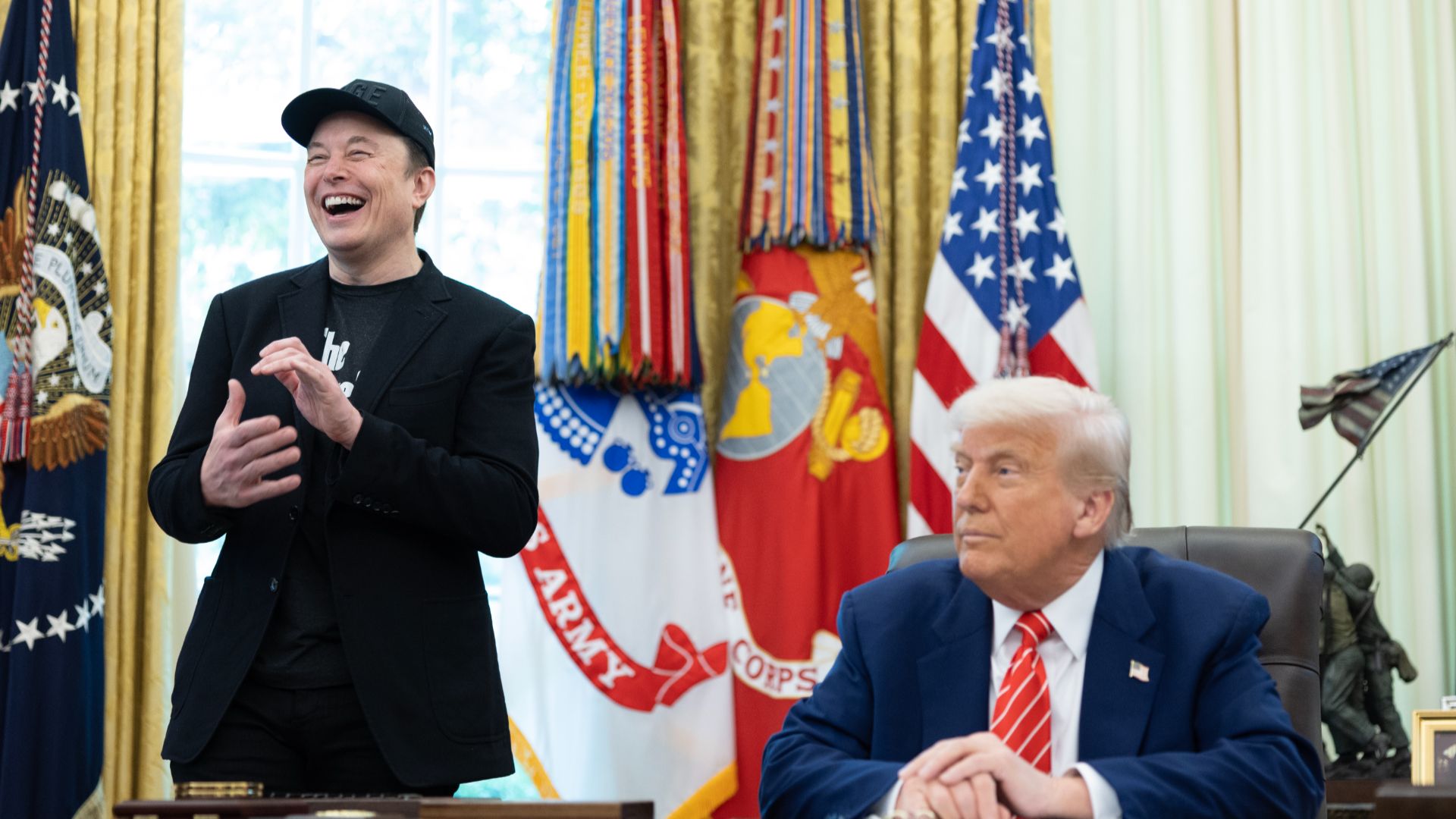
Colossus in Memphis: A Comprehensive Analysis of the Legal, Environmental, and Security Issues Related to the xAI Data Center


/https%3A%2F%2Fcdn-tor.buminteractif.com%2F2026%2F06%2F17192908%2Fmusk-ttrump-xai-getty-345345423423g.jpg)
Summary: The dispute over xAI's “Colossus” data center in Memphis pits civil rights and environmental advocacy groups against Elon Musk's company, and has taken on new significance since the Trump administration's Department of Justice intervened. At the heart of the conflict: the use of gas turbines to power a supercomputer, complaints about air pollution and nuisances, and the argument—put forward by the DOJ—that the site is of strategic importance to national security and U.S. technological competitiveness.
The facts: Organizations such as the NAACP and local NGOs filed a complaint in June alleging that xAI operates several gas generators without the permits required by the Clean Air Act. The plaintiffs are seeking substantial civil penalties calculated retroactively, a halt to the generators' operation until the required permits and best available control technologies (BAT) are implemented, and reimbursement of legal costs. The complaints include testimonies from local residents reporting chemical odors and impacts on daily life, as well as local measurements and observations regarding noise and vibrations.
The Department of Justice's Response: The DOJ has asked the court to dismiss the case, asserting that Colossus serves vital interests related to national security and technological capabilities. According to the federal brief, forcing the company to shut down its power generation could compromise operations supporting military planning and operational activities. The government also cites procedural grounds: the classification of the generators as mobile equipment by state authorities (Mississippi) would mean they are not subject to the same permitting requirements, and private legal actions should not allow federal reasoning to override a state decision.
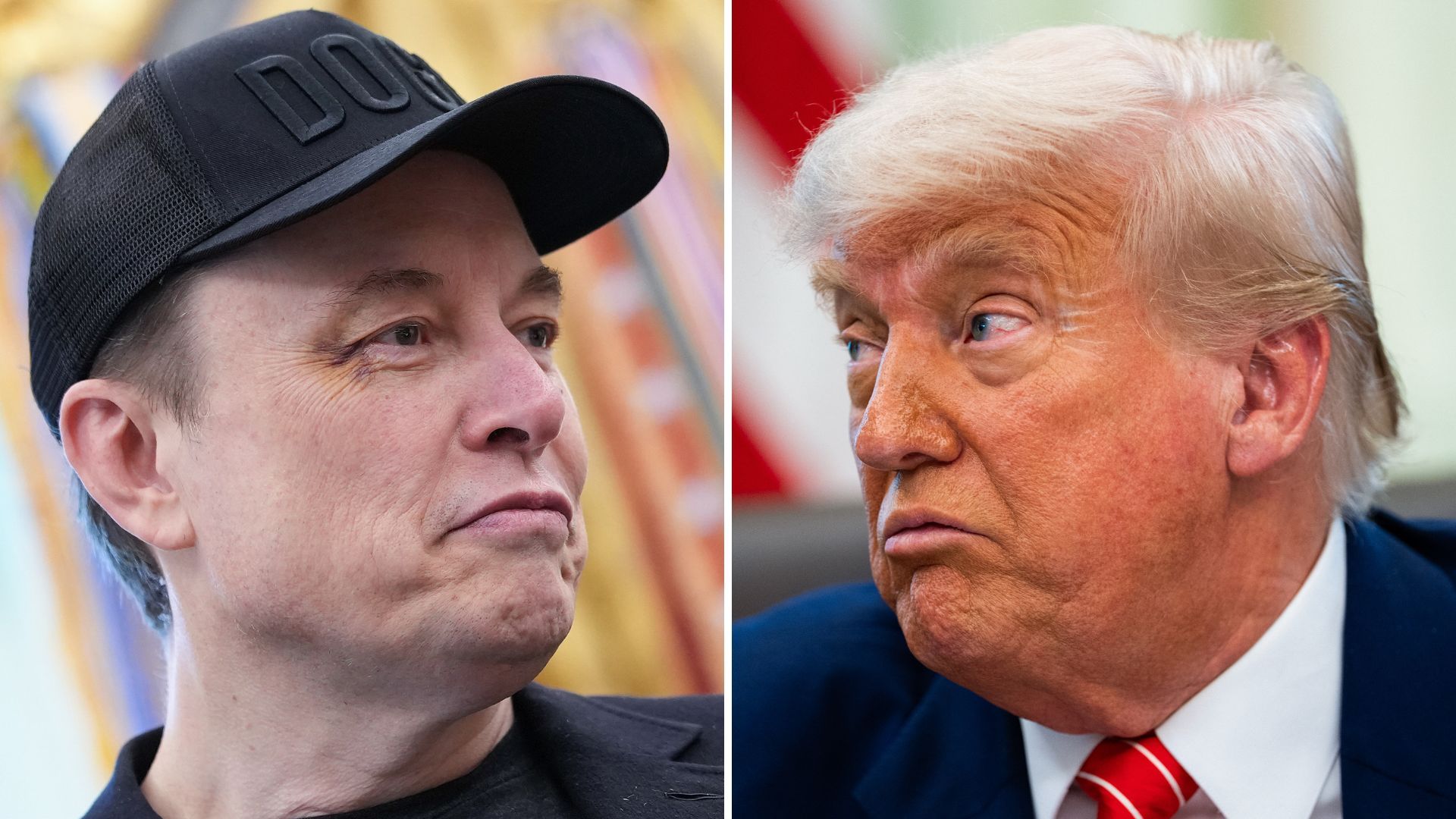
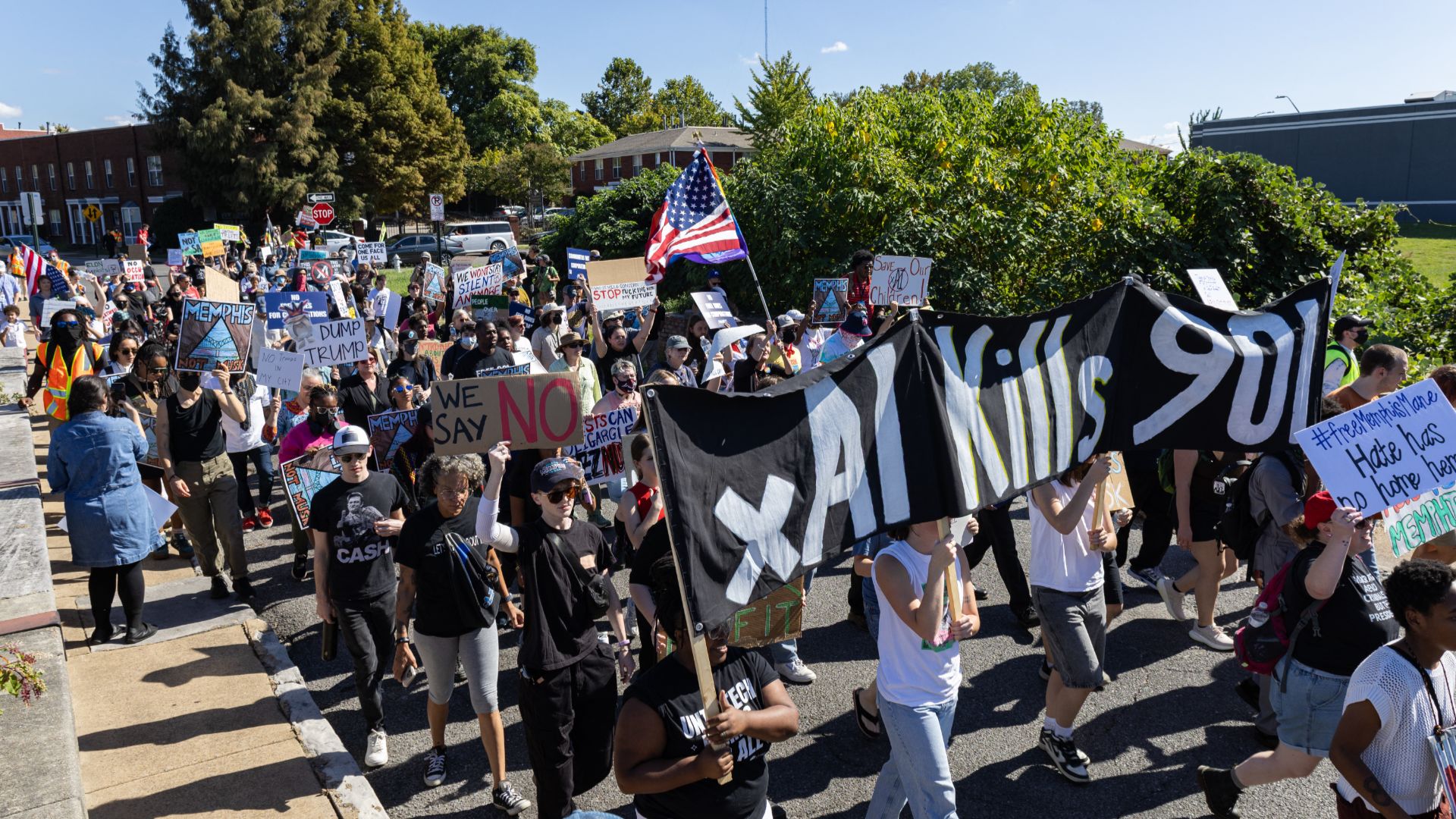
Environmental and social justice issues: Critics emphasize the facility's local impact. The site is located near predominantly Black and historically disadvantaged neighborhoods, and activists frame the issue as one of environmental justice: vulnerable populations would face increased health risks and a decline in quality of life. The reported nuisances—persistent odors, constant noise, and vibrations—reinforce the call for an independent assessment and strict corrective measures. In this context, requests for fines and injunctions are not merely punitive; they aim to force the company to comply with standards designed to protect the public.
Possible Legal and Regulatory Consequences: The outcome of the case could set important precedents. If the court sides with the DOJ, this would mean that national security arguments could take precedence over citizen lawsuits regarding environmental issues, limiting the practical scope of large-scale actions brought by local NGOs. Conversely, a ruling in favor of the plaintiffs would strengthen the power of private actions under the Clean Air Act and could compel technology center operators to strictly comply with permits and pollution control measures, even when projects are presented as strategic.
Residents' Perspectives and Public Perception: Testimonies from local residents—often highlighted by the press and NGOs—humanize the issue and carry weight in the public debate. They serve as a reminder that technological transition or the deployment of large-scale infrastructure must not come at the expense of local communities. For many, the equation is simple: innovation must go hand in hand with strict health and environmental standards and dialogue with the affected communities.
Key Takeaways
- The issue involves environmental, social, legal, and strategic dimensions;
- The DOJ cites national security and technological competitiveness to protect Colossus's operations;
- The plaintiffs are citing local evidence and the principle of environmental justice to demand enforcement of the standards;
- The outcome of the dispute could set a precedent regarding the balance between citizen legal actions and national security arguments.
In practice: Residents are primarily seeking quick solutions to reduce nuisances and exposure to pollutants; local and federal authorities will have to balance the protection of the public with strategic interests. In any case, this case illustrates the growing complexity of public decision-making in the era of AI and hyper-powerful infrastructure.