


/https%3A%2F%2Fcdn-tor.buminteractif.com%2F2026%2F07%2F02161519%2Fputin-zelensky-getty34534fvgdfgd435345dsgf.jpg)
More than two million military casualties have now been recorded since Russia launched its full-scale invasion of Ukraine in February 2022, according to a new study by the Center for Strategic and International Studies (CSIS), underscoring the staggering human cost of Europe's largest war since World War II. The Washington-based think tank estimates that Russian forces have suffered approximately 1.4 million battlefield casualties, including between 400,000 and 450,000 killed, while Ukraine has sustained between 525,000 and 625,000 casualties, including an estimated 125,000 to 150,000 fatalities. Although Moscow continues to occupy roughly one-fifth of Ukrainian territory, the report concludes that Russia's military position has steadily deteriorated during the first half of 2026 as its offensive momentum fades, losses continue to mount, and Ukraine increasingly succeeds in striking military and industrial targets deep inside Russian territory. The findings paint a picture of a conflict that is becoming more costly for both sides while making a decisive battlefield victory increasingly unlikely.
The CSIS assessment argues that Russia's battlefield strategy has reached a point of diminishing returns after more than four years of attritional warfare. According to the report, Russian monthly casualty rates now exceed the country's estimated monthly recruitment rate, raising growing concerns about Moscow's ability to sustain prolonged offensive operations. At the same time, the casualty ratio has shifted dramatically in Ukraine's favor during the first half of 2026, with Russian forces reportedly suffering nearly eight casualties for every Ukrainian casualty inflicted. Despite continuing assaults across eastern Ukraine, Russian advances around strategically important cities including Kostiantynivka, Pokrovsk and Sloviansk have slowed to between 50 and 90 meters per day, among the slowest rates of advance documented in modern warfare. CSIS concludes that corruption, ineffective battlefield tactics, repeated frontal assaults against fortified defensive positions and increasingly sophisticated Ukrainian defenses have significantly reduced Russia's ability to translate manpower into meaningful territorial gains.
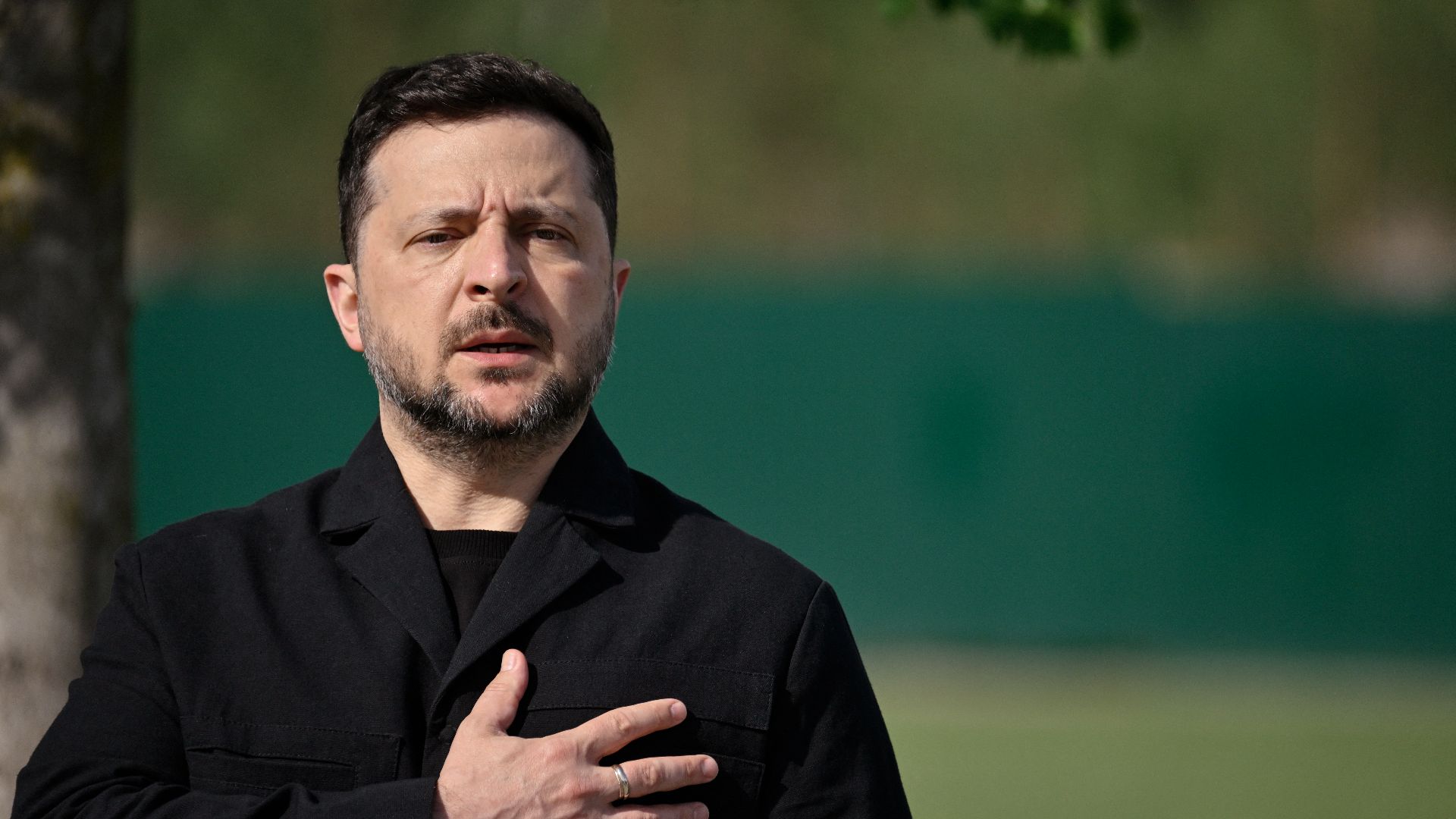
«Russia's head is completely refusing to end the war. And although through all possible official and unofficial channels… we have conveyed that the war can and must be ended, and that we in Ukraine are ready for meetings and meaningful negotiations, he sees only further aggression.»
-Ukrainian President, Volodymyr Zelensky
One of the report's most significant conclusions is that Russia has begun experiencing net territorial losses for the first time since August 2024. During April and May 2026, Ukrainian counteroffensives reportedly recaptured approximately 400 square kilometers of territory, reversing months of incremental Russian gains and demonstrating Kyiv's ability to exploit weaknesses along parts of the front. While these territorial changes remain relatively modest compared with the overall size of the battlefield, analysts argue they represent an important strategic shift because they indicate that Russian forces are increasingly struggling not only to seize new ground but also to defend positions already captured. According to CSIS, the war has increasingly favored the defender, making large-scale breakthroughs by either military far less likely than earlier in the conflict and reinforcing expectations that any eventual resolution will depend more on political negotiations than on decisive battlefield victories.
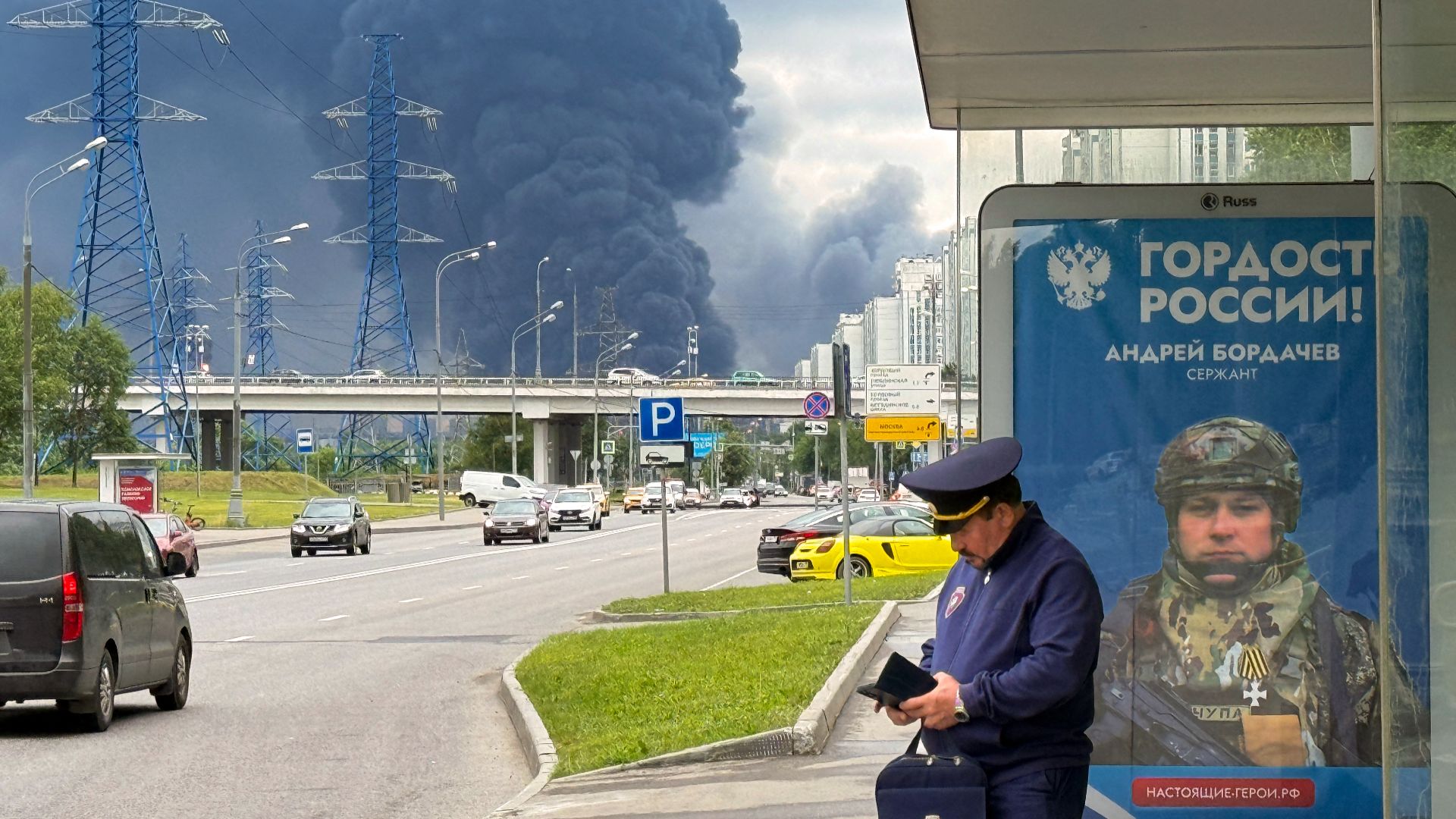
The report also highlights Ukraine's rapidly evolving use of advanced military technology as one of the primary reasons behind Russia's deteriorating position. Ukrainian forces have dramatically expanded the deployment of AI-enabled drones, autonomous targeting systems and long-range strike capabilities capable of reaching hundreds and even thousands of kilometers behind the front lines. Those attacks have repeatedly targeted Russian ammunition depots, military headquarters, logistics hubs, energy infrastructure, airfields and defense manufacturing facilities, forcing Moscow to divert valuable air-defense assets away from the battlefield. Ukrainian long-range drone operations have also reached Moscow, St. Petersburg and strategic bomber bases deep inside Russia, exposing vulnerabilities in Russia's air-defense network while disrupting supply chains supporting frontline operations. CSIS concludes that these increasingly sophisticated strikes have complicated Russian logistics and imposed growing economic and military costs beyond the battlefield itself.
«Russia must be placed in a situation where, apart from peace, it has no other option.»
-Ukrainian President, Volodymyr Zelensky
The report's findings come as Russia continues launching large-scale missile and drone attacks across Ukraine despite repeated international calls for negotiations. Reacting to one of the latest massive aerial bombardments, Ukrainian President Volodymyr Zelensky told CNBC that the Kremlin continues to reject diplomatic efforts despite the mounting casualties suffered by both countries. «Russia's head is completely refusing to end the war. And although through all possible official and unofficial channels… we have conveyed that the war can and must be ended, and that we in Ukraine are ready for meetings and meaningful negotiations, he sees only further aggression.» Zelensky argued that continued military and economic pressure remains essential to forcing Moscow toward diplomacy, adding, «Russia must be placed in a situation where, apart from peace, it has no other option.» His remarks reflect Kyiv's longstanding position that negotiations can only succeed if Russia faces increasing military and economic costs for continuing the war.
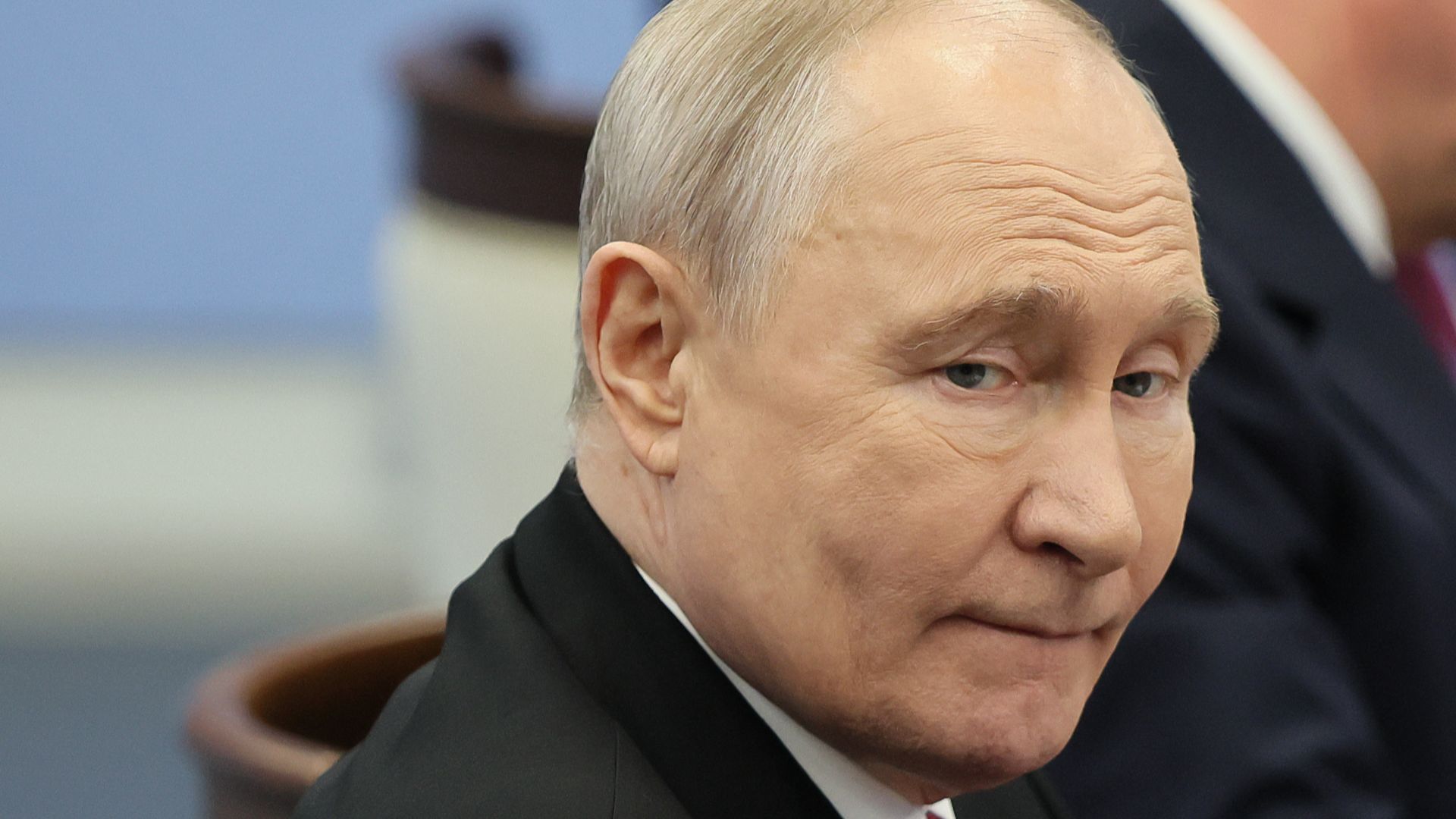
While Russia still possesses significant manpower, industrial capacity and the ability to conduct long-range strikes, the CSIS report suggests that the broader trajectory of the conflict has become considerably less favorable for Moscow than at any point since the invasion began. Analysts caution that neither side currently appears capable of achieving a decisive military victory in the near future, even as fighting remains intense across multiple sectors of the front. Instead, the combination of mounting casualties, slowing territorial changes, technological innovation and increasing economic pressure is gradually transforming the conflict into a prolonged war of endurance. According to the report, these dynamics substantially increase the likelihood that the war will ultimately conclude through a negotiated ceasefire or broader peace agreement rather than through outright military conquest, even if such negotiations remain politically and diplomatically difficult in the months ahead.
Created by humans, assisted by AI.
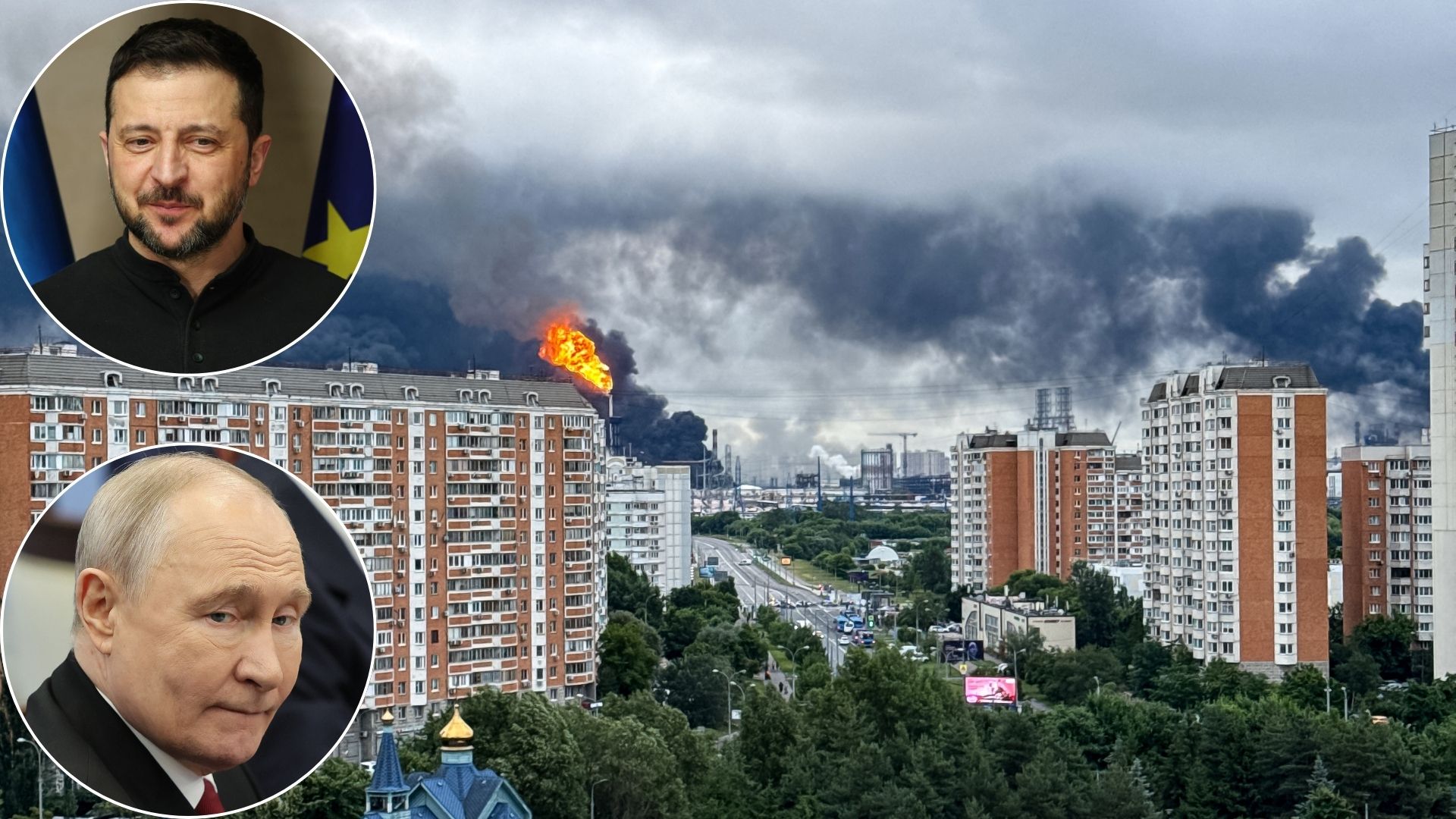 Ukraine strikes Russia, Zelensky warns: “Your Moscow will burn too”
 New sanctions against Russia following G7 summit