Cuba: Mexican humanitarian aid, threat of US tariffs, and consequences of the energy crisis


/https%3A%2F%2Fcdn-tor.buminteractif.com%2Fhttps%3A%2F%2Fcdn-tor.buminteractif.com%2Fhttps%3A%2F%2Fcdn-tor.buminteractif.com%2F2026%2F02%2F12203237%2Fcuba-mexique-us-getty34534dfg342.jpg)
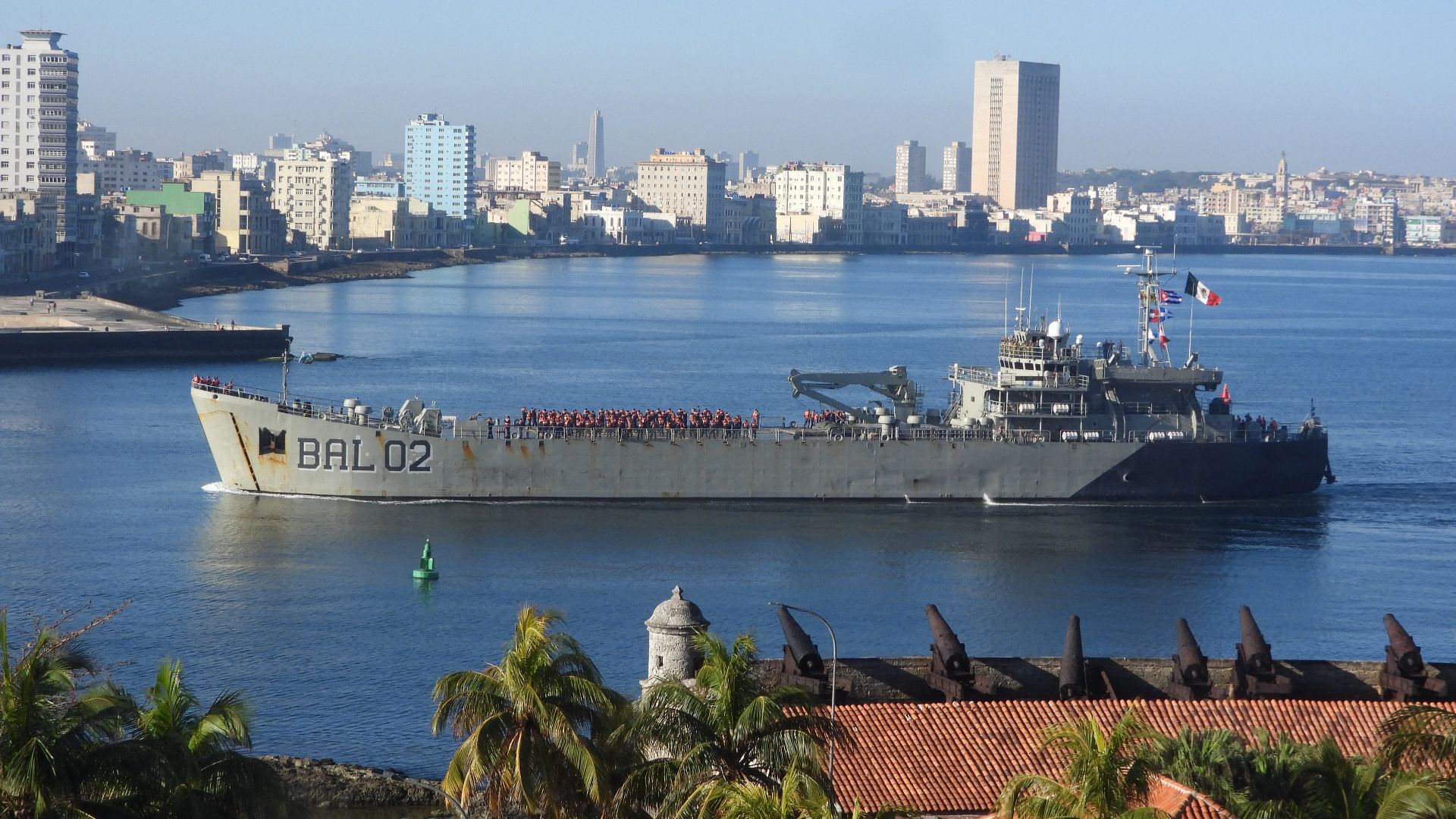
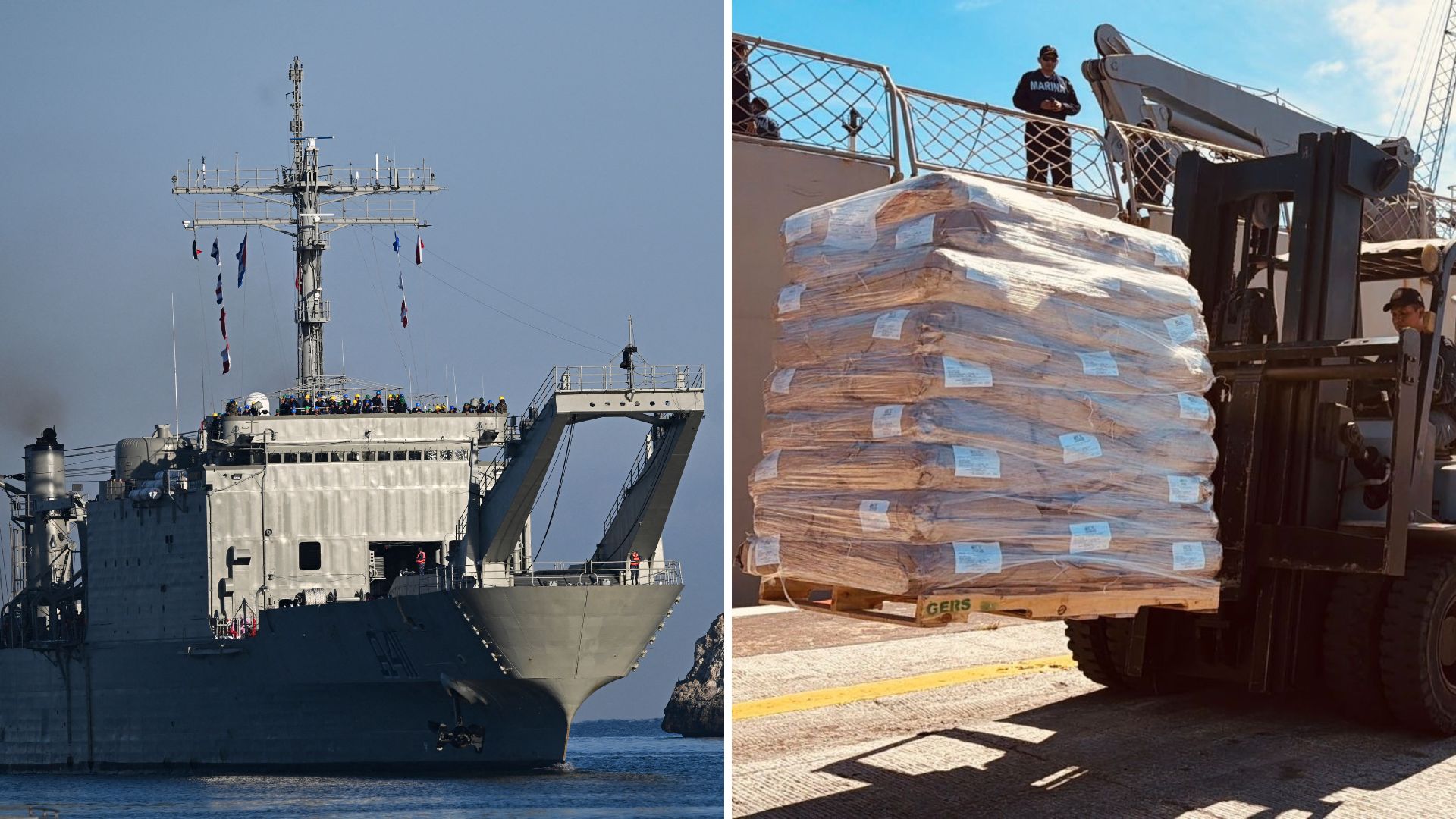
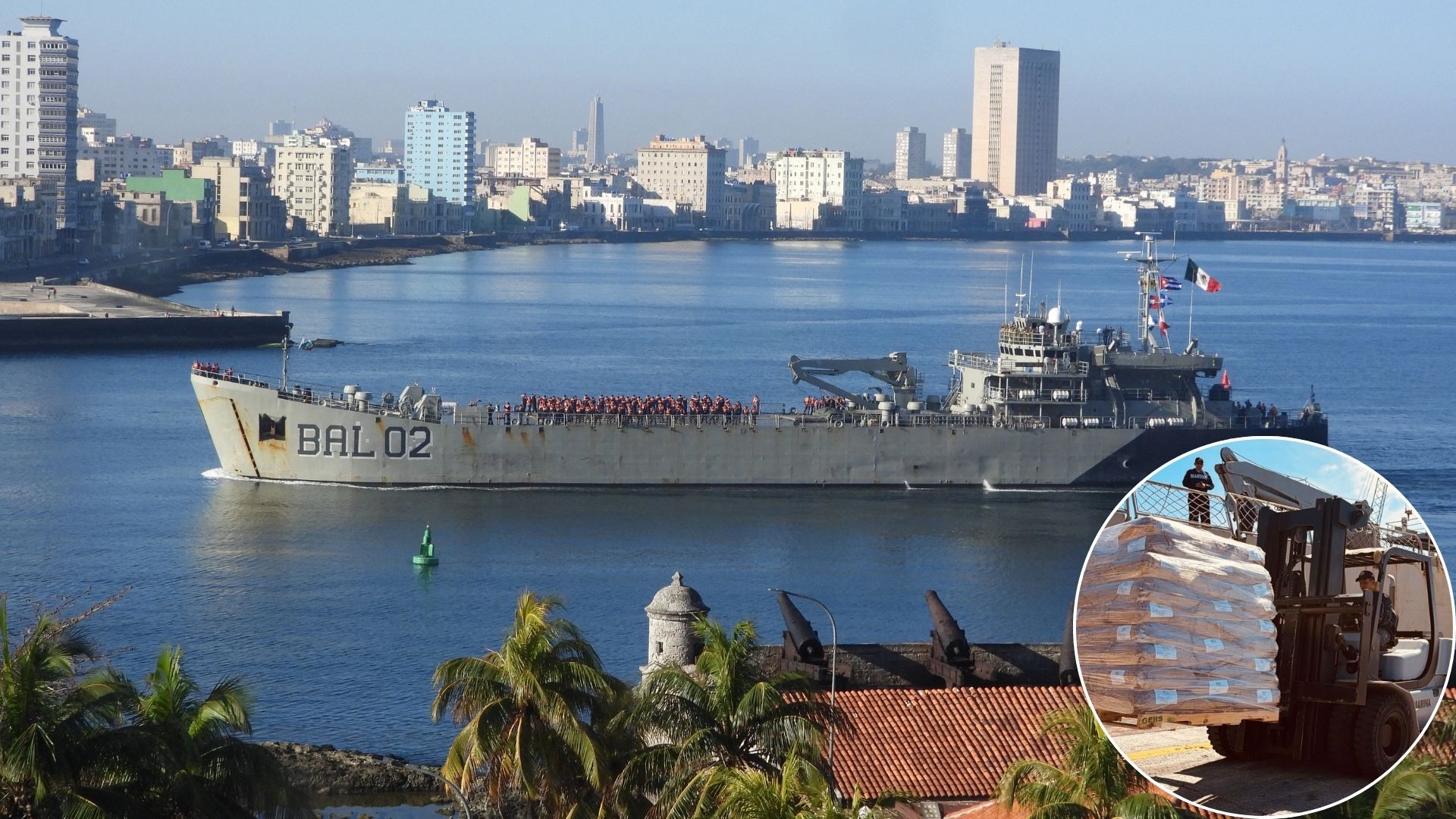
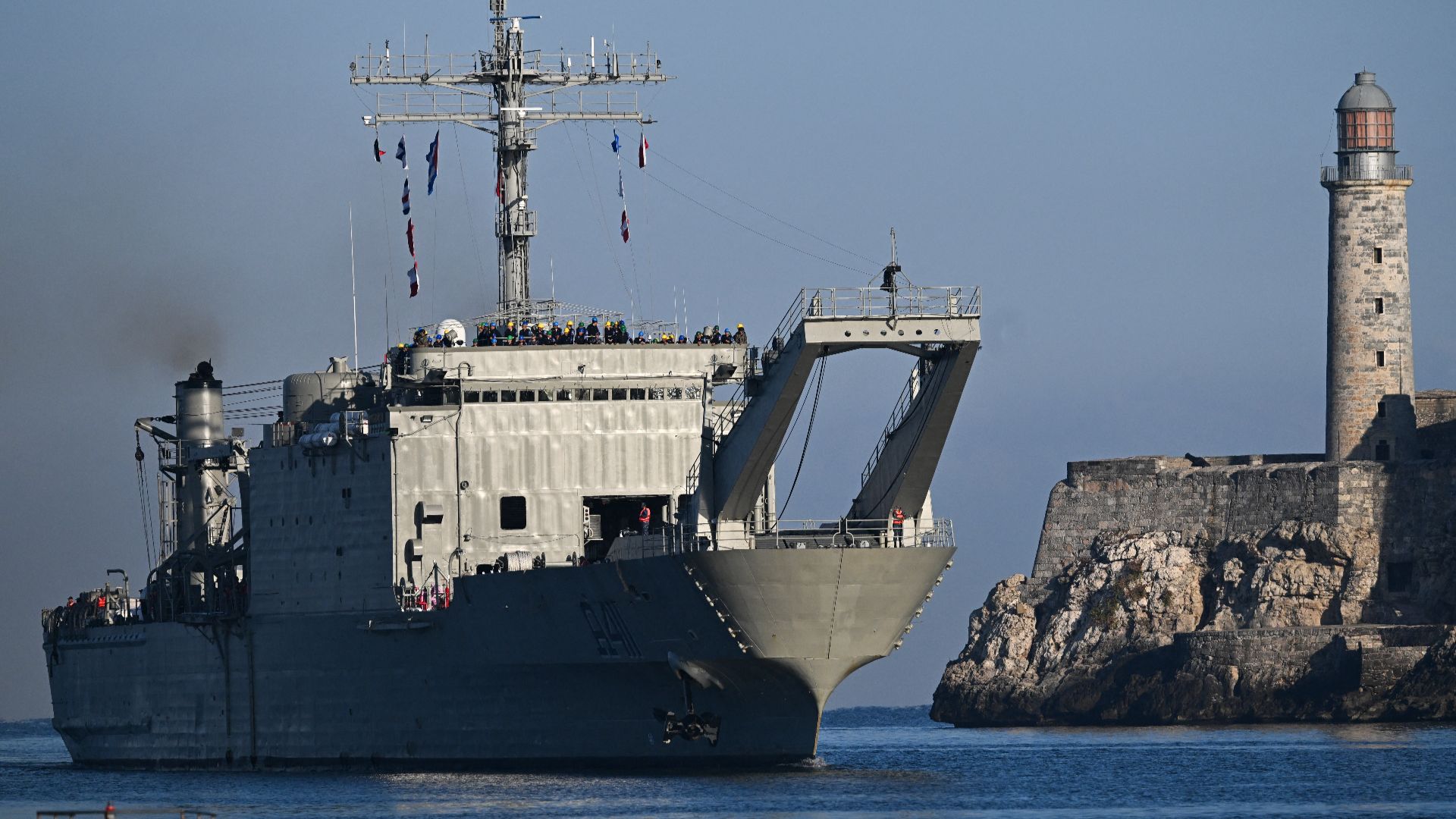
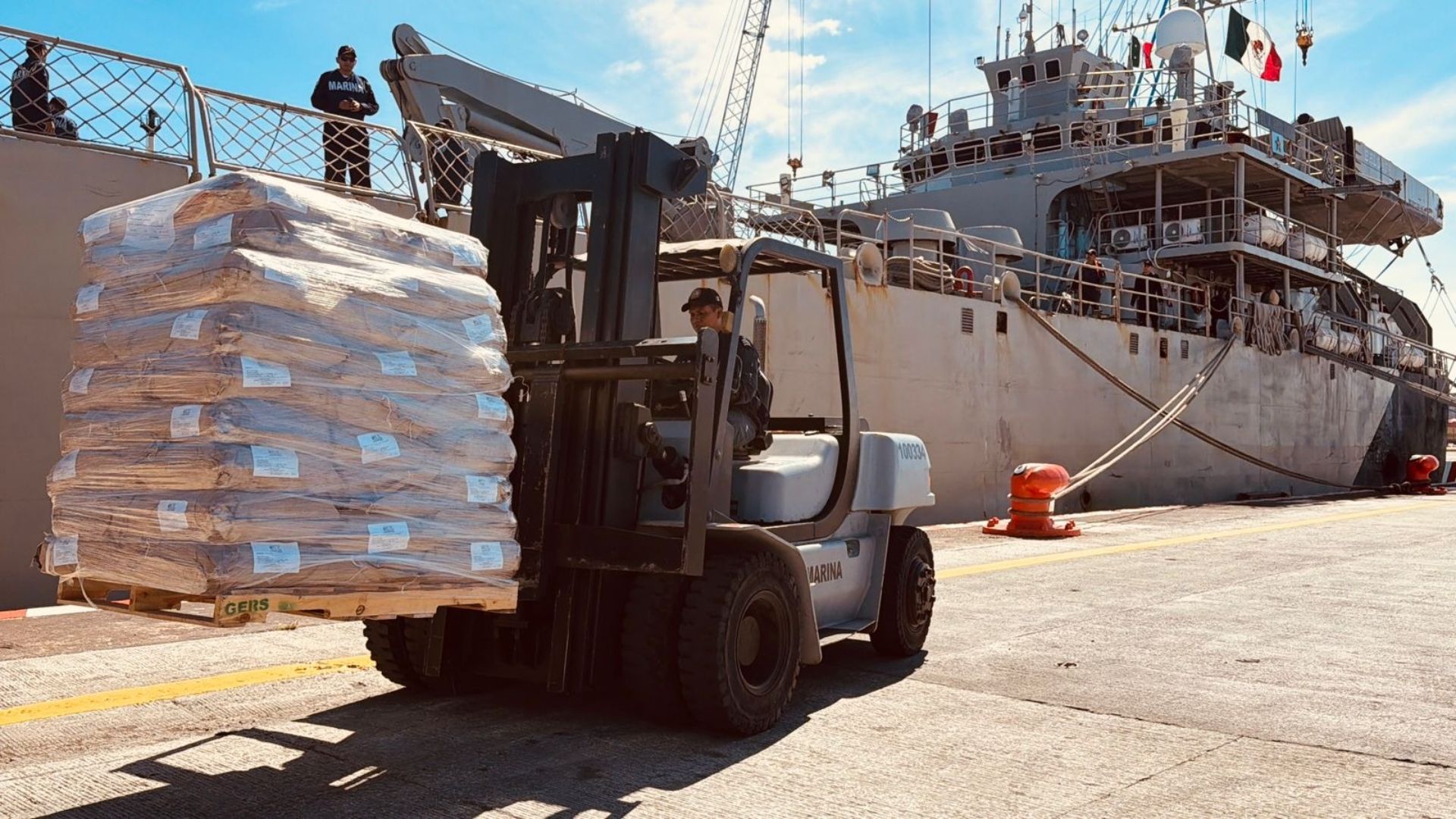
The situation in Cuba has become the focus of both humanitarian and geopolitical tension: on the one hand, Mexico has sent two navy ships carrying more than 800 tons of supplies to relieve populations facing severe power cuts and shortages; on the other, the US administration announced a tariff mechanism targeting countries that supply oil to the island, exacerbating uncertainty over fuel supplies.
What the Mexican aid contained: the delivery is both a humanitarian gesture and a political signal. According to the Mexican authorities, one of the ships carried 536 tons of food (milk, rice, beans, sardines, meat products, biscuits, canned tuna, vegetable oil) and hygiene items, while the second carried more than 277 tons of powdered milk. These shipments are primarily intended to meet immediate needs in the neighborhoods most affected by rationing.
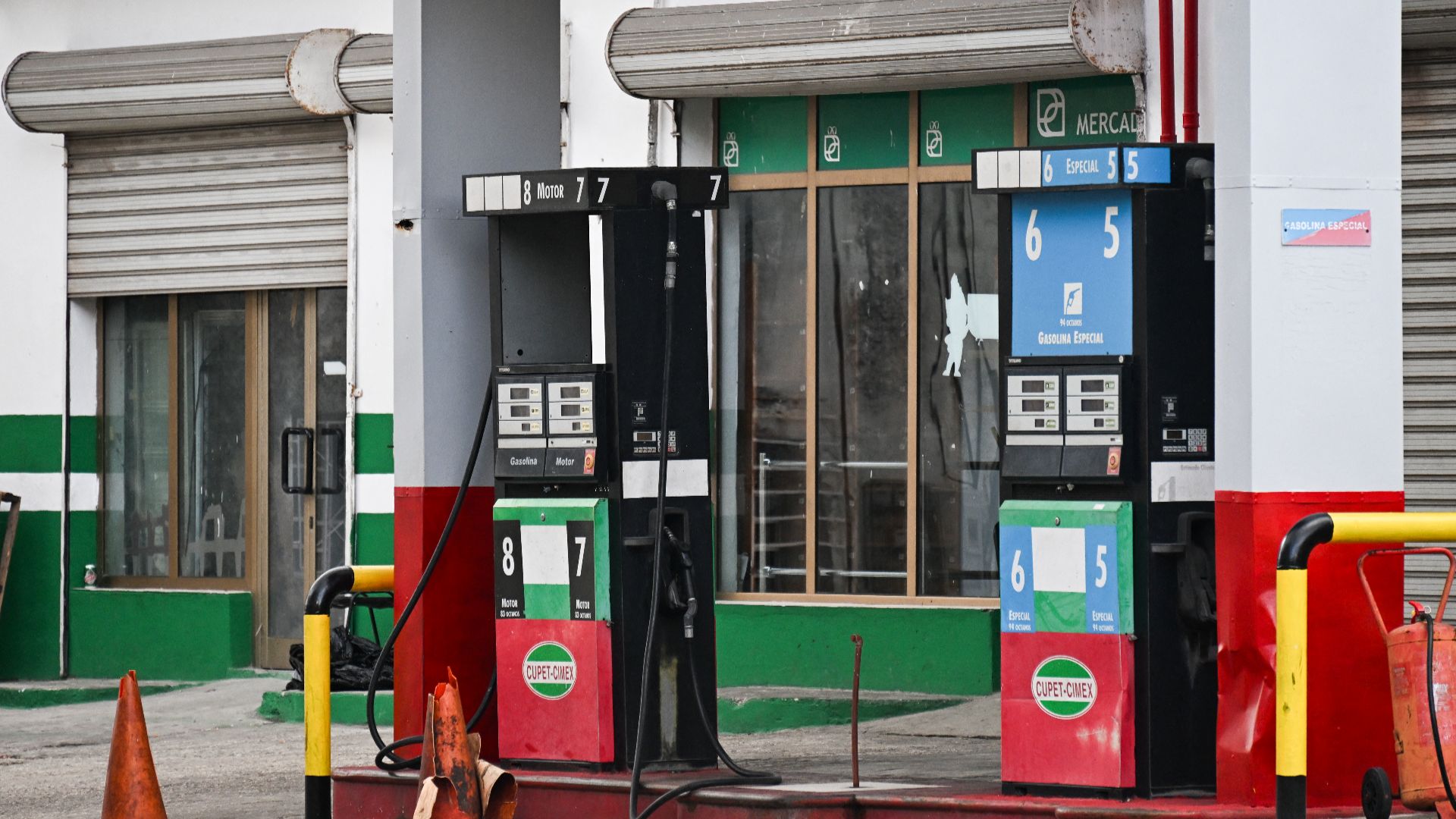
Immediate effects on daily life: the energy crisis has caused widespread power cuts, fuel rationing, and transport disruptions. Airlines have temporarily suspended flights or changed their stopovers, banks have reduced their opening hours, cultural events have been canceled, and gasoline sales have been limited. The Cuban government has even referred to an “energy blockade,” as the impact has affected key sectors such as hospitals, schools, and tourism.
US pressure: a change in strategy — by decree, the White House announced the possibility of imposing additional tariffs on countries that directly or indirectly supply oil to Cuba. This mechanism attempts to extend the reach of US measures beyond direct bilateral relations with Havana by targeting third-party suppliers and creating a form of secondary economic pressure. For international suppliers, this increases the commercial and political risk of exporting fuel to Cuba.

Consequences for energy partners: Several potential suppliers are now reluctant to continue or resume deliveries. Pemex, Mexico's state-owned oil company, had already halted crude oil shipments to Cuba in January; this decision, combined with the threat of trade sanctions, further weakens supply routes. The result is simple: less fuel means less available electricity and even more strain on essential services.
Human and economic impact: Cuban authorities estimate that the strengthened sanctions have cost the economy several billion dollars, exacerbating shortages of basic necessities and declining tourism revenues. Citizens are already suffering from inflation and rationing; uncertainty continues to impact access to healthcare, food production, and small businesses dependent on fuel.
Possible short- and medium-term scenarios:
- Continued US pressure, with recalcitrant international suppliers and prolonged rationing in Cuba.
- Strengthening of humanitarian corridors and ad hoc deliveries by states or organizations willing to take political risks, as Mexico has shown.
- Regional diplomatic negotiations aimed at obtaining exemptions or arrangements for the supply of fuel for civilian use (hospitals, public transport, agricultural use).
What can we learn from this? The Mexican shipment provides concrete but limited relief: it meets immediate needs for food and hygiene products, without resolving the structural fuel shortage that is paralyzing essential services. The US strategy, targeting third-party suppliers with tariffs, is a game changer and creates a dilemma for countries that want to help Cuba without exposing themselves economically.
Conclusion: The crisis in Cuba is now a mix of humanitarian emergency and geopolitics. Sustainable solutions will depend as much on the ability to find secure energy supply routes as on the establishment of international mechanisms to guarantee humanitarian aid without political exploitation. In the meantime, regional aid, independent humanitarian organizations, and increased attention to the needs of the population remain essential.