
FOX Acquires Roku: A Comprehensive Analysis of the $22 Billion Deal, Financing, Implications, and Market Impact


/https%3A%2F%2Fcdn-tor.buminteractif.com%2F2026%2F06%2F15152958%2Froku-fox32345234-3453453453.jpg)
Fox Corporation's proposed acquisition of Roku for approximately $22 billion is a deal with far-reaching implications for the media and streaming ecosystem. At the heart of the deal, Roku is valued at $160 per share, through an offer combining cash and Fox stock. This transaction aims to unite a major producer of live content—including sports events and news—with a technology platform present in more than 100 million households, in order to create a powerful player capable of competing more effectively with the streaming and tech giants.
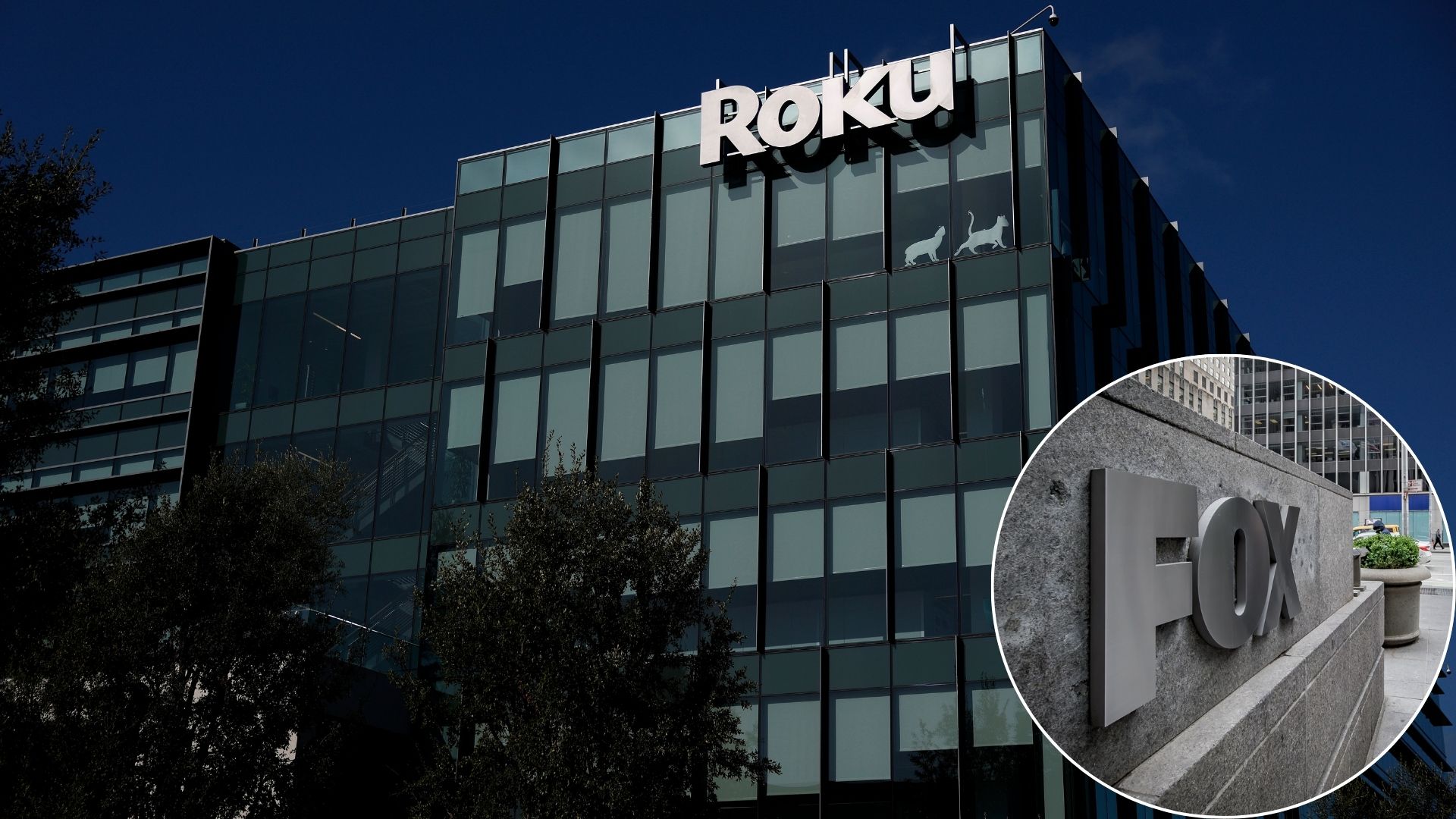 The deal reflects a strategic logic that has become evident in recent years: simultaneous control over both content and its distribution provides a commercial and operational advantage. For Fox, the acquisition of Roku accelerates the transition away from reliance on traditional cable television revenue. By integrating an operating system, an advertising inventory, and a large user base, Fox will be able to offer more targeted advertising, better measure audiences, and enhance the advertising experience.
Financial Structure and Shareholder Treatment: Roku shareholders will receive $96 in cash and 0.9693 shares of Fox common stock for each share of Roku stock held. This arrangement provides them with immediate liquidity and exposure to the future growth of the combined company. The premium offered reflects Fox's confidence in the strategic value of Roku's advertising and audience platform. For Fox, the cash component will be financed through a combination of available cash and a bridge loan of approximately $12 billion arranged by Morgan Stanley, with the goal of finalizing a long-term debt structure before or after closing.
 From an ownership perspective, the transaction would result in an approximate 73% to 27% split between Fox shareholders and Roku shareholders in the combined company. This split reflects Fox's desire to retain majority control while rewarding Roku shareholders with a significant stake in future success.
Strategic Aspects and Synergies: The merger of Fox and Roku creates several avenues for synergy: improved monetization of live content (particularly sports), the development of more targeted advertising offerings through audience insights, and optimized distribution via The Roku Channel and Tubi. By combining Fox's rich content library with Roku's distribution capabilities and advertising technology, the merged entity can offer integrated experiences—including personalized recommendations, integration of live services, and cross-promotion of premium content.
 However, the success of these synergies will depend largely on operational integration: aligning product teams, harmonizing commercial policies, and maintaining the trust of content partners. Anthony Wood, Roku's founder and CEO, will remain involved and join Fox's board of directors, which should facilitate the transition and reduce the risk of erosion in culture and innovation.
Regulatory Risks and Neutrality Issues: The deal naturally raises competition concerns. One of the main issues is platform neutrality: competing services (Netflix, Disney+, Prime Video, Max, etc.) use Roku to reach their audiences. Antitrust authorities will assess whether the combined company could give preferential treatment to Fox content via the home screen, recommendation systems, or dedicated sections such as the “Sports Zone.” Fox has sought to reassure stakeholders by publicly committing to maintaining Roku as an open platform, but it is likely that regulators will impose formal safeguards—such as contractual clauses, transparency requirements, or measures to ensure functional separation between content production and distribution.
The regulatory review process is expected to be lengthy and thorough: national and possibly international authorities will examine the impact on digital advertising competition, third-party access, and the ability to maintain an open ecosystem. These investigations may delay the closing of the deal and, in certain scenarios, require structural or behavioral remedies.
Implications for consumers and advertisers: For viewers, this merger could improve content discovery and offer more targeted advertising experiences. For advertisers, access to combined ad inventory and enriched audience data presents an opportunity for more effective campaigns. However, any perception of unfairness in the promotion of certain services could spark negative reactions and prompt partners to seek alternatives.
Conclusion: If the transaction goes through, it will reshape the media and streaming landscape by creating a player that controls both premium content and a massive distribution platform. The promises regarding innovation and monetization are significant, but success will depend on execution, partner management, and regulatory decisions. The timeline calls for a closing in 2027, but the coming months will be critical in determining whether this deal—described as a “defining moment” by Fox's leadership—will actually result in the announced transformation of the industry.
