


/https%3A%2F%2Fcdn-tor.buminteractif.com%2F2026%2F05%2F08201253%2FGettyImages-2238288552-1-1.jpg)
- Tense congressional hearing for Pete Hegseth.
- Debate on human and financial costs.
- Questions about goals and results.
- Heated exchanges with several elected officials.
- Possible next steps: investigations or changes.
Pete Hegseth's recent congressional hearing was more than just a political showdown: it highlighted fundamental questions about the conduct of the war, its cost to citizens, and the nation's institutional readiness. In an already polarized climate, the exchange occasionally got heated, and Hegseth showed that he could lose his cool under the pressure of questions, particularly those posed by Congresswoman Maggie Goodlander and Representative Adam Smith.
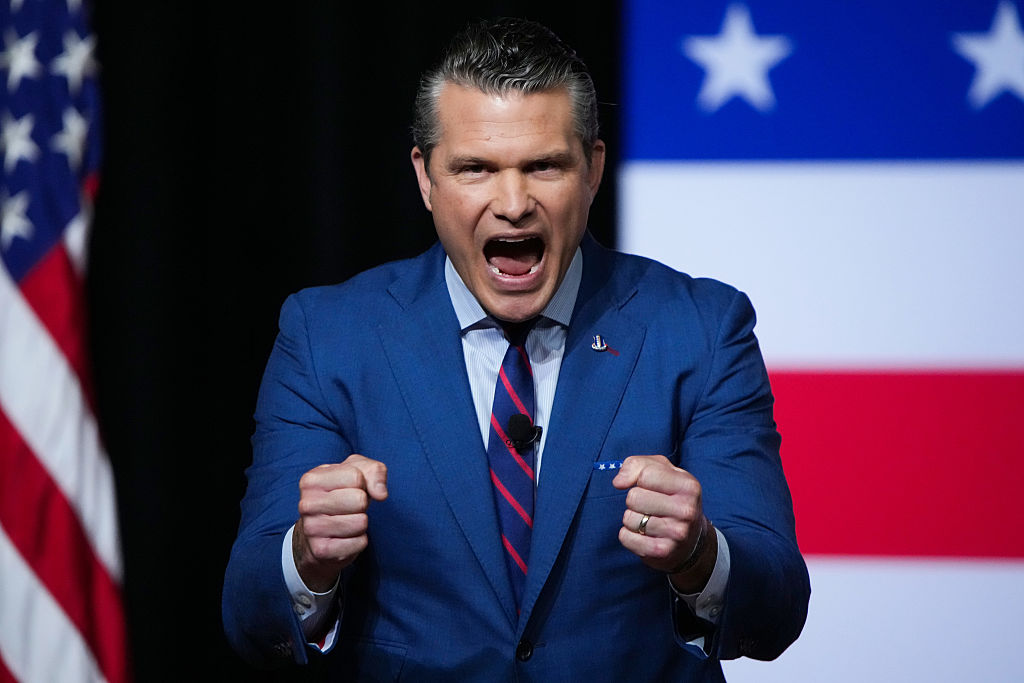
At the heart of the criticism were the human and financial consequences of the U.S. offensive launched in late February. The figures cited are staggering: more than 6,000 casualties since the first strikes, the majority in Iran and Lebanon, and a fiscal impact already estimated at over $25 billion for taxpayers. These figures fuel a crucial debate: was the war authorized, and above all, what specific objectives was it pursuing?
The question of legitimacy and objectives ran through the hearing. Hegseth and his supporters argued that the action was necessary to counter an imminent nuclear threat and to “deter” Iran's ambitions. On the other side, Democrats questioned the strategy's effectiveness: after sixty days of operations, Iran reportedly still possesses missile capabilities, and, according to some lawmakers, the nuclear threat has not been eliminated.
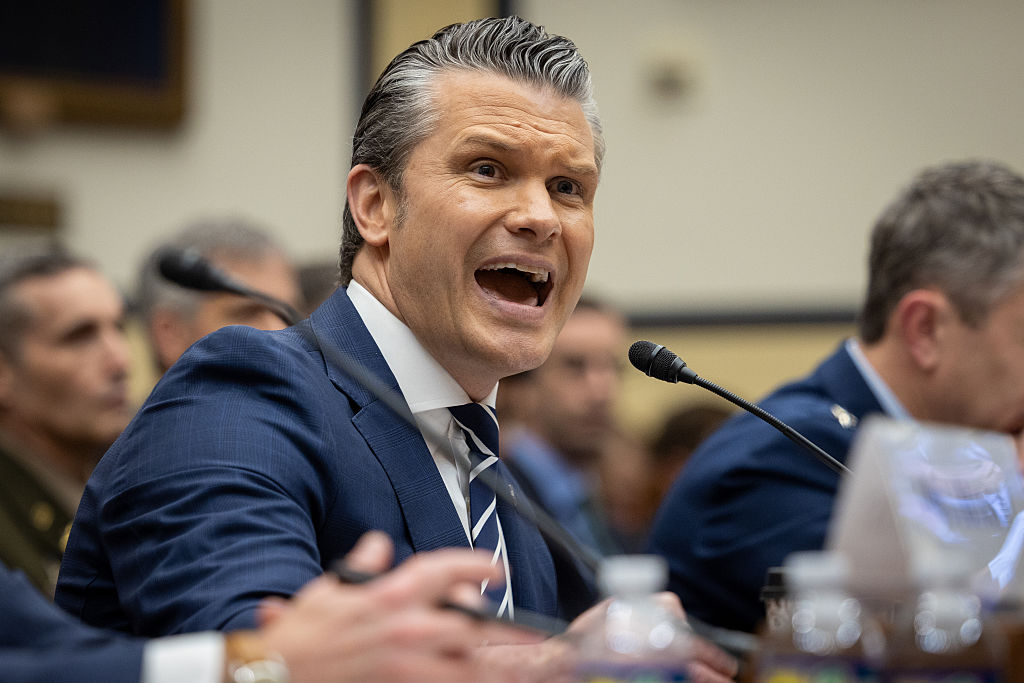
Beyond the broad principles, specific details marked the hearing and deepened the controversy. One of the most dramatic accounts recounts the attack that struck an elementary school on the first day of the conflict, claiming countless victims among the children and teaching staff. Evidence presented during the hearing implicated a U.S. Tomahawk missile in the bombing, which sparked considerable emotion and raised further questions about accountability and the chain of command.

On the budget front, the administration proposed a massive increase in military spending for 2027, with projections pushing the military budget to unprecedented levels. This financial ambition ran up against practical questions: who pays, under what conditions, and what is the return on investment for national security? The discussions revealed a gap between ideological analyses and the quantitative assessment of the economic consequences for American households.
Direct challenges and lively exchanges:
Rep. Maggie Goodlander challenged Hegseth on concrete issues, such as gas prices on specific dates, to test his economic team's ability to measure the real impact of the war on citizens' daily lives. Hegseth responded with sarcastic remarks, notably by bringing up California, which only highlighted his lack of preparation and fueled the narrative that he is both impulsive and ill-informed.

The committee's Democratic chairman, Adam Smith, highlighted the inconsistency of certain statements: if the war was intended to neutralize an imminent nuclear threat, how could one explain that the adversary state still retained significant ballistic capabilities after several weeks of strikes? These questions reinforced the idea that the stated objective and the actual results diverged.
Another crucial point raised: the internal reforms carried out since Hegseth's appointment. He has dismissed or replaced a dozen senior military officials, triggering a major restructuring at the top of the armed forces. Hegseth defends these decisions as necessary to instill a “warrior culture,” while his critics see them as weakening institutional capabilities and posing a risk to the continuity of command.

Ultimately, this hearing served to highlight several tensions: those between stated objectives and actual results, between military strategy and human cost, and between impulsive leadership and the demands of steady institutional management. The lawmakers' friendly yet firm tone sought to elicit precise answers; Hegseth, for his part, at times let his impatience show, which did little to clarify the gray areas.
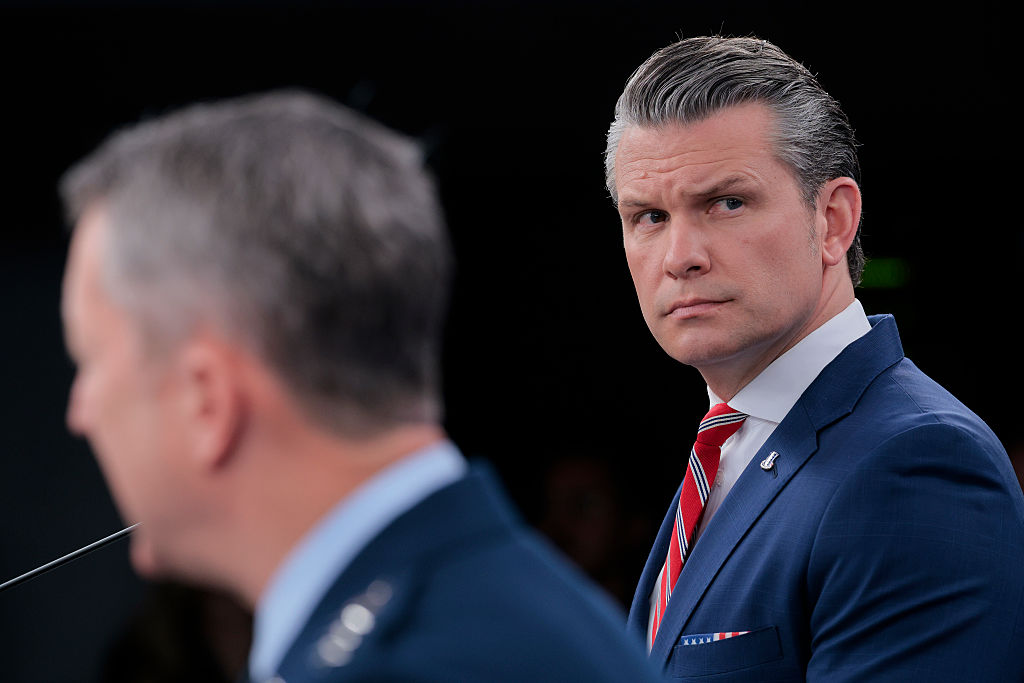
For citizens following these debates, the issue is simple: having reliable and transparent information to judge whether continuing this policy is justified. Hearings like this one are therefore essential, not only to assign responsibility but also to demand clear answers from those accountable for the strategy regarding objectives, costs, and the protection of civilian lives.
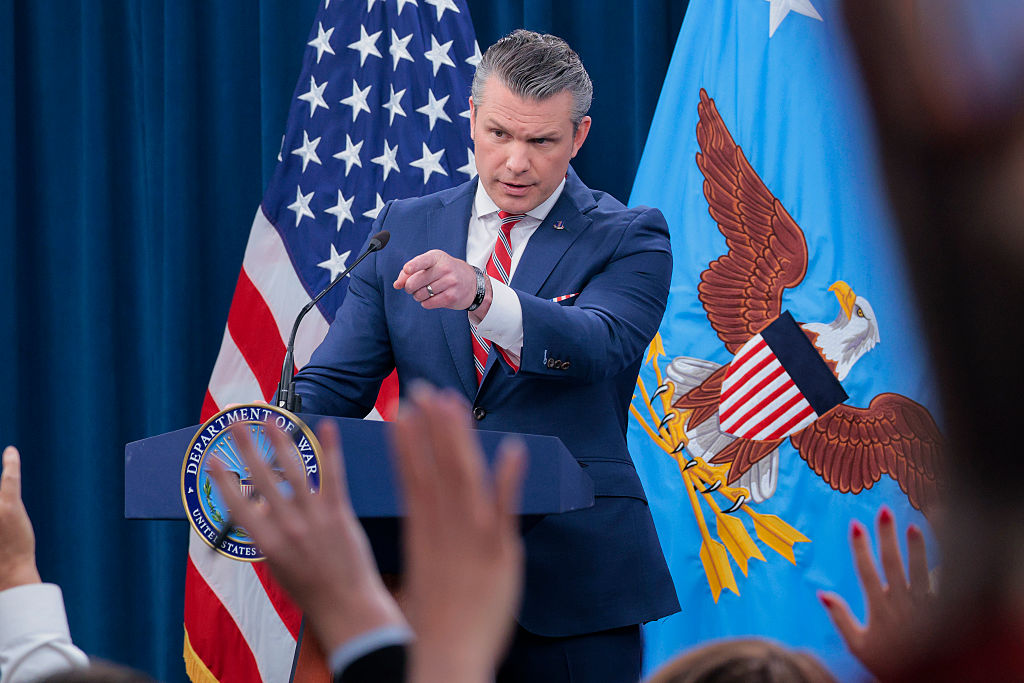
It remains to be seen whether Congress will draw tangible conclusions from this exchange: further hearings, more in-depth investigations, or budget changes could follow. In the meantime, the hearing provided a clear snapshot of an administration facing pressing questions, and of a Secretary of War whose ability to respond calmly to criticism has been put to the test.
