
Hegseth Says U.S. Troops Will Be Tested for Testosterone Levels «To Operate at Your Absolute Best»


/https%3A%2F%2Fcdn-tor.buminteractif.com%2F2026%2F07%2F16184744%2Fhegseth-getrrt-x-trtfgishdfwefbsdf4353gdsfgzsdfg.jpg)
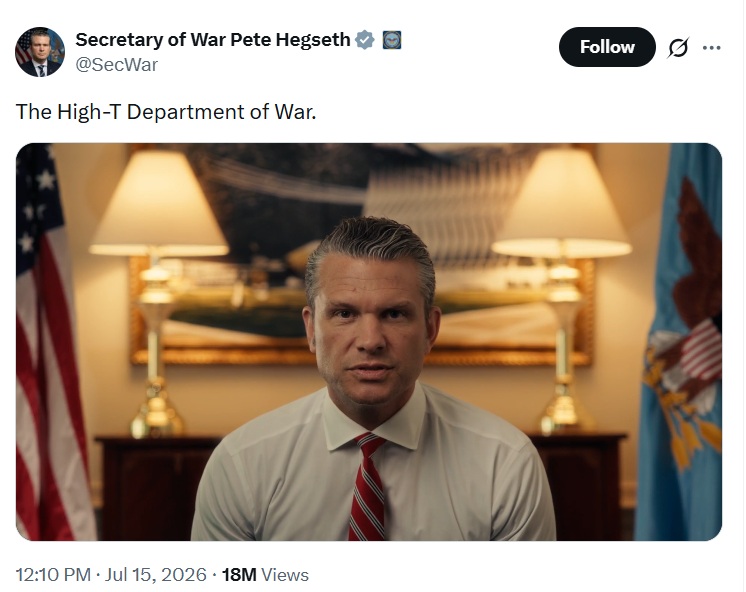
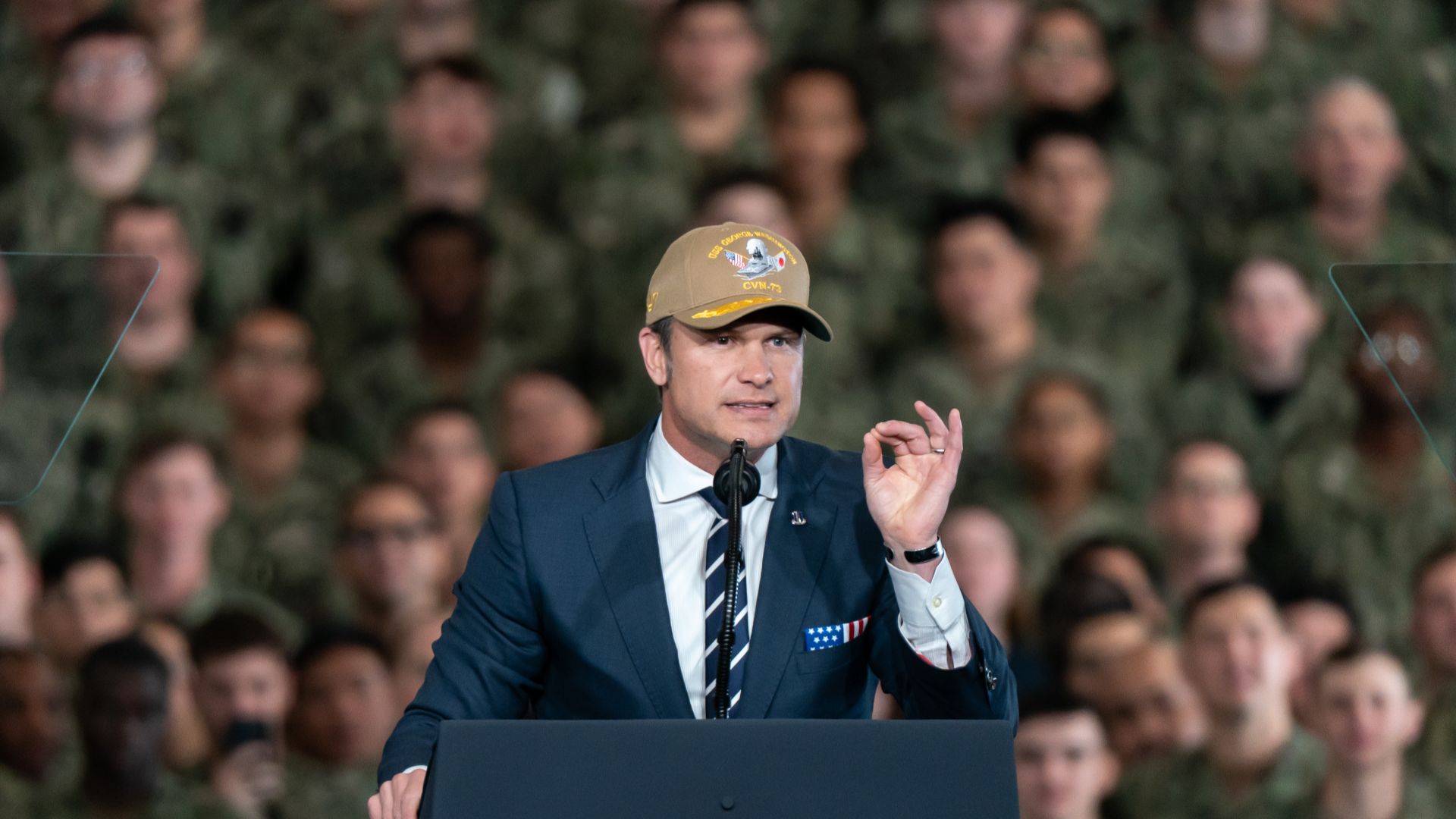
Defense Secretary Pete Hegseth announced a new Pentagon initiative that will introduce annual testosterone deficiency screenings for active-duty male service members as part of their routine health assessments, describing the program as another step in his effort to strengthen the military's combat readiness. In a video posted on X, Hegseth said all male troops aged 30 and older will automatically be screened each year, while those under 30 will have the option to participate voluntarily. Announcing the initiative, he stated: «I'm authorizing a new screening program for testosterone deficiency for our service members,» adding that the objective is «ensuring you have the right testosterone levels to operate at your absolute best.» According to the Pentagon, treatment will remain voluntary for those found to have clinically low testosterone levels.
Explaining the rationale behind the policy, Hegseth argued that modern military operations demand peak physical and mental performance from every service member. He said: «The modern battlefield is brutal and unrelenting,» before adding that it «requires and demands maximum psychological and mental readiness.» Hegseth maintained that identifying hormone deficiencies before they affect performance is another way of improving military effectiveness rather than enhancing soldiers beyond normal physiological limits. Continuing his remarks, he stated: «by addressing these health markers early, we're keeping you on the leading edge of lethality, and giving you the same level of support that you give this nation – the absolute best.» The announcement is part of what Hegseth has repeatedly described as a broader effort to rebuild a “warrior ethos” throughout the armed forces.
«The modern battlefield is brutal and unrelenting, it requires and demands maximum psychological and mental readiness.»
-U.S. Defense Secretary, Pete Hegseth
The testosterone screening initiative represents the latest in a series of policies introduced under Hegseth's leadership aimed at reshaping military culture around combat effectiveness, physical standards and traditional military discipline. During his tenure, the Defense Department has tightened grooming standards by restricting beards and long hair, expanded daily physical training expectations and revised fitness requirements for combat occupations by applying the highest male performance standards regardless of gender. Hegseth has also overseen the elimination of Diversity, Equity and Inclusion programs across the Department of Defense, ordered the removal of transgender service members from the military and dissolved advisory panels focused on women serving in the armed forces, arguing that the Pentagon's primary mission should remain combat readiness and battlefield lethality rather than broader social initiatives.
The testosterone screening initiative also aligns with a broader emphasis within the Trump administration on male hormone health and physical performance. Health Secretary Robert F. Kennedy Jr. has publicly discussed incorporating testosterone replacement therapy into his own wellness routine and has promoted broader access to hormone treatments as part of a healthy aging strategy. Kennedy has also argued that testosterone levels among American men have declined dramatically over recent decades, including claiming that modern teenagers possess roughly half the testosterone levels of a typical 65-year-old man. Those assertions have been challenged by physicians and researchers, who say the available scientific evidence does not support such sweeping conclusions and caution against drawing broad public-health conclusions from incomplete data.
While the Pentagon describes the program as a medical screening initiative rather than a performance-enhancement effort, medical experts say testosterone deficiency is a complex condition that cannot be diagnosed through a single blood test alone. Current clinical guidelines generally recommend treatment only when patients exhibit both persistent symptoms and repeatedly confirmed low hormone levels. Specialists also note that testosterone replacement therapy can produce meaningful benefits for men with medically confirmed deficiencies but may also carry potential risks requiring ongoing monitoring. Hegseth stressed that any treatment offered under the new program will remain voluntary and is intended to restore normal physiological function rather than artificially enhance military performance.
«I'm authorizing a new screening program for testosterone deficiency for our service members.»
-U.S. Defense Secretary, Pete Hegseth
The announcement has generated sharply divided reactions in Washington and throughout the military community. Supporters argue that proactively identifying hormone deficiencies could improve long-term health, resilience and operational readiness for service members exposed to chronic stress, sleep deprivation and demanding physical conditions. Critics, however, question why the initiative focuses exclusively on male hormone health while offering no comparable screening program for women, and some lawmakers have characterized the policy as another example of Hegseth's broader effort to reshape the armed forces around what he has called a renewed “warrior ethos.” Whether the program ultimately becomes a lasting part of military medicine or evolves further under the Trump administration, it represents one of the most unusual health initiatives introduced by the Department of Defense in recent years and is likely to remain the subject of intense medical and political debate.
Created by humans, assisted by AI.
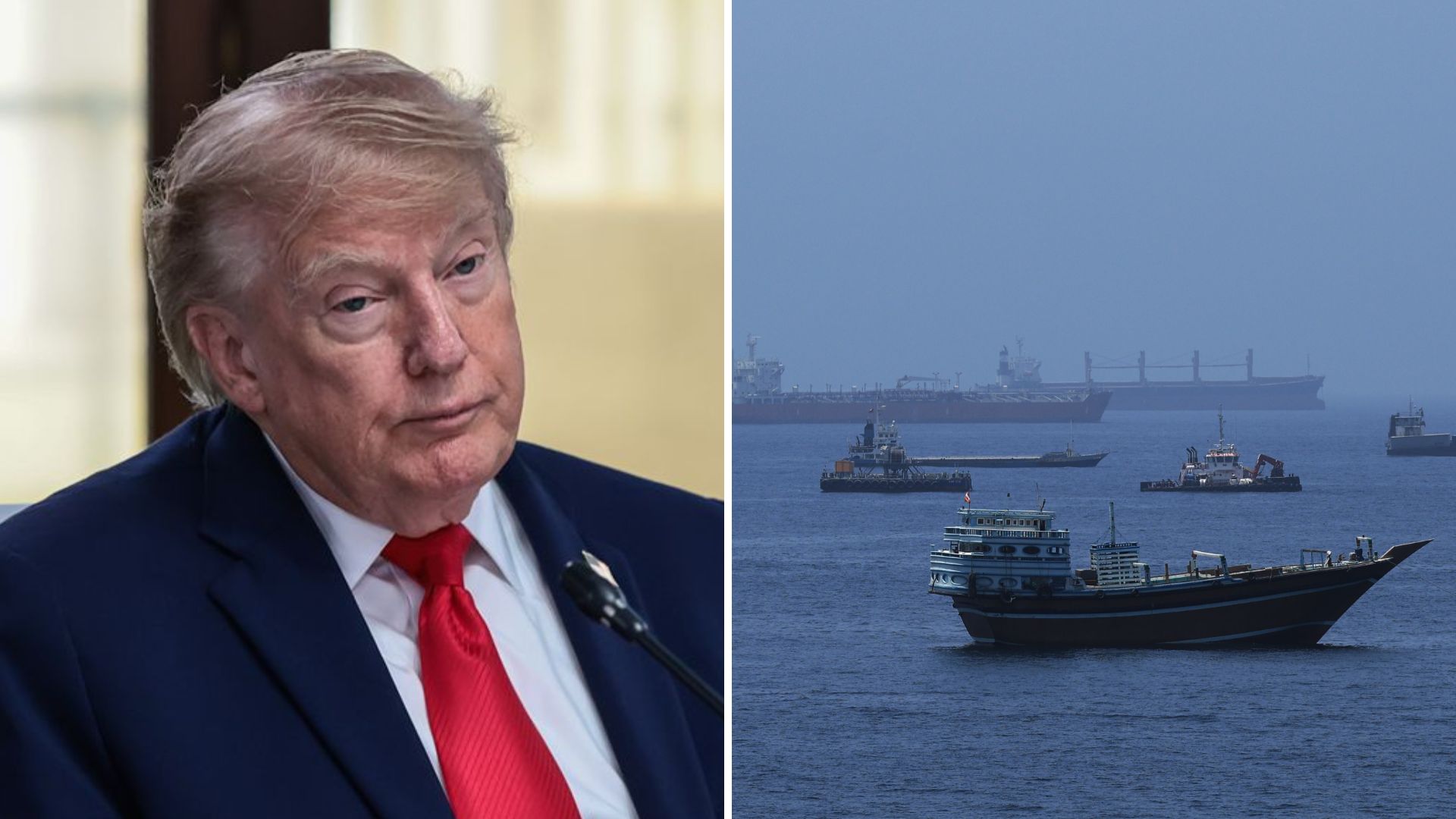 Trump's second Hormuz crisis worries experts with 1 billion barrels already lost to Iran war
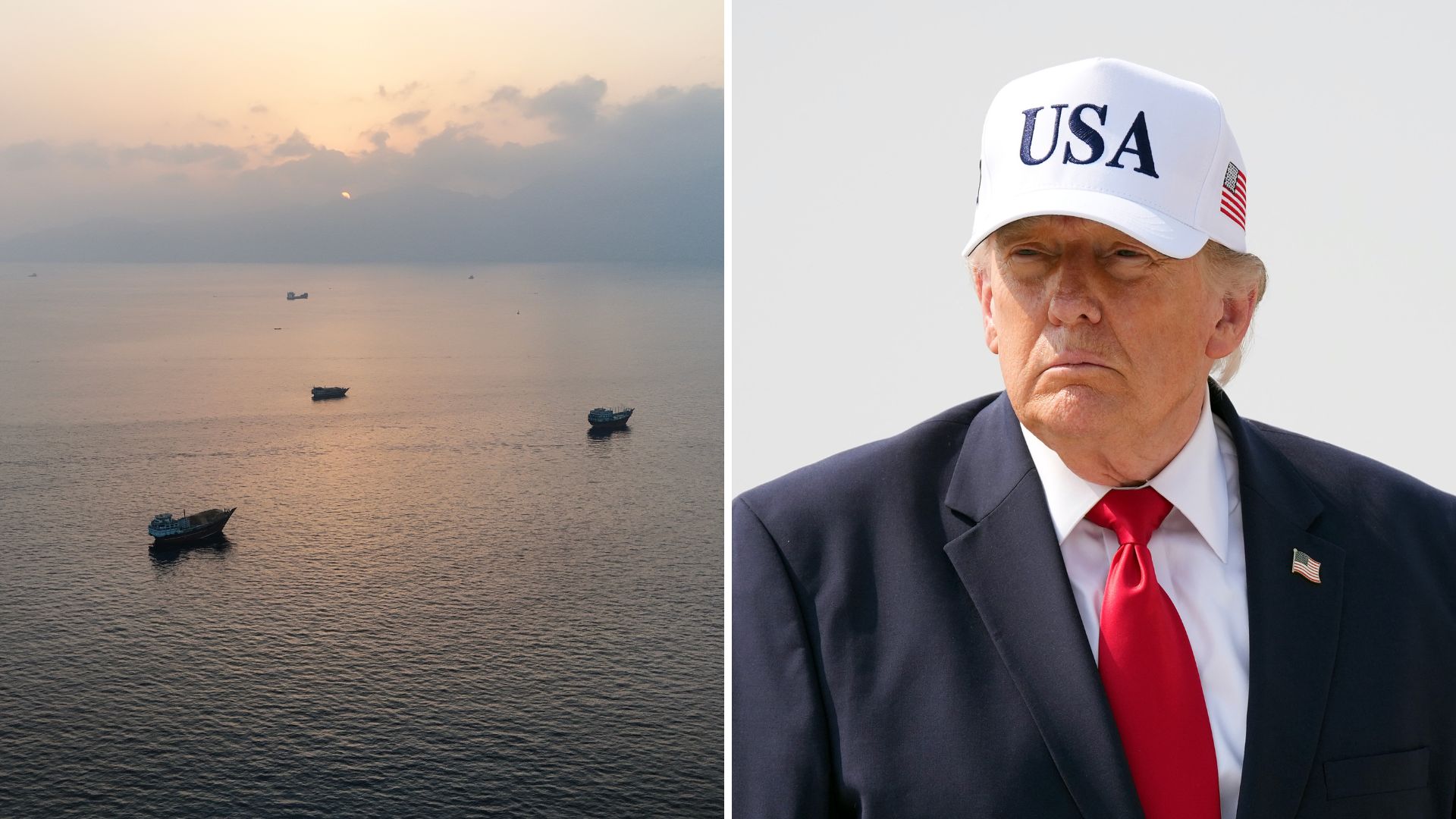 Trump proposes 20% toll as US becomes 'the guardian of the Hormuz Strait' and oil surges more than 9%