
In-Depth Analysis: SpaceX’s IPO—What It Means for Musk, the Markets, and the Space Industry


/https%3A%2F%2Fcdn-tor.buminteractif.com%2F2026%2F06%2F12160605%2Fmusk-spacex-e45345dfgdfgdfg4535434y7.jpg)
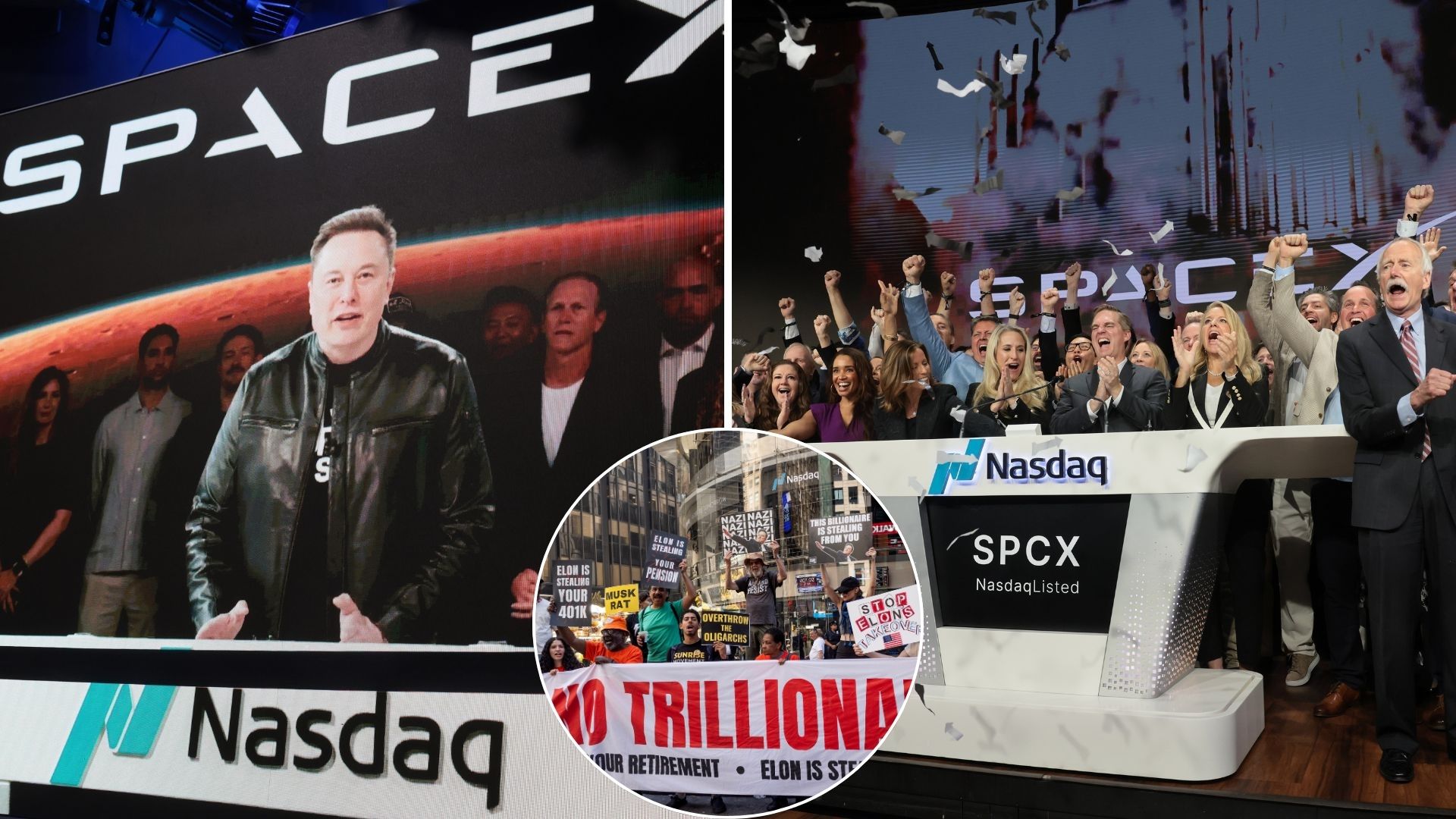
June 12 will go down as a pivotal date for the modern space economy: SpaceX's initial public offering not only raised tens of billions of dollars, but also redefined Elon Musk's position on the global financial stage. By selling 555.6 million shares at $135 each, SpaceX raised approximately $75 billion and achieved a valuation of nearly 1,770 billion. These figures set the stage for a narrative that is at once economic, technological, and political.
Why This IPO Is Historic
Several factors set this offering apart from traditional IPOs. First, the scale of the capital raised and the immediate valuation place SpaceX among the companies with the largest market capitalizations from day one. Second, the company combines multiple business lines—rocket launches, satellite services (Starlink), and government contracts—which diversify its revenue streams and justify a high valuation in the eyes of investors seeking long-term positions in the space sector.
Implications for Elon Musk
The IPO has a direct impact on Musk's personal fortune: the valuations of publicly traded companies often translate into increases in the value of shares or options held by founders. Reaching a valuation close to one “trillion” is a game-changer in terms of economic and political influence. However, such concentrated wealth also attracts greater regulatory and media scrutiny and requires greater transparency regarding strategic decisions.

Impact on Investors
For individual investors, the IPO represents an opportunity to gain access to a company that was previously the preserve of institutional investors and private equity funds. That said, investing in SpaceX is no ordinary bet: the capital-intensive nature of its projects (launches, constellation deployment, crewed exploration) implies long-term return horizons and potential volatility in the event of technical failures or contractual delays.
Investors must also assess the company's reliance on government contracts, which may be stable but are also subject to political cycles and geostrategic issues. Revenue diversification through Starlink is a positive factor, but competition in satellite services and international regulations remain factors to monitor.
The Staging and Public Narrative
The event was staged like a spectacle: synchronized ceremonies in New York and Texas, iconic music, and a live broadcast. This staging serves to reinforce the image of a visionary company and rally employees, investors, and the public. In terms of communication, SpaceX succeeded in its goal: to leave a lasting impression and make its IPO as much a cultural event as a financial one.

Political and Reputational Risks
The IPO comes at a time when Musk's public life has been marked by controversies and visible political involvement. The consequences are significant: criticism regarding potential conflicts of interest, questions about the management of government agencies and public sector jobs, as well as media exposure that can amplify any communication missteps. For a publicly traded company, these factors can weigh on investor confidence and the stability of the stock price in the short term.
Long-Term Outlook for the Space Industry
SpaceX's entry into the public procurement market sends a strong signal to the entire sector. It validates the commercial viability of space services and encourages investment in the industry. We can expect an acceleration of competing projects, intensified R&D efforts, and a proliferation of public-private partnerships. Nevertheless, SpaceX's ability to transform its ambitious vision (lunar missions, Mars colonization) into sustainable revenue streams remains the key to its credibility on the stock market.
In summary
- This initial public offering marks a major milestone for SpaceX and for Elon Musk, both financially and symbolically.
- The opportunities available to investors come with risks specific to the space sector and to managing a highly visible public figure.
- In the longer term, the IPO could catalyze a new golden age for the space industry if technical ambitions translate into stable and growing revenues.
Beyond the numbers, the event illustrates a transformation: space is no longer merely a realm of scientific exploration; it is becoming a defining component of 21st-century financial markets and industrial diplomacy.
