
In-Depth Analysis: Why the Live-Action Remake of Moana Got Off to a Slow Start and What It Means for Disney’s Remake Strategy


/https%3A%2F%2Fcdn-tor.buminteractif.com%2F2026%2F07%2F13192500%2Fmoana-getty-45345dsfdf.jpg)
A Friendly Introduction: The lackluster opening of the live-action remake of Moana was as surprising as it was a catalyst for renewed debate about Disney's strategy regarding adaptations. Beyond the catchy headline, it's worth analyzing the specific reasons behind this outcome and drawing lessons for the future: timing, nostalgia, costs, competition, and critical reception all combined to shape the equation that weighed on this launch.
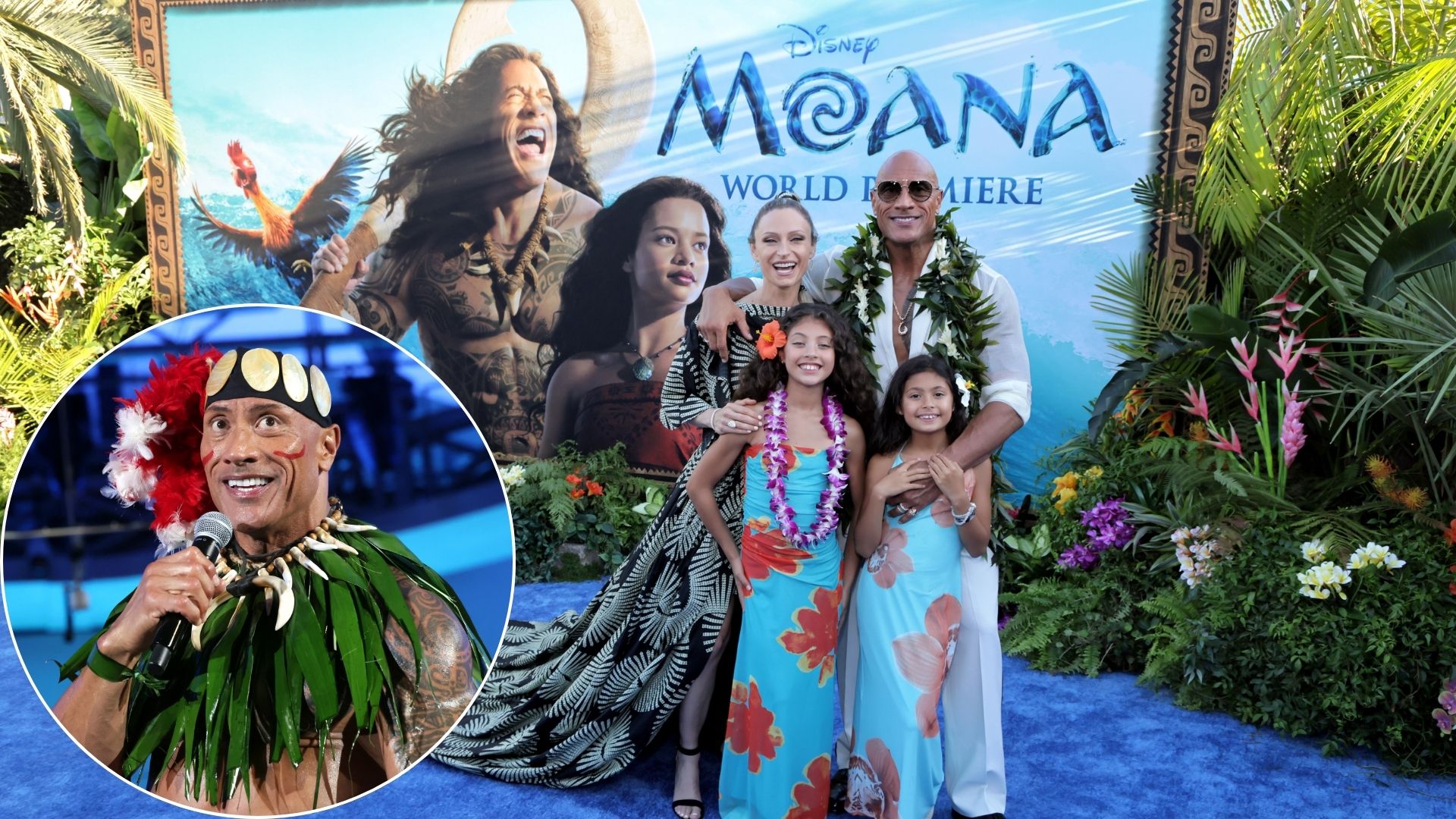 The film grossed around $43 million during its first weekend in the U.S., a disappointing figure given its ambitions and the investments made. Why didn't a product built around a modern and popular franchise find its audience right away? Several factors are at play.
1. The release schedule and summer competition
The release took place during a busy period in the movie calendar. Highly anticipated family films like Minions & Monsters and Toy Story 5 were already capturing much of the media attention and families' entertainment budgets. In the summer, the selection is overwhelming, and moviegoers have to make choices: when several major releases are scheduled just weeks apart, even a Disney production can find itself in direct competition and lose visibility.
 2. Limited Nostalgia
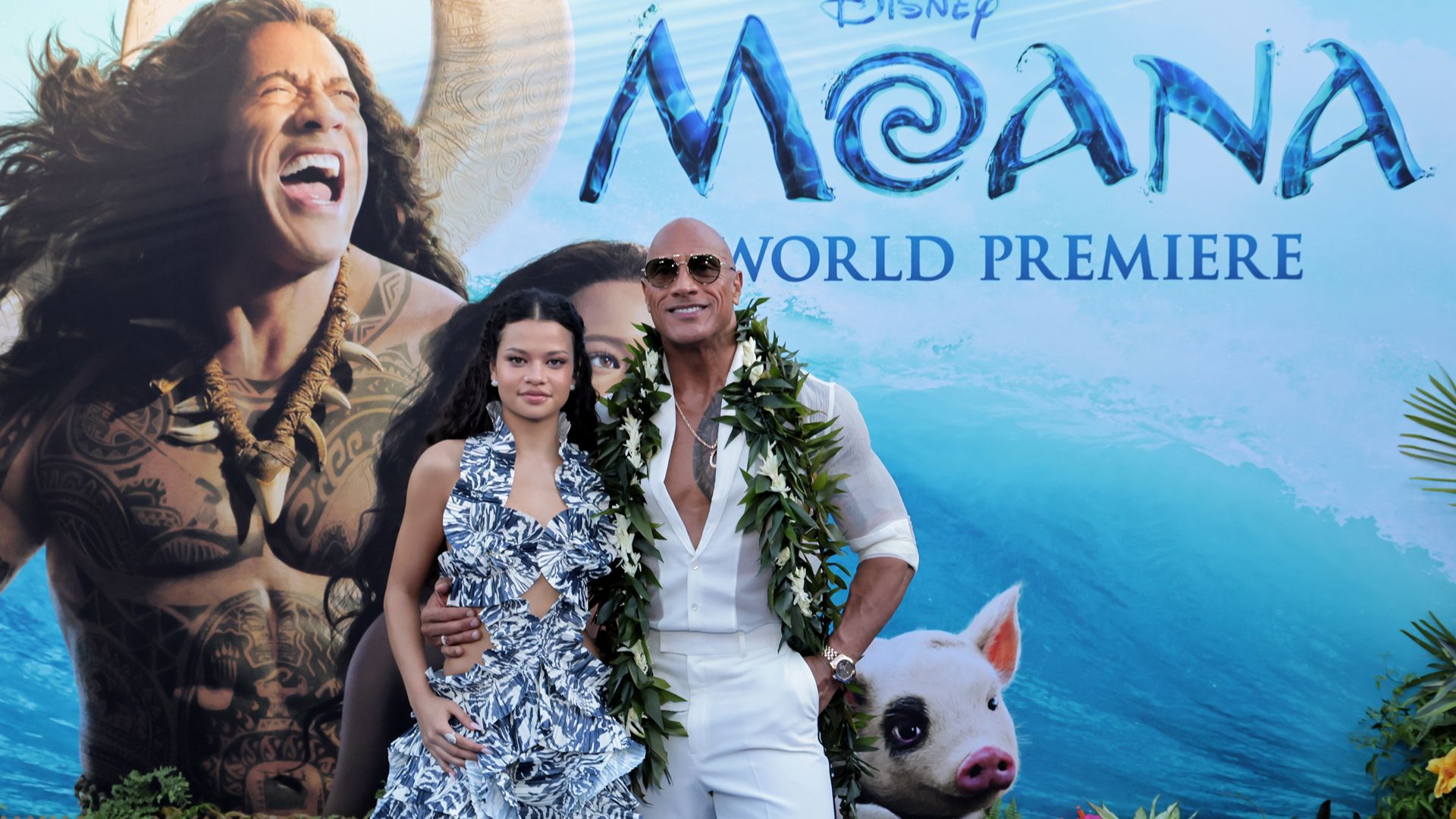
Unlike remakes inspired by older works, Moana did not benefit from intergenerational nostalgia. The animated version, released about ten years ago, and its recent sequel meant that many viewers already had the story fresh in their minds or available to watch at home. Nostalgia is a powerful driver for attracting a broad audience: without it, the incentive to pay for another trip to the theater is weaker.
3. Cost and Financial Pressure
With an estimated production budget of $250 million, plus a substantial marketing campaign, the bar for breaking even is extremely high. Gross box office receipts do not translate entirely into revenue for the studio, since theater operators take a significant cut. Consequently, a modest opening requires either exceptional word-of-mouth or outstanding international performance to make up for it.
 4. An adaptation deemed too faithful
Many critics have pointed out the remake's lack of creative boldness: too close to the original, it fails to offer a fresh enough perspective to justify its presence in theaters. When a remake merely reproduces the animated version without offering a new narrative, emotional, or visual perspective, its cultural and commercial value is called into question.
5. Marketing Choices and Perception
The promotional campaign for such a project must simultaneously convince parents, pique the curiosity of young viewers, and reassure fans of the original. If the marketing fails to clearly demonstrate what makes the live-action version unique, audiences may be tempted to wait for a home release rather than go to the theater.
 6. Critical Reception and Word of Mouth
Although viewers who have seen the film have sometimes given it positive ratings, the critical consensus has remained mixed. A low score on review aggregators can influence the decision of undecided viewers, especially after a mediocre opening weekend. To reverse the trend, it would take very favorable word-of-mouth or a viral element capable of reigniting interest.
Conclusion and Implications
The Moana case highlights that the remake formula is not foolproof: without enough time to trigger nostalgia, without a strong artistic vision, and with very high costs, even a well-known brand can disappoint. For Disney, this means rethinking release timing, emphasizing creative reinvention rather than mere reproduction, and optimizing the marketing strategy to create a sense of urgency to see the film in theaters. Finally, this observation could encourage studios to diversify their approaches—investing more in original projects or bold reinventions rather than churning out carbon copies.
