
Meetings between Trump associates and Alberta separatists: implications for sovereignty and Canada–US diplomacy


/https%3A%2F%2Fcdn-tor.buminteractif.com%2F2026%2F02%2F12151604%2Ftrump-canada-getty438gngofd-4.jpg)
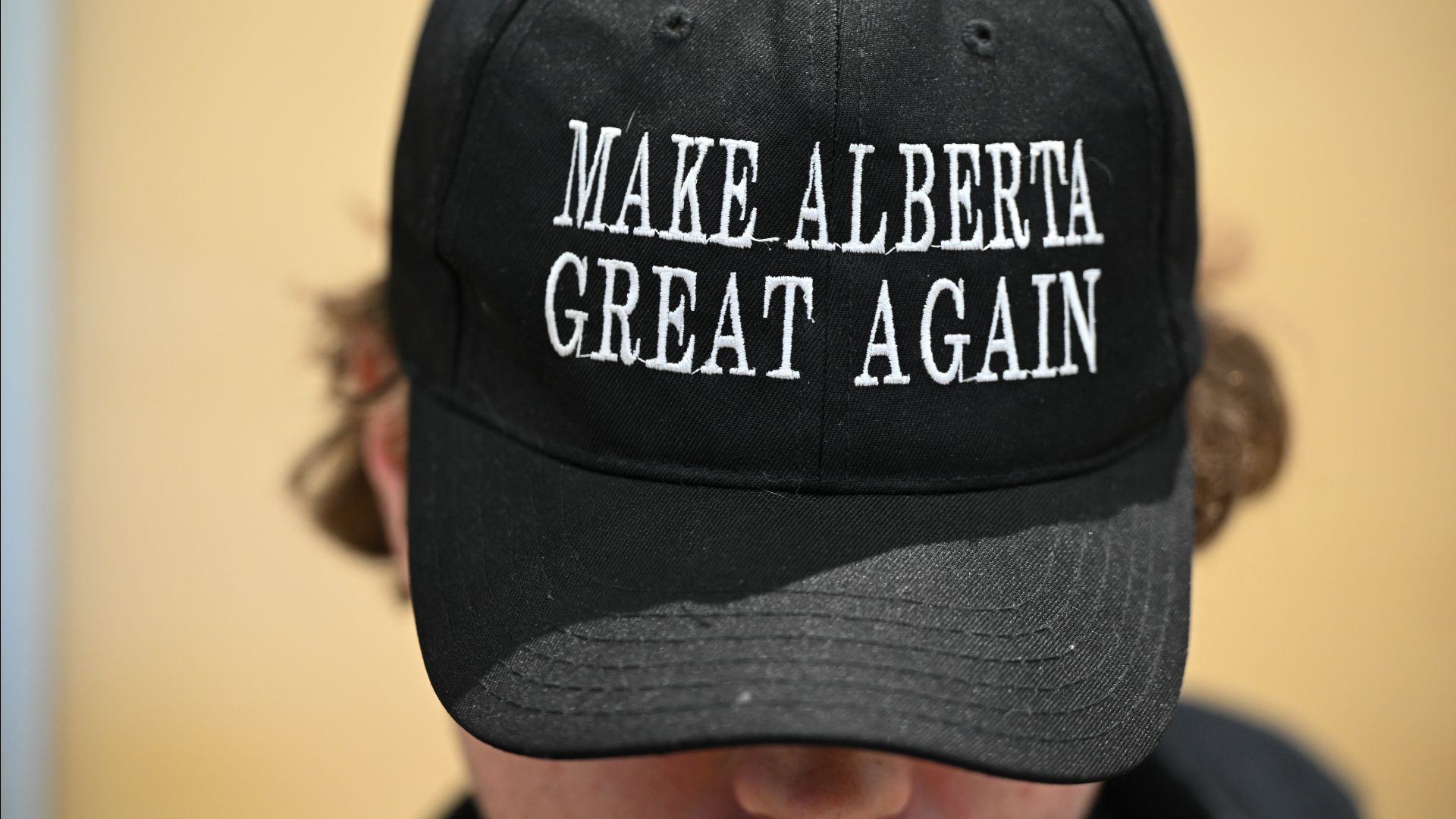
Summary — Revelations that officials linked to Donald Trump met in Washington with leaders of the Alberta Prosperity Project (APP), a group advocating for Alberta's independence, have reignited fears of foreign interference in Canada's internal affairs. According to several media outlets and the Financial Times, these trades, which took place in 2025, reportedly included requests for significant political and financial support, including a request for a US$500 billion credit facility.
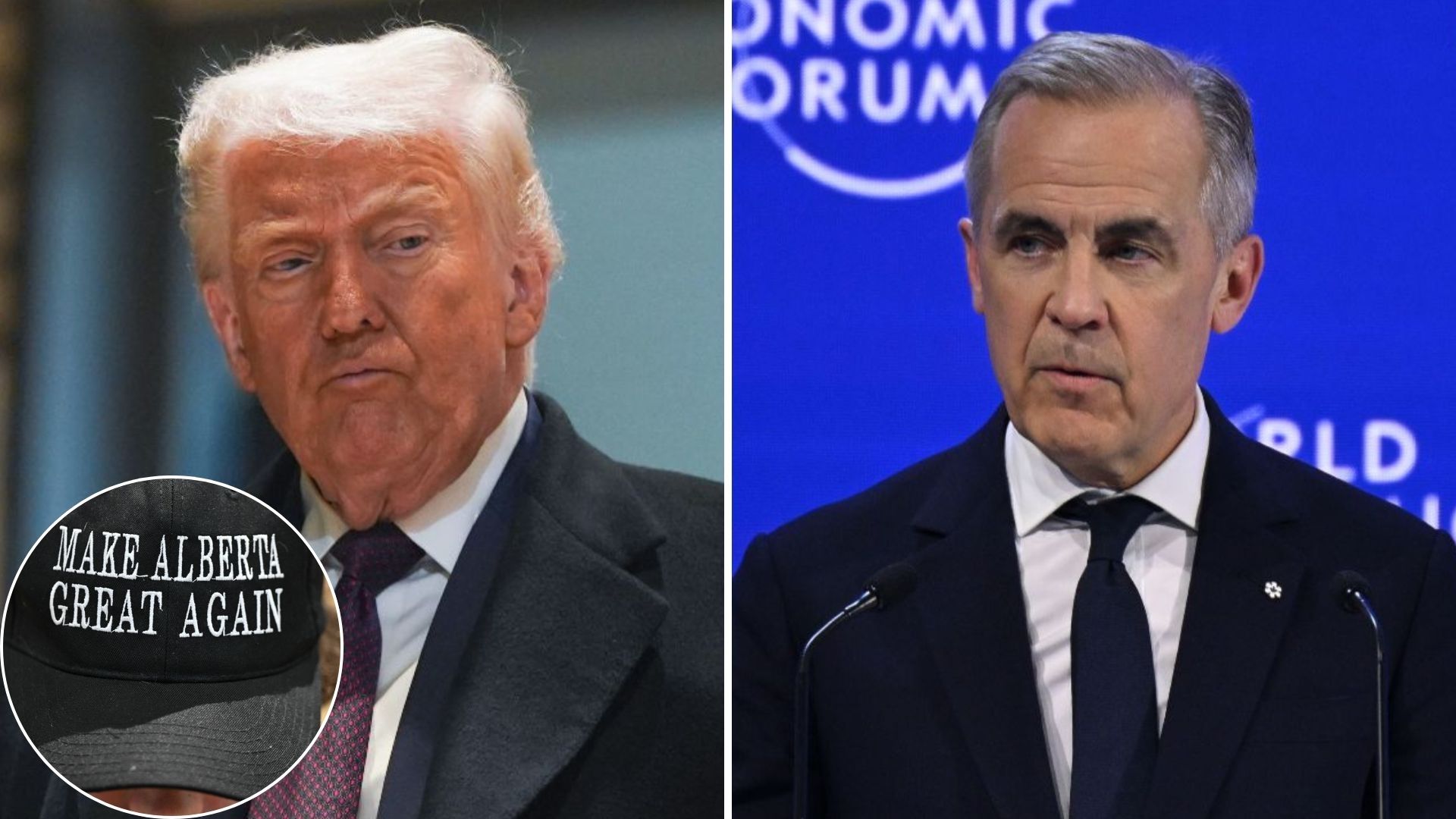 These meetings took place at a time of heightened tensions, with the US discourse on Alberta being described as particularly encouraging by some political and financial actors in the United States.
Several key elements emerge from the available information: the repeated nature of the contacts, the mention of a massive financial request reported by the Financial Times, and public statements by US officials who described Alberta as a “natural partner.” These signals provoked a strong reaction in Ottawa, where protecting territorial integrity and preventing foreign interference are stated priorities.
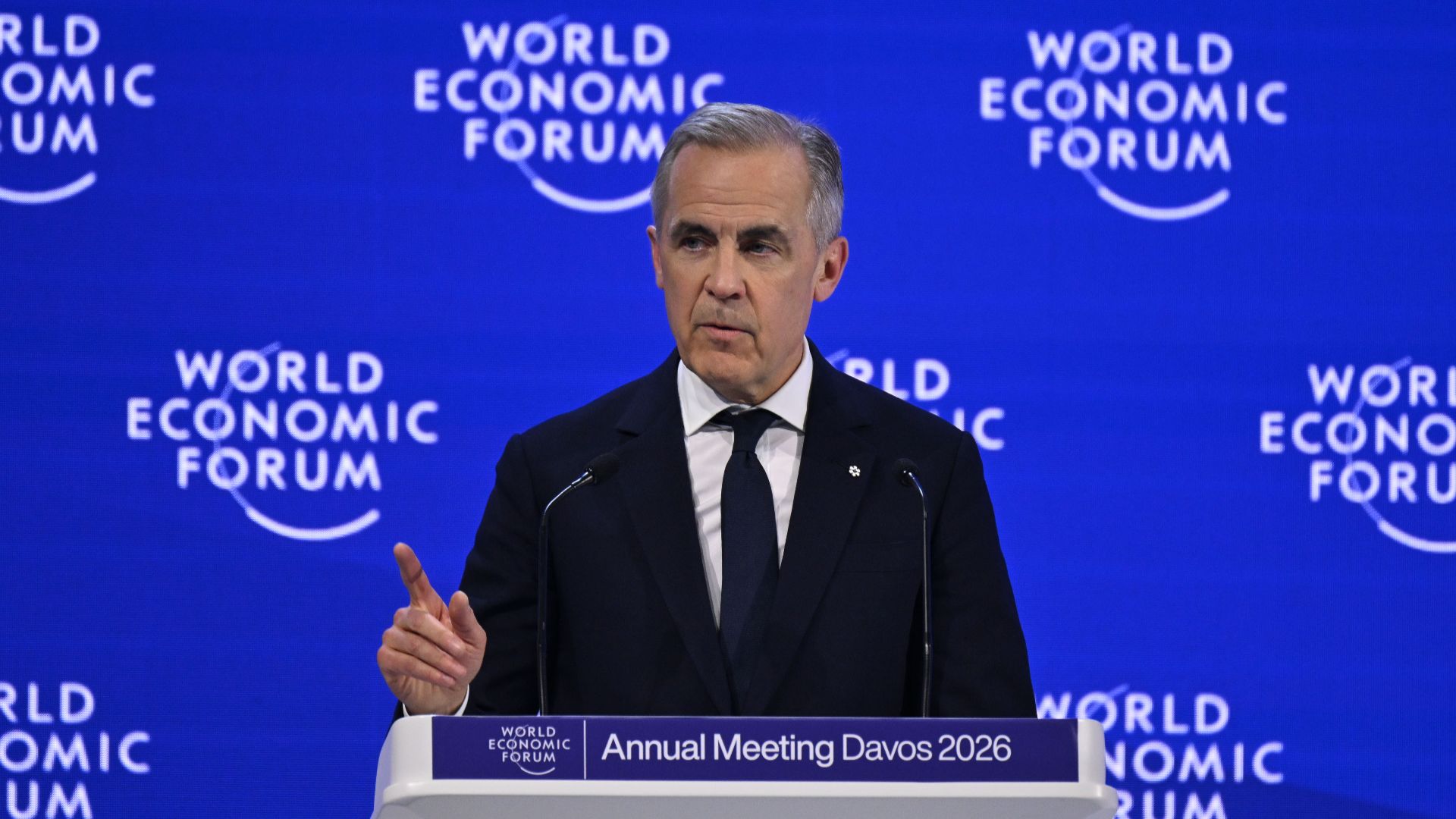 Procedurally, it is important to remember that the campaign for a possible referendum on Alberta's independence is still in its preliminary stages: Elections Alberta has approved the question, but the promoters must still appoint a financial officer and obtain the required signatures before triggering an official vote.
Public statements have also polarized the debate. U.S. Treasury Secretary Scott Bessent publicly called Alberta a “natural partner” for the United States, which some interpreted as a problematic mix of economic analysis and potential interference. On the Canadian side, former Bank of England Governor and current Prime Minister Mark Carney defended Canada's sovereignty, reaffirming the principle of democratic self-determination and expressing concern about external pressures.
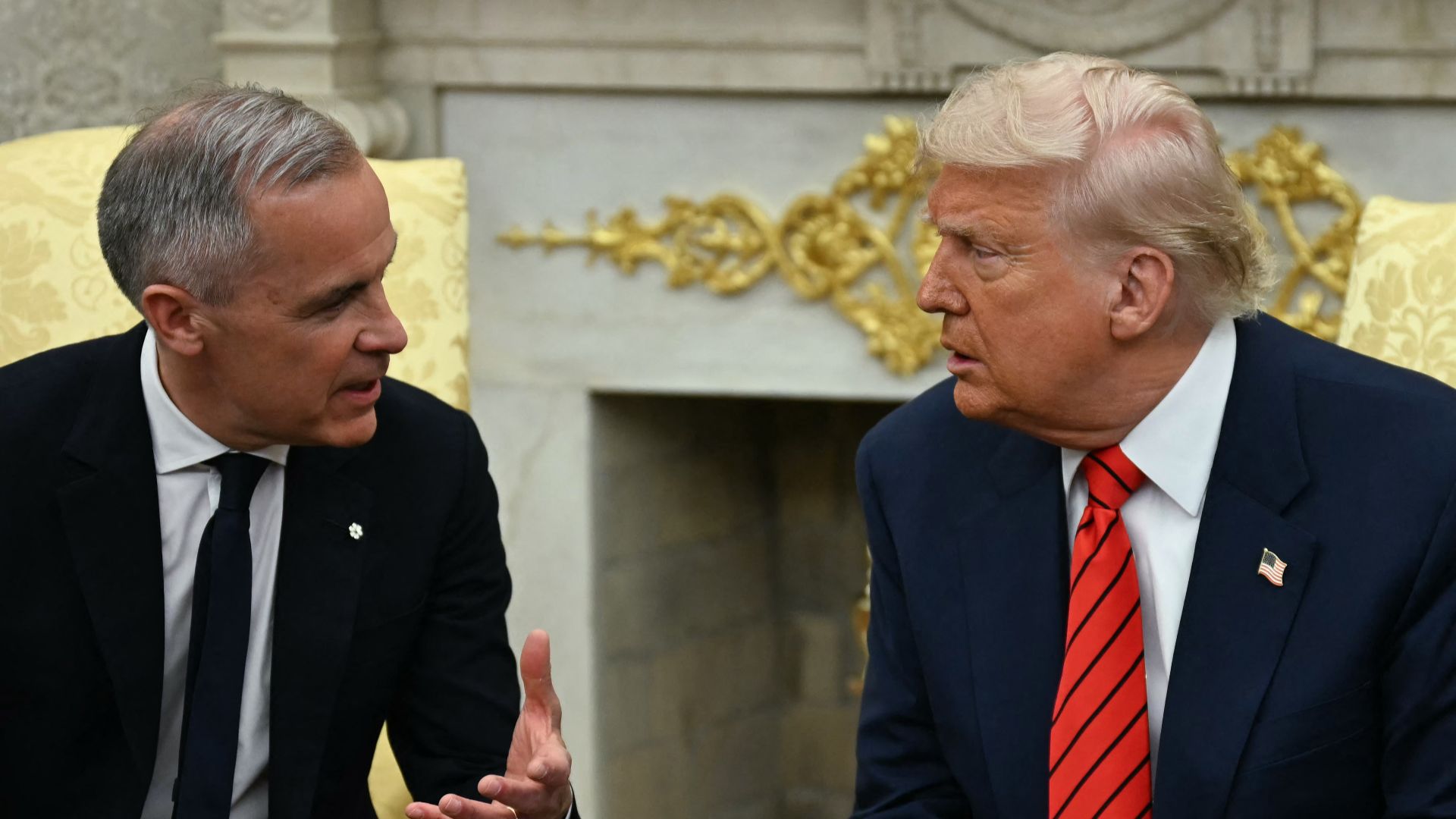 According to comments attributed to Jeff Rath, legal advisor to the APP, there is great American enthusiasm for a “free Alberta” and the group boasted of strong relations with American actors. These statements, relayed by the press, fuel the perception of potential political interference with considerable diplomatic implications.
Why is this a problem?
- National sovereignty: Meetings between foreign representatives and separatist movements can be perceived as an attempt to undermine the authority of a sovereign state.
- Democratic legitimacy: A referendum requires clear rules, transparency, and an internal process; massive outside support could distort the debate.
- Bilateral relations: Informal or unofficial contacts can damage trust between Ottawa and Washington if they are perceived as intended to encourage internal division in Canada.
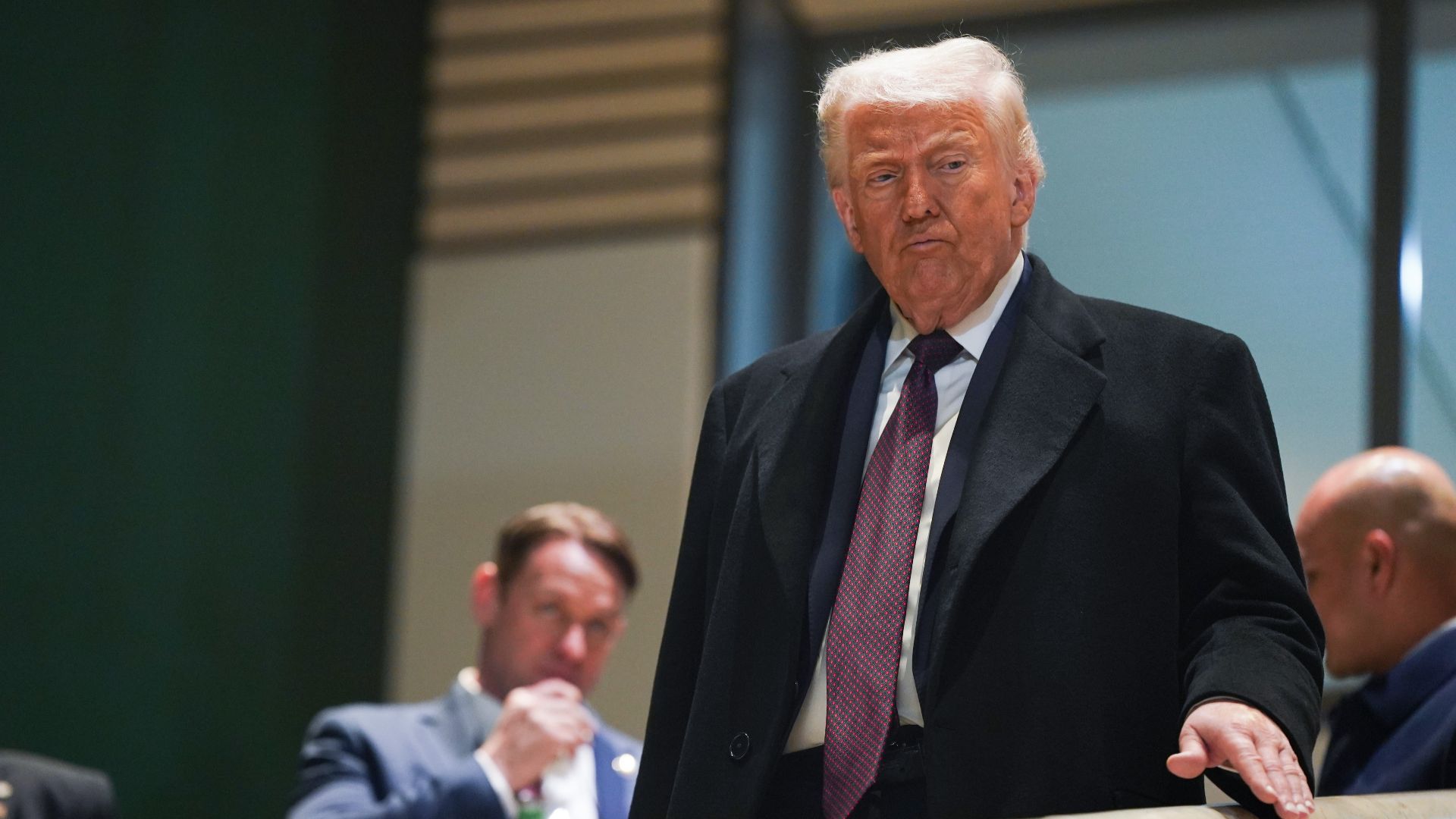 Internationally, the image of a major partner framing or supporting a separatist movement away raises questions about compliance with diplomatic norms. Even if some statements are limited to economic commentary, the line between trade analysis and political interference can become blurred and politically fragile.
What responses are possible?
- Transparency: Ottawa can demand accountability and transparency regarding the exact nature of these meetings and the actors involved.
- Diplomatic inquiry: Open a formal diplomatic channel to clarify positions and seek assurances against any form of interference.
- Internal reinforcement: ensure the robustness of provincial electoral procedures and rules governing financing, communication, and the holding of referendums.
Ultimately, the posting of these meetings highlights a contemporary challenge: the porosity between economic trade, cross-border political support, and the impact on state sovereignty. The case of Alberta and the reported contacts with Trump-linked representatives illustrates how crucial it is for democracies to maintain clear safeguards and rapid response mechanisms to preserve the integrity of internal political processes.
To follow this story, it will be necessary to monitor ongoing journalistic investigations, official reactions from Ottawa and Washington, and developments in the referendum process in Alberta. In an already tense political climate, transparency and diplomatic dialogue will remain the best defenses against escalation.
 Note: The information cited here is based on public reports and media statements; some allegations are still being verified by the relevant authorities.
