
Paramount vs. Netflix: Allegations of a Influence Campaign, Timeline, and Regulatory Implications of the Warner Bros. Discovery Deal


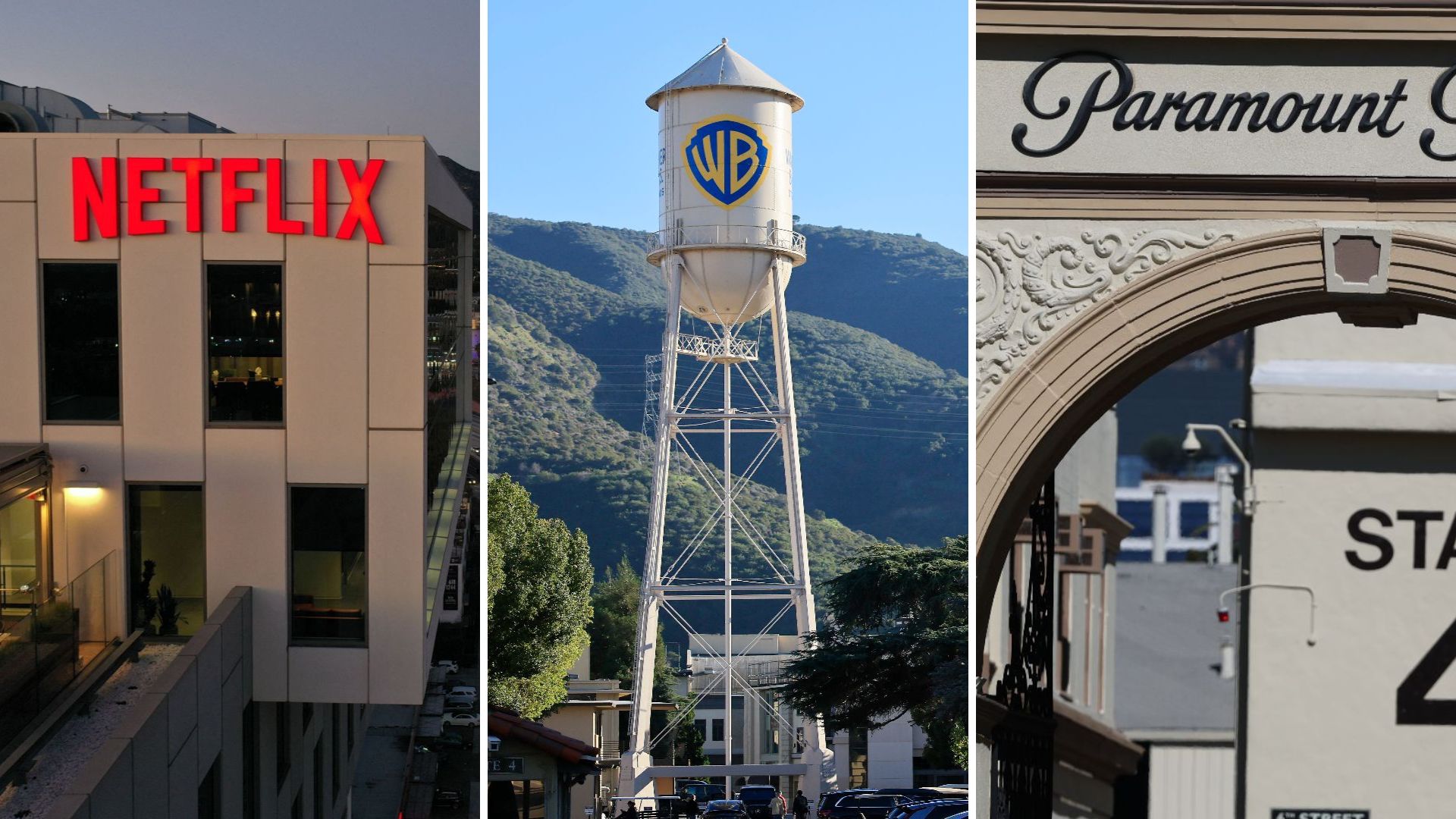
/https%3A%2F%2Fcdn-tor.buminteractif.com%2F2026%2F06%2F09185120%2Fnetflix-out-paramount-warner-getty-3456345342155443-1.jpg)
Introduction: The recent standoff between Paramount-Skydance and Netflix goes beyond a simple bidding war: following a bidding war that ended with Paramount's financial victory over Warner Bros. Discovery, a new legal and political battle has begun in Washington. Paramount accuses Netflix of orchestrating a “scorched-earth campaign” designed to derail the acquisition, valued at approximately $110–111 billion. These allegations, formalized in a letter filed with the Department of Justice, raise important questions about the legitimacy of influence tactics, the line between lobbying and manipulation, and the implications for the regulation of the audiovisual sector.
Background and origins of the conflict: It all began with the sale of Warner Bros. Discovery and an intense bidding war among several major players in the entertainment industry. Netflix had initially offered $82.7 billion in December 2025, but Paramount outbid it, ultimately offering $31 per share in cash, for a total valuation of nearly $111 billion when debt is included. WBD's board of directors deemed Paramount's offer more advantageous, leading Netflix to officially withdraw from the process. However, Paramount now claims that Netflix has not moved on and is, in fact, taking steps to sabotage the completion of the transaction.
Paramount's allegations: In an official letter to the Department of Justice, signed by Makan Delrahim, Paramount-Skydance details what it describes as a series of coordinated actions by Netflix. According to Paramount, these actions are intended to influence:
- antitrust and regulatory authorities, by spreading alarmist arguments about consolidation;
- labor unions and professional organizations, by amplifying reports highlighting the negative social impacts of previous mergers;
- policy makers and public opinion, through targeted communication campaigns.
Paramount contends that Netflix orchestrated a “panic reaction” to convince government officials that the merger must be blocked in the name of preserving competition and jobs.

Netflix's Defense: Netflix quickly denied these allegations, calling the complaint “absurd” and pointing out that it had withdrawn from the race several months ago. According to a spokesperson, the company is now focused on its own business strategy and does not engage in campaigns aimed at derailing other transactions. Netflix also cites the right to public debate and industry lobbying: in a market as strategic as the media sector, it is common for companies, unions, and interest groups to express opposing positions during major transactions.
Why do these disputes matter to regulators? Antitrust authorities evaluate not only financial figures and market shares but also structural risks to competition, innovation, and content diversity. When a company alleges that a rival has attempted to manipulate the review process, this can prompt regulators to deepen their investigations. A formal complaint filed with the DoJ can lead to the seizure of internal documents, hearings, and increased scrutiny of communications between companies and stakeholders. In other words, an accusation of a lobbying campaign can significantly prolong the approval process or even jeopardize the outcome of a transaction already approved by shareholders.
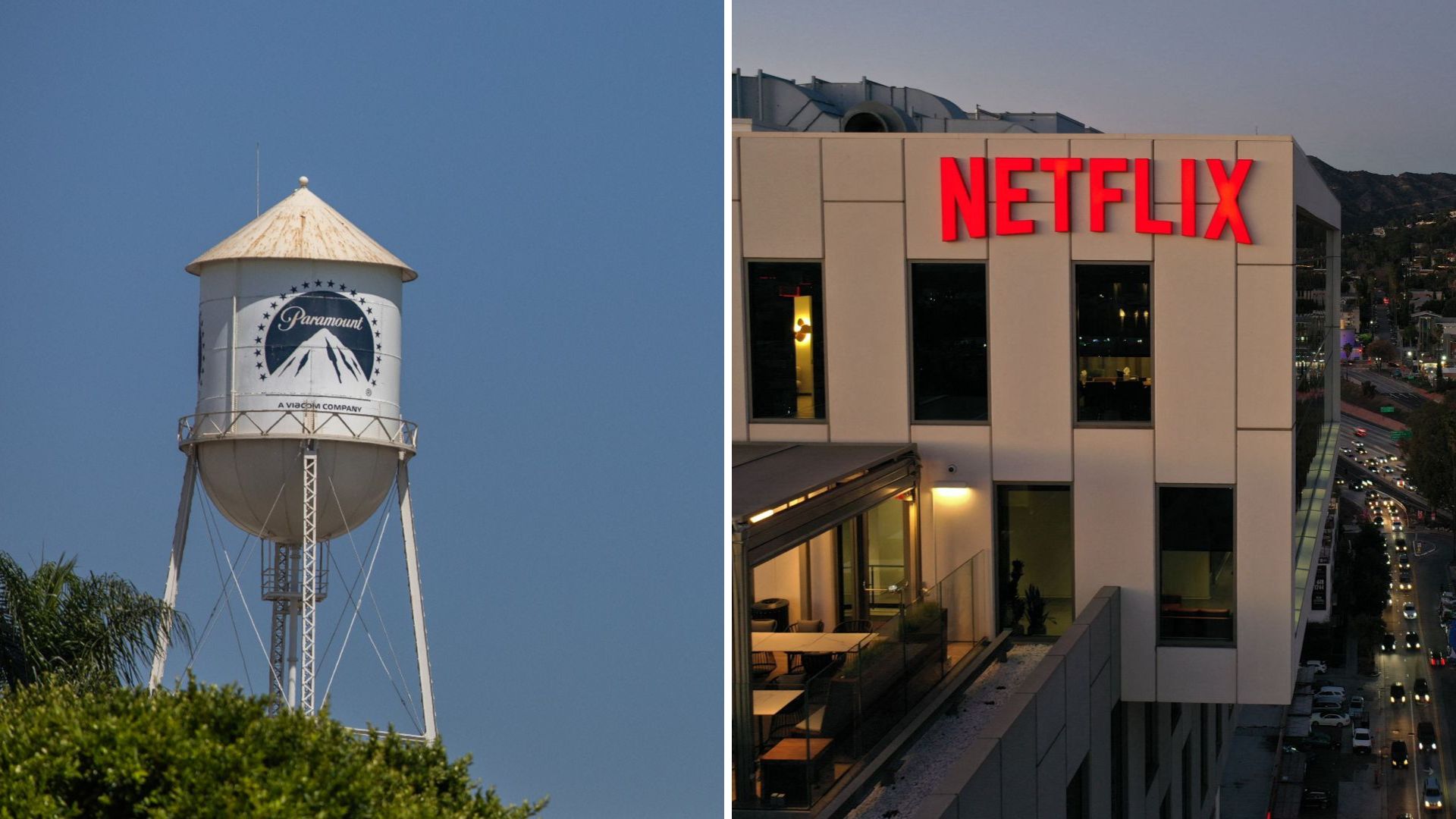
Implications for Unions and Production: Paramount claims that Netflix sought to stoke fears among unions by using historical examples—such as Disney's acquisition of 21st Century Fox—to argue that the deal would lead to job losses and a reduction in local production. The unions, for their part, point out that their role is to protect workers; the question, therefore, is whether their concerns were exploited or expressed in good faith. Regulators will need to distinguish between genuine concerns and strategic maneuvering so as not to confuse legitimate lobbying with coordinated pressure aimed at obstructing a competitive transaction.
What are the possible consequences? Several scenarios are possible: the Department of Justice may dismiss the allegations and allow the transaction to proceed as planned; it may launch a formal investigation, resulting in additional delays and costs; or it may impose remedies (asset divestitures, commitments) to mitigate the risks of market concentration. For consumers, the issue centers on how this consolidation will affect content diversity, competition among platforms, and potentially subscription prices.
Conclusion: The clash between Paramount and Netflix illustrates just how much major media mergers now intertwine commercial considerations, political battles, and strategies of influence. Beyond the accusations, the ongoing process will soon provide important clarifications regarding the leeway players have in industry lobbying and the vigilance of regulators in the face of actions that could undermine healthy competition. What happens next will depend on the documentary evidence and the decisions of the Department of Justice, which will have to weigh the plaintiffs' defensive stance against the defendants' claim to the right to public debate.
