


/https%3A%2F%2Fcdn-tor.buminteractif.com%2F2026%2F07%2F27180812%2Ftrump-maga-gettyedverter.jpg)
Republican strategists are raising new concerns about the party's prospects ahead of November's midterm elections as internal polling and field research point to weakening enthusiasm among some of the GOP's most dependable voters. Rather than warning of an unexpected Democratic surge, Republican pollsters and conservative organizations say the greater threat comes from declining participation within their own coalition. Internal surveys, focus groups and reports gathered from campaign volunteers suggest that the Republican Party is struggling to generate the level of motivation typically expected from its core supporters during a national election cycle. The trend is particularly troubling because midterm elections have historically served as a referendum on the sitting president, placing additional pressure on Republicans as Donald Trump confronts declining approval ratings. Party operatives increasingly believe that turnout—not persuasion—could become the defining factor in determining control of Congress.
Among the findings drawing the greatest concern is evidence that a significant portion of the Republican base may simply choose not to participate. According to an internal analysis conducted by the conservative super PAC Americans for Prosperity Action (AFP Action), approximately one in five reliable Republican voters in several key battleground states are currently considering either staying home on Election Day or supporting Democratic candidates instead. The warning spans politically important states including Iowa, Ohio, North Carolina, Montana, New Hampshire and Michigan, all of which are expected to play important roles in determining congressional control. Republican strategists argue that Democrats are not necessarily outperforming historical expectations. Instead, they believe the larger problem is that traditional Republican turnout appears to be falling below levels the party has relied upon in previous election cycles, creating vulnerabilities even in states where the GOP has historically maintained a strong electoral advantage.
Economic concerns
Field organizers and pollsters say much of the dissatisfaction centers on economic concerns that continue to dominate conversations with conservative voters. Campaign volunteers report that persistent inflation, rising consumer prices and the increasing cost of everyday necessities remain the issues mentioned most frequently during voter outreach efforts. Those concerns have reportedly intensified as the conflict involving Iran has continued, with many Republican voters linking the administration's foreign policy decisions to broader economic pressures at home, including higher living costs and weaker real wage growth. The decline in enthusiasm appears especially noticeable among men under the age of 40, a demographic that played a significant role in Donald Trump's 2024 election victory. Republican operatives increasingly describe these voters as frustrated by the economic outlook and less motivated to participate than they were during the last presidential campaign, raising fresh questions about whether the party can successfully rebuild enthusiasm before November.
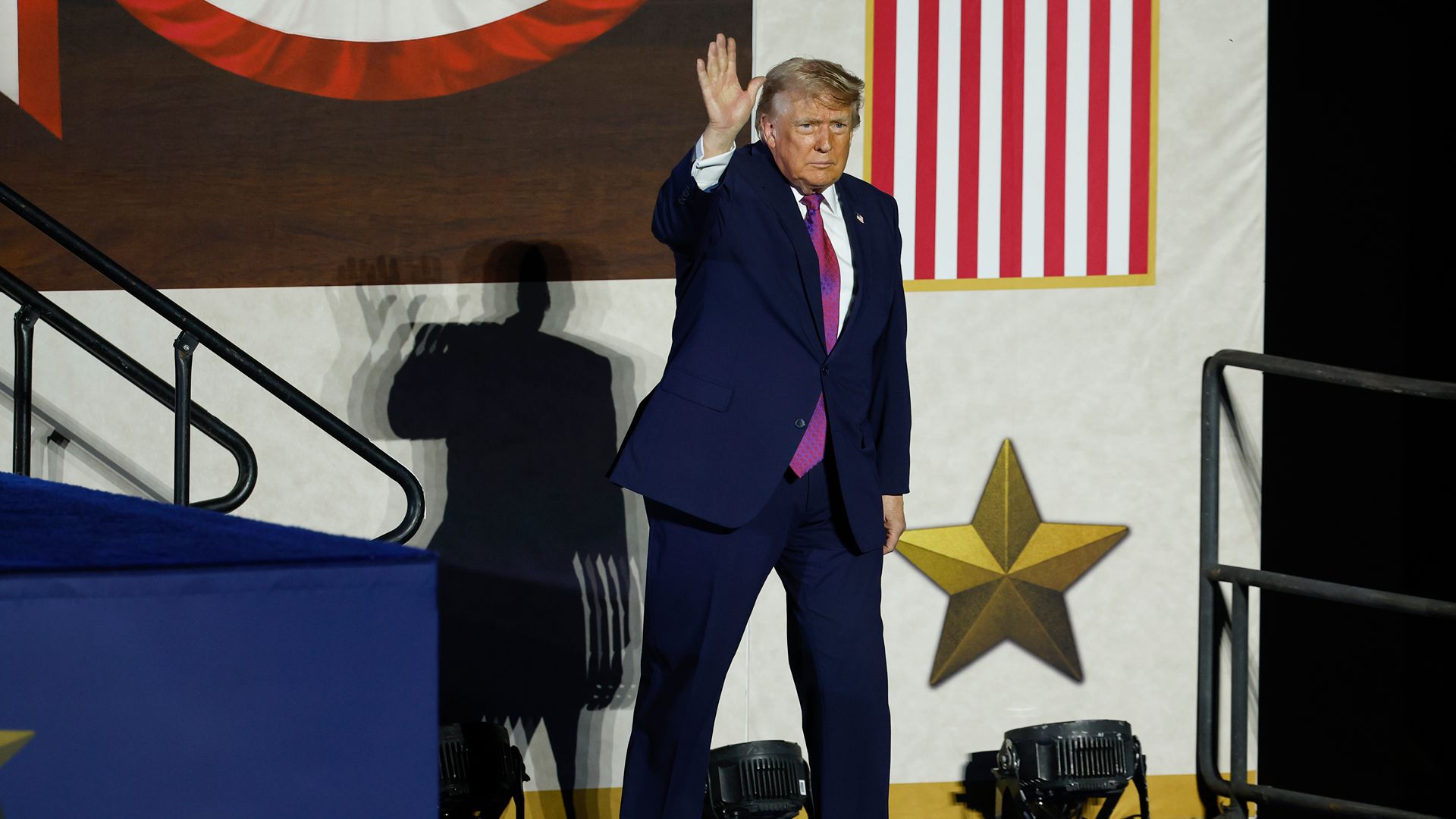
Republican strategists also see a growing disconnect between the issues emphasized by national party leaders and the priorities expressed by voters on the ground. While Donald Trump has continued to devote considerable attention to disputes surrounding the 2020 presidential election, many congressional Republicans and campaign operatives believe that message is failing to resonate with voters focused on present-day economic challenges. Internal discussions within conservative organizations increasingly suggest that Republican candidates would benefit from centering their campaigns on inflation, wages and the cost of living rather than revisiting past political grievances. Pollsters warn that if the party continues to emphasize issues that many voters view as less immediate, it risks widening the enthusiasm gap at a time when Democrats appear to be entering the midterm campaign with significantly greater energy. The contrast in voter motivation has become one of the most closely watched indicators as both parties prepare for November.
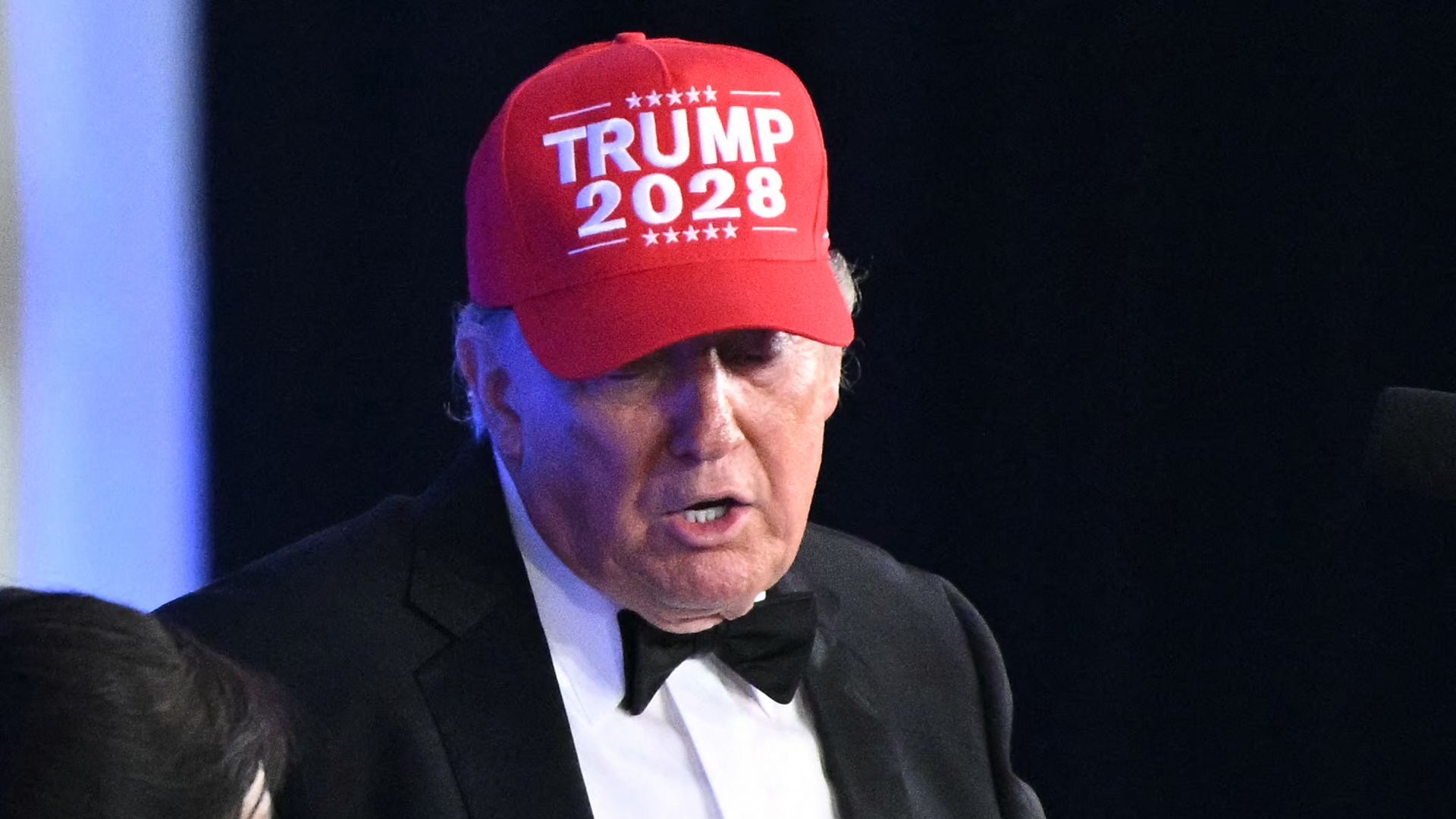
Conservative polling also points to an emerging imbalance in overall voter enthusiasm that could shape turnout on Election Day. While some reliable Republican voters are considering staying home, Democratic organizers are reporting levels of engagement that more closely resemble the highly energized 2018 midterm elections. Independents, meanwhile, remain the least committed segment of the electorate. According to civic engagement data from Tufts University's Center for Information & Research on Civic Learning and Engagement (CIRCLE), 68% of Democrats say they are highly likely to vote in the 2026 midterms, compared with 49% of Republicans and only 38% of independents. Researchers say many independent voters are experiencing political fatigue after years of intense polarization, with some describing the upcoming election less as an opportunity to support a preferred agenda than as a choice between opposing political camps. That dynamic could further magnify the importance of motivating loyal partisan voters rather than persuading undecided ones.
Urgent challenge
Taken together, the findings have prompted Republican pollsters and conservative advocacy groups to warn that turnout—not public opinion alone—may determine the outcome of the midterm elections. Party officials acknowledge that persuading swing voters remains important, but they increasingly view re-engaging their own base as the more urgent challenge. If even a relatively small share of dependable Republican voters ultimately stay home or cross party lines, the effect could prove decisive in closely contested congressional races across several battleground states. With only months remaining before Americans head to the polls, Republican campaigns are expected to intensify efforts to reconnect with skeptical supporters by emphasizing economic issues and addressing the concerns identified through internal polling. Whether those adjustments will be enough to restore enthusiasm among the party's traditional coalition could play a significant role in deciding the balance of power in Washington.
Created by humans, assisted by AI.
 Oil breaks $100 as prices jump 29% in a month
 Christopher Nolan's The Odyssey defies MAGA backlash with $87 million second weekend