The Gilded Restoration of the “Arts of War” Statues: Budget, Methods, and Challenges Behind the Washington Project


/https%3A%2F%2Fcdn-tor.buminteractif.com%2F2026%2F06%2F18201020%2Ftrump-gold-getty-4534534654yfghdf.jpg)
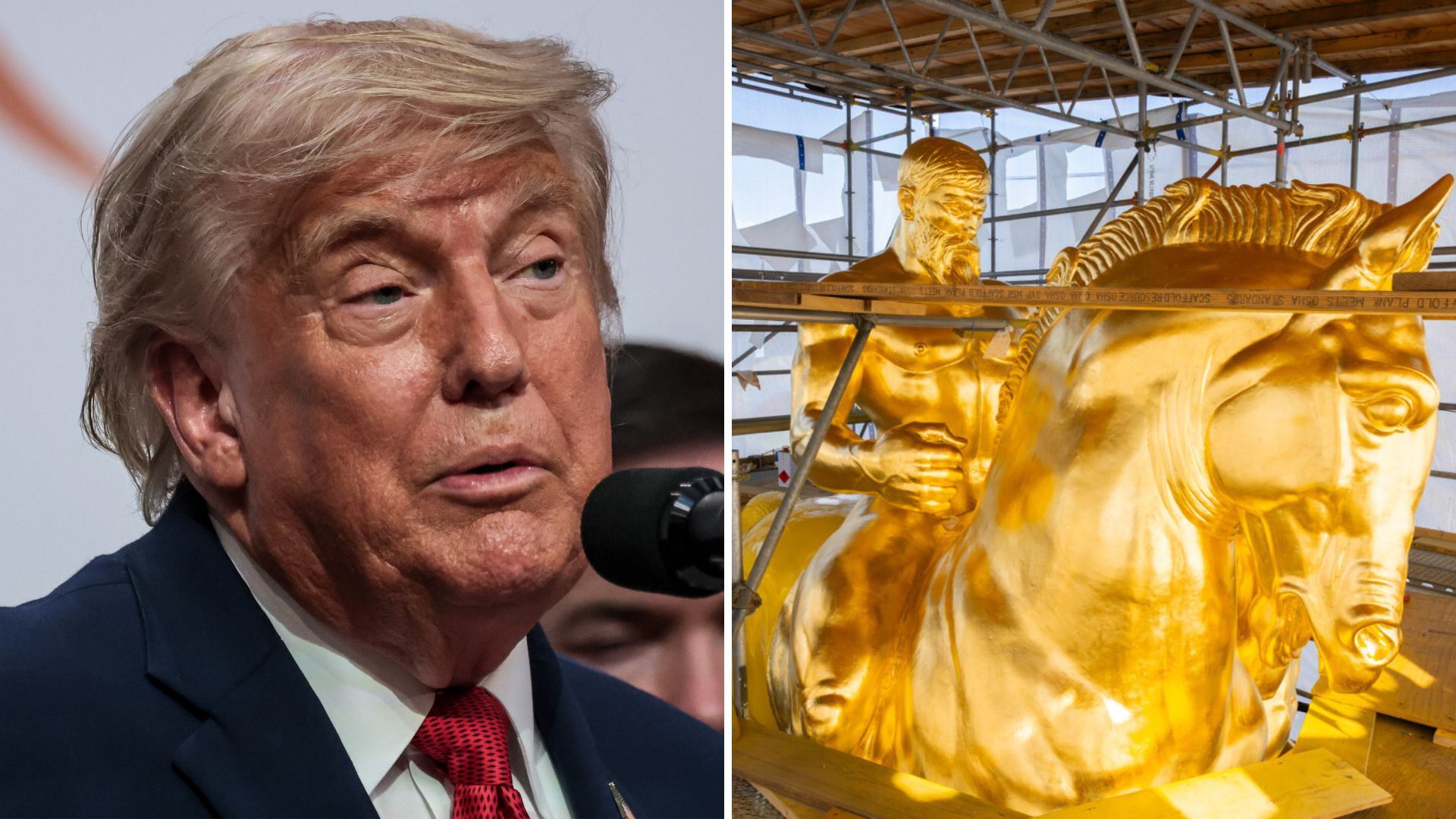
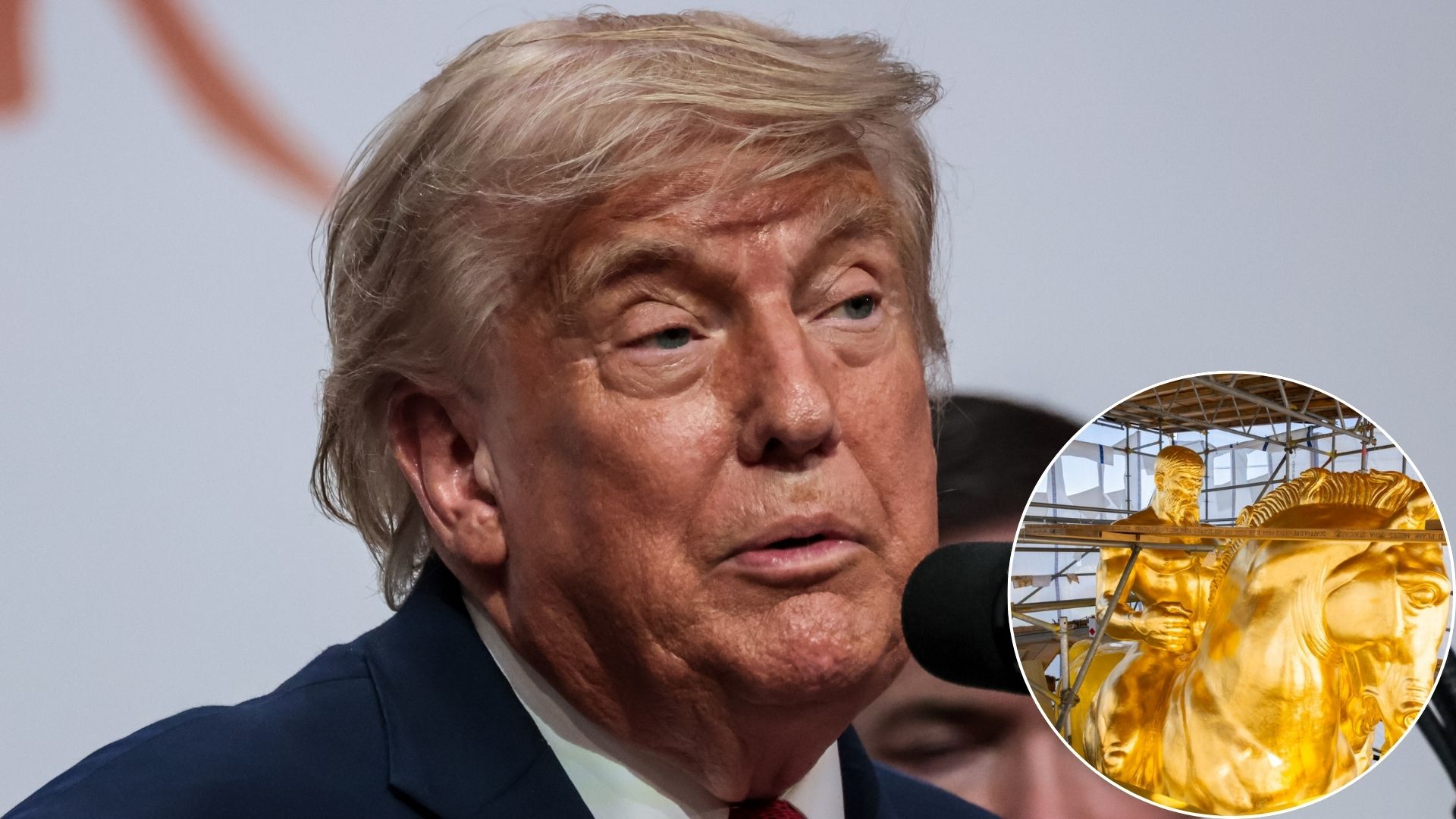
The restoration project for the statues known as “Arts of War”—recently brought to light by Donald Trump's posts on Truth Social—has reignited a national debate on heritage preservation, the cost of public works, and the capital's aesthetic vision. The administration has announced a budget of approximately $5 million to regild and restore several monumental sculptures located near the Arlington Memorial Bridge. Beyond the visual spectacle, it is important to understand the methods being used, the reasons for taking action now, and the controversies surrounding the project.
Why restore these statues? Conservation officials explain that these works, cast primarily in Italian bronze, have endured decades of exposure to the elements, air pollution, and climatic variations. This aging process has led to corrosion, loss of sculptural detail, and weakened anchors. The restoration aims to stabilize the structures, remove damaged materials, and apply finishes—including gold leaf—to protect and restore the statues' original appearance. According to the Ministry of the Interior, this is the first operation of its kind and on such a scale in several decades.
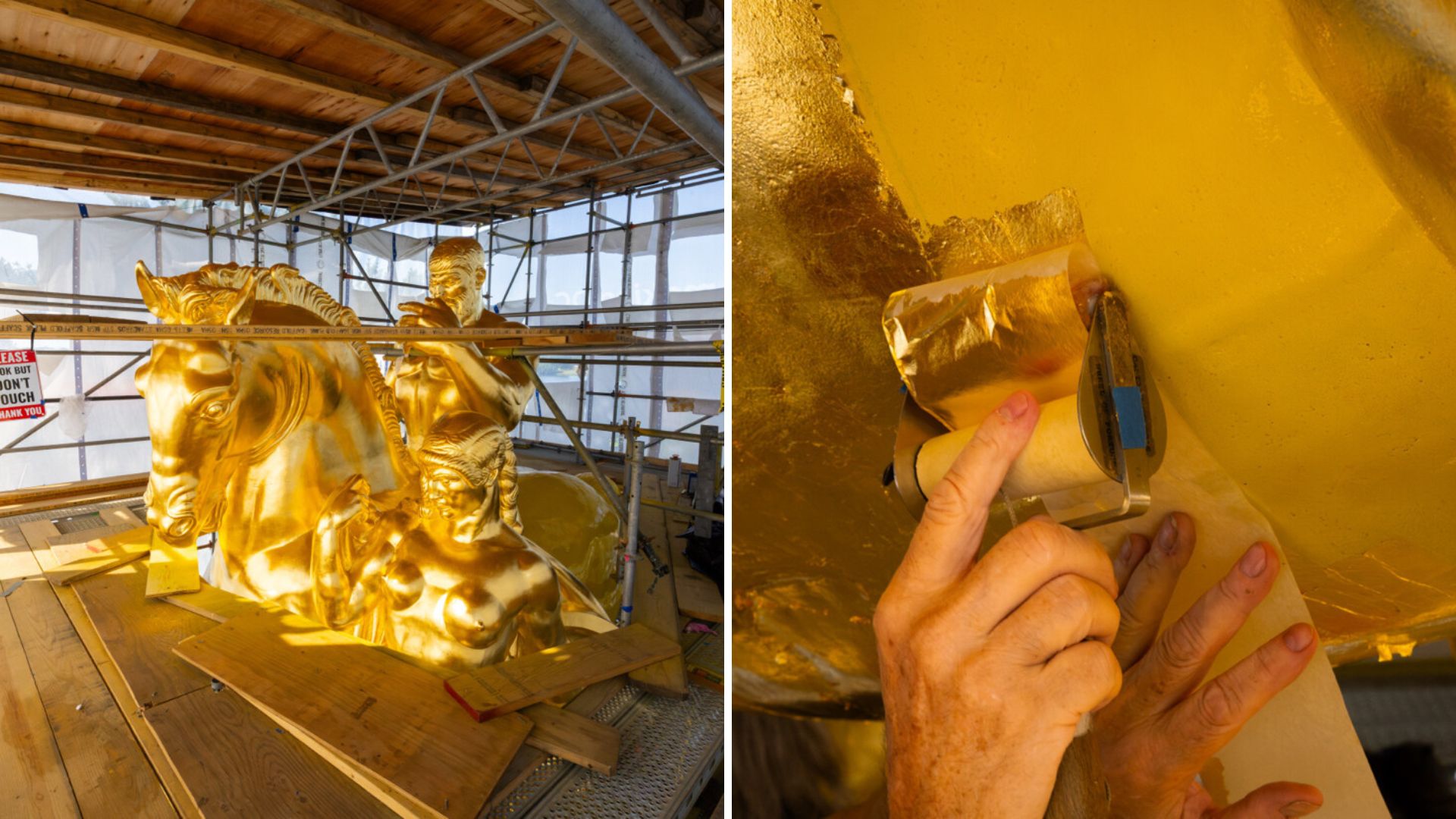
The techniques employed include a thorough preliminary assessment, anti-corrosion treatments, mechanical or chemical cleaning of surfaces, and the controlled application of gold leaf. Gilding, often perceived as purely an aesthetic choice, can also serve a protective function when carried out in accordance with heritage standards. However, gold leaf requires regular maintenance and compatibility testing with the underlying metal to prevent unwanted reactions. The companies involved must combine traditional craftsmanship (leaf gilding) with expertise in modern conservation.
A cost of 5 million: what is the money for? This budget covers several items: preliminary studies, salaries for specialized teams, materials (including gold leaf), equipment for working at heights, temporary site protection, insurance, and post-restoration inspections. Experts emphasize that preventive conservation can prevent even greater expenses in the future. Nevertheless, some economists and public officials question the timing and the place of this type of spending among other national budget priorities.
A Political and Symbolic Issue: Communication surrounding the project has clear political implications. The dissemination of images of gilded statues and the accompanying narrative transform a conservation effort into a showcase for public policy. For the administration, these projects are part of the “Make D.C. Safe and Beautiful” initiative and are preparing the city for the United States' 250th anniversary celebrations. For opponents, they embody a preference for costly symbolic gestures over investments deemed more urgent.
History and significance of the monuments: Created by renowned artists and installed in the mid-20th century, the “Arts of War” statues—including “Valor” and “Sacrifice”—play a powerful symbolic role in Washington's commemorative landscape. They were conceived within a specific artistic context, and their restoration also aims to respect the sculptors' original intent. Archival records document previous restorations, but the monuments' current condition has necessitated a more comprehensive intervention to ensure the works' long-term preservation.
Open Questions and Outlook
- Budgetary Priorities: Public discussion will need to assess whether this type of investment should be a top priority for federal spending.
- Transparency and Timeline: Clarifying the detailed costs and the timeline for the work will help address some criticisms.
- Future Maintenance: The initial restoration entails commitments to periodic maintenance that will need to be budgeted for over the long term.
Ultimately, the gilding of the statues in Washington blends heritage conservation, political communication, and societal choices regarding the use of public funds. Whether one views this work as a necessary act of preservation or a questionable expense, the project illustrates how appearance and public memory can become central issues for an administration. It remains to be seen what the technical quality of the work will be and what lasting impact these choices will have on the urban landscape and the collective perception of the capital.