
Trump Proposes 20% Toll as U.S. Becomes «The Guardian of the Hormuz Strait» and Oil Surges More Than 9%


/https%3A%2F%2Fcdn-tor.buminteractif.com%2F2026%2F07%2F14151303%2Ftrump-iran-hormuz-getty345345dfgdf345345345gd.jpg)
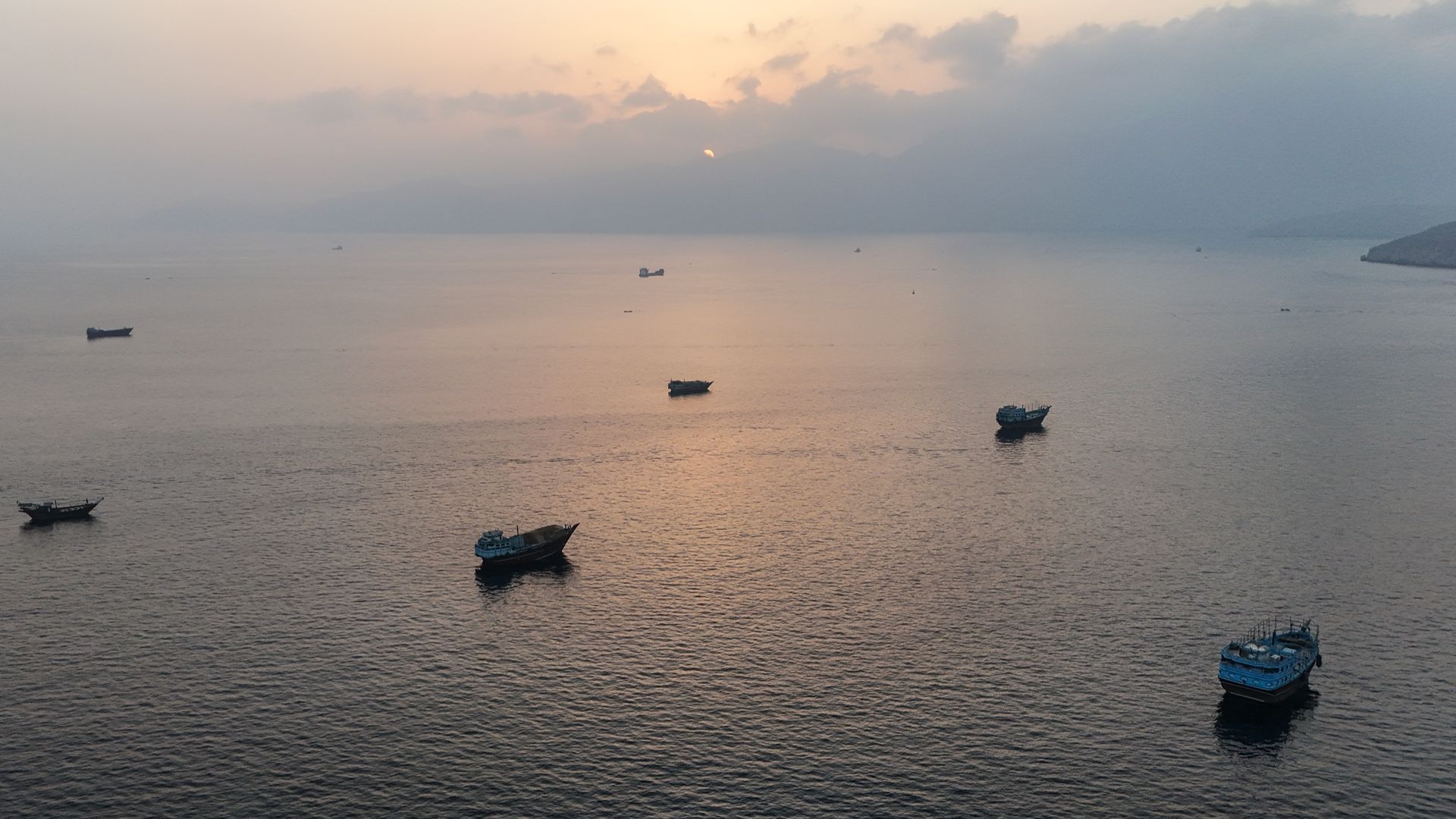
Donald Trump said in a recent Truth Social post that the United States should begin collecting a 20% fee on cargo moving through the Strait of Hormuz in exchange for protecting commercial traffic along one of the world's most critical energy routes. The proposal came after renewed military escalation between Washington and Tehran sent oil prices surging by more than 9%, deepening fears that the conflict could disrupt global supplies. Trump declared that maritime traffic would continue regardless of Iran's position, writing: «The Hormuz Strait is OPEN, and will remain OPEN, with or without Iran.» He also announced the return of what he described as a targeted restriction on Iranian shipping, adding: «We are reinstating the THE IRANIAN BLOCKADE, so named because it is only stopping Iran's ships or customers from entering or leaving.» The strait has increasingly become the central pressure point in the war involving the United States, Israel and Iran.
Trump then assigned the United States a permanent security role in the waterway, arguing that Washington should be financially compensated for protecting international shipping. Framing the fee as a question of fairness, he wrote: «All other countries will have fair and open use of the Strait. The U.S.A. will be, from this point forward, known as «THE GUARDIAN OF THE HORMUZ STRAIT,» but as such, and as a matter of FAIRNESS, will be reimbursed, at the rate of 20% on all cargo shipped, for any and all costs necessary to do the job of providing safety and security to this very volatile section of the World.» The proposal immediately drew anger from Trump's critics, who argued that commercial vessels had been able to navigate the passage safely before the United States and Israel launched their attacks against Iran several months earlier. They accused Trump of demanding payment to address dangers created by a conflict his administration helped initiate and later intensified.
«I don't want to deal with them anymore. They're scum… As far as I'm concerned, it's just a waste of time dealing with them. They're liars.»
-U.S. President, Donald Trump
The war has now entered another volatile phase following the collapse of a brief summer ceasefire and the return of direct maritime and aerial confrontations involving Iran, Israel and the United States. The latest escalation followed the breakdown of the June 17 peace memorandum signed in Versailles, which had temporarily reduced hostilities without resolving the central disputes between the governments involved. On July 8, the ceasefire effectively ended after Iran targeted several commercial oil and gas tankers in the Strait of Hormuz and asserted that ships required Tehran's explicit authorization to pass through the waterway. Trump responded by ordering a large wave of retaliatory airstrikes against more than 170 Iranian targets, including air-defense systems, radar installations and fast-attack boats. Iran then launched drones and missiles toward American bases in Bahrain and Kuwait, raising the possibility of a broader regional confrontation and placing global energy markets under renewed pressure.
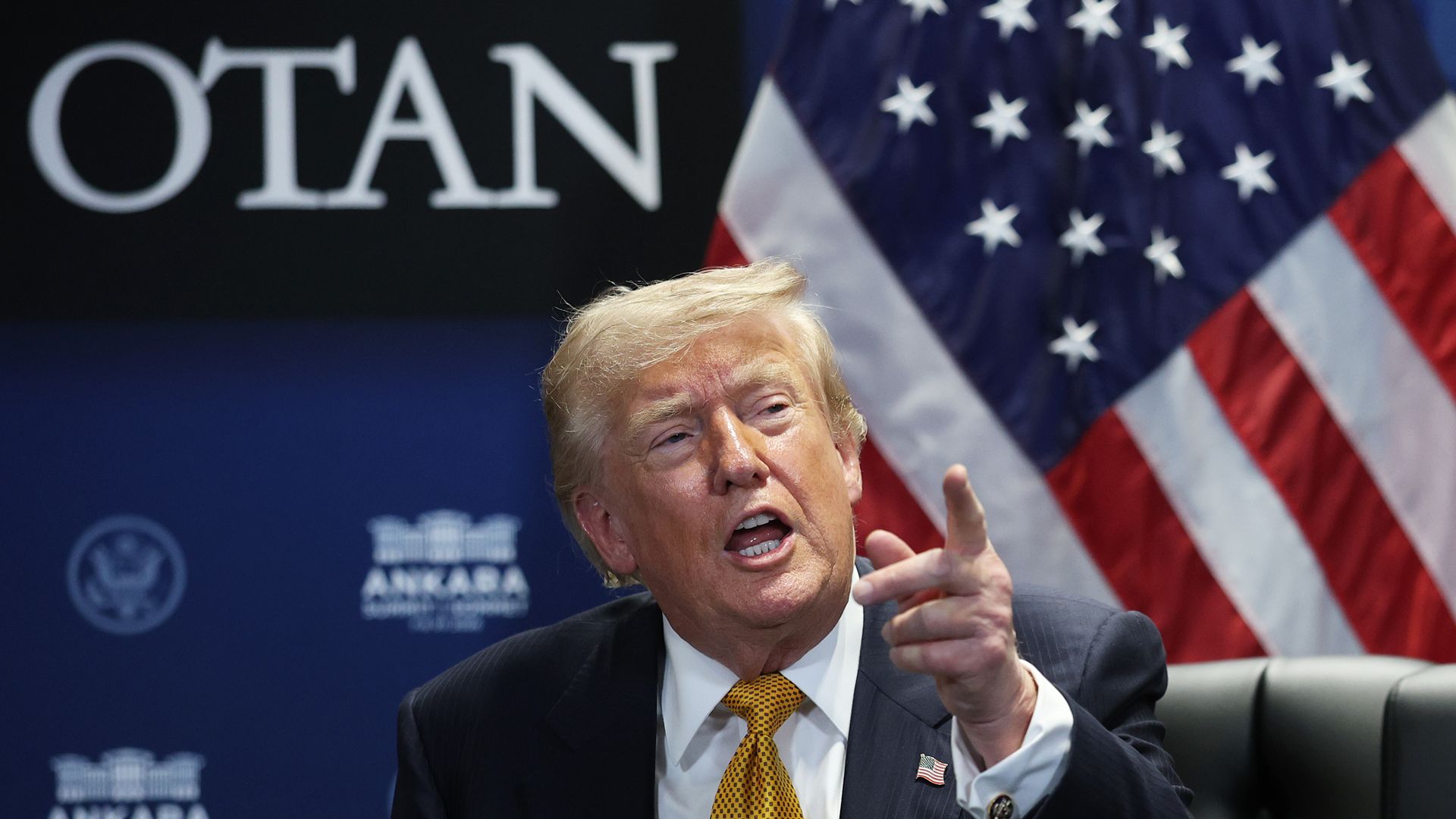
Speaking during the NATO summit in Ankara, Trump signaled that he no longer believed diplomacy with Tehran could produce any meaningful results. Visibly frustrated by Iran's decision to attack commercial shipping during the national mourning period following the death of the country's Supreme Leader, Trump questioned the judgment of Iran's leadership in unusually blunt terms. «There's something wrong with them. They're cuckoo… They're sick people. They're led by sick people, and they're vicious, violent people.» The comments reflected a dramatic hardening of the administration's public rhetoric as military operations intensified across the Gulf. Rather than suggesting another round of negotiations, Trump portrayed Iran's leadership as irrational and incapable of honoring previous agreements, reinforcing the White House's increasingly confrontational approach to the conflict.
Trump also made clear that he had little interest in reopening diplomatic channels despite international calls for de-escalation. Rejecting the possibility of further negotiations, he declared: «I don't want to deal with them anymore. They're scum… As far as I'm concerned, it's just a waste of time dealing with them. They're liars.» He simultaneously criticized some of his own supporters and conservative commentators who had argued that his military response should have been even stronger, dismissing those voices as «fools». The remarks underscored how the conflict has become both a foreign policy battle and a domestic political issue, with Trump facing pressure from different factions over how aggressively the United States should respond to Iranian actions while also defending his own handling of the rapidly expanding crisis.
«All other countries will have fair and open use of the Strait. The U.S.A. will be, from this point forward, known as «THE GUARDIAN OF THE HORMUZ STRAIT,» but as such, and as a matter of FAIRNESS, will be reimbursed, at the rate of 20% on all cargo shipped, for any and all costs necessary to do the job of providing safety and security to this very volatile section of the World.»
-U.S. President, Donald Trump on Truth Social
The renewed fighting has once again placed the Strait of Hormuz at the center of global attention because of its critical role in international energy markets. Roughly one-fifth of the world's seaborne oil exports normally passes through the narrow waterway, making any disruption capable of sending immediate shockwaves through commodity markets. Investors reacted swiftly to the latest exchange of military strikes, driving oil prices up by more than 9% as concerns mounted over potential supply interruptions and broader instability across the Gulf. Against that backdrop, Trump's proposal to transform the United States into «THE GUARDIAN OF THE HORMUZ STRAIT» while charging a 20% fee on all cargo passing through the corridor is likely to remain one of the most controversial elements of his latest Middle East strategy, fueling intense political debate both in Washington and among America's international allies.
Created by humans, assisted by AI.
 How would the $300G fund from the Iran deal be structured?
 Trump warns reporters: “If I go, you go” as Iran threat forces plane change