
Trump, the Strike on South Pars, and the Risks of Escalation: Analysis and Implications


/https%3A%2F%2Fcdn-tor.buminteractif.com%2F2026%2F03%2F19190124%2Ftrump-iran-netanyahu-attack-getty34653gd345bhdf23.jpg)
Background and Statement
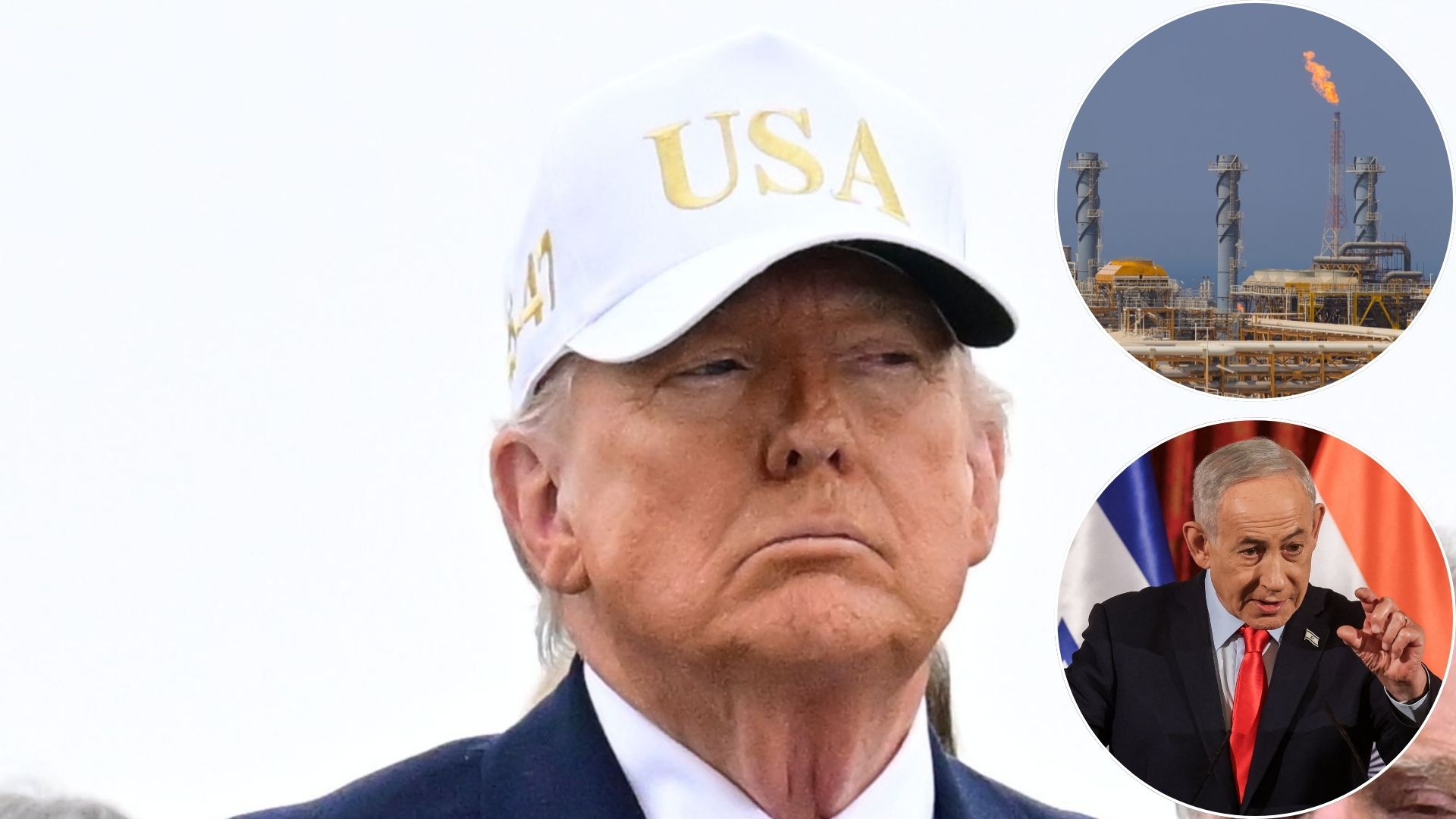
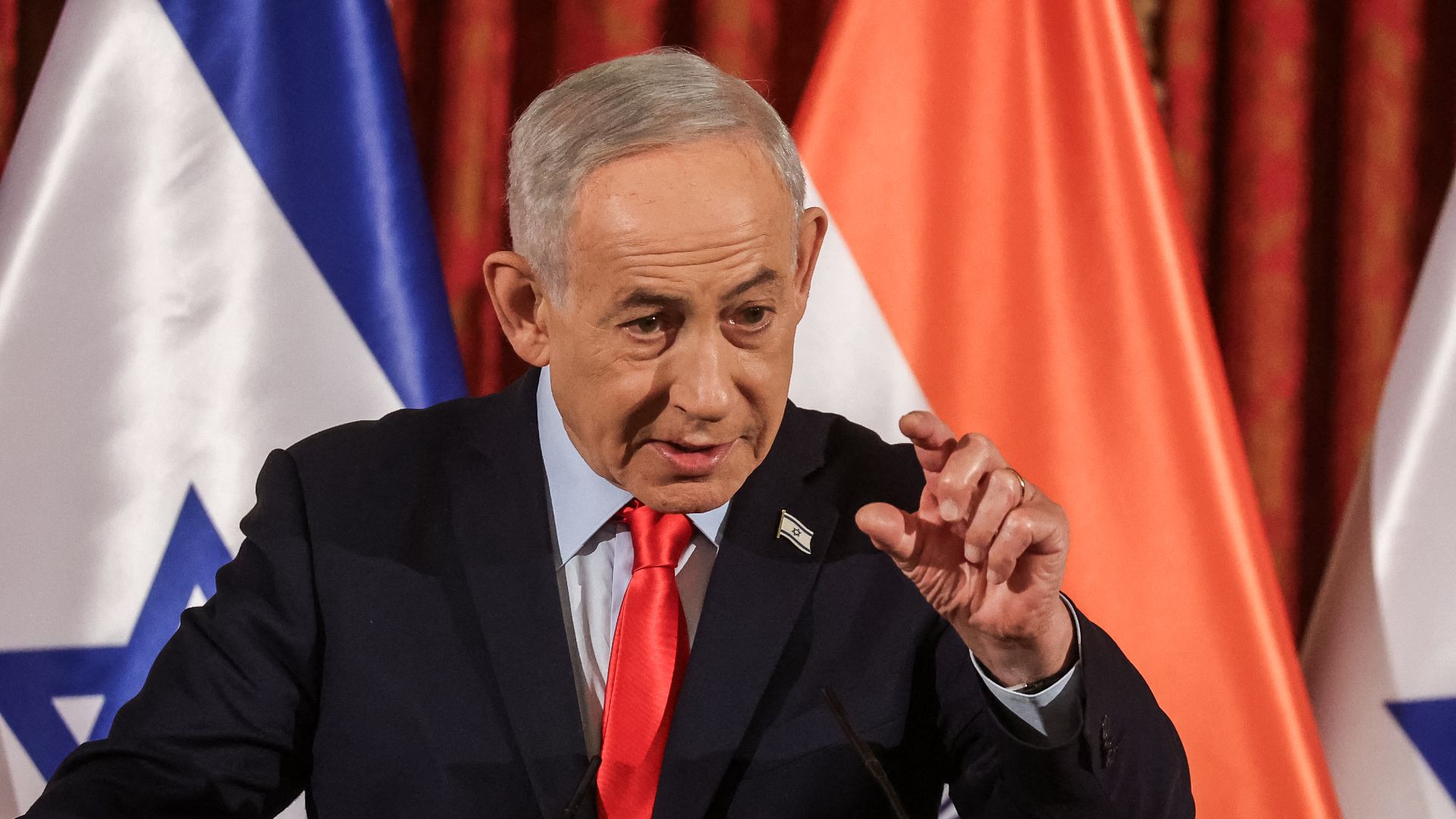
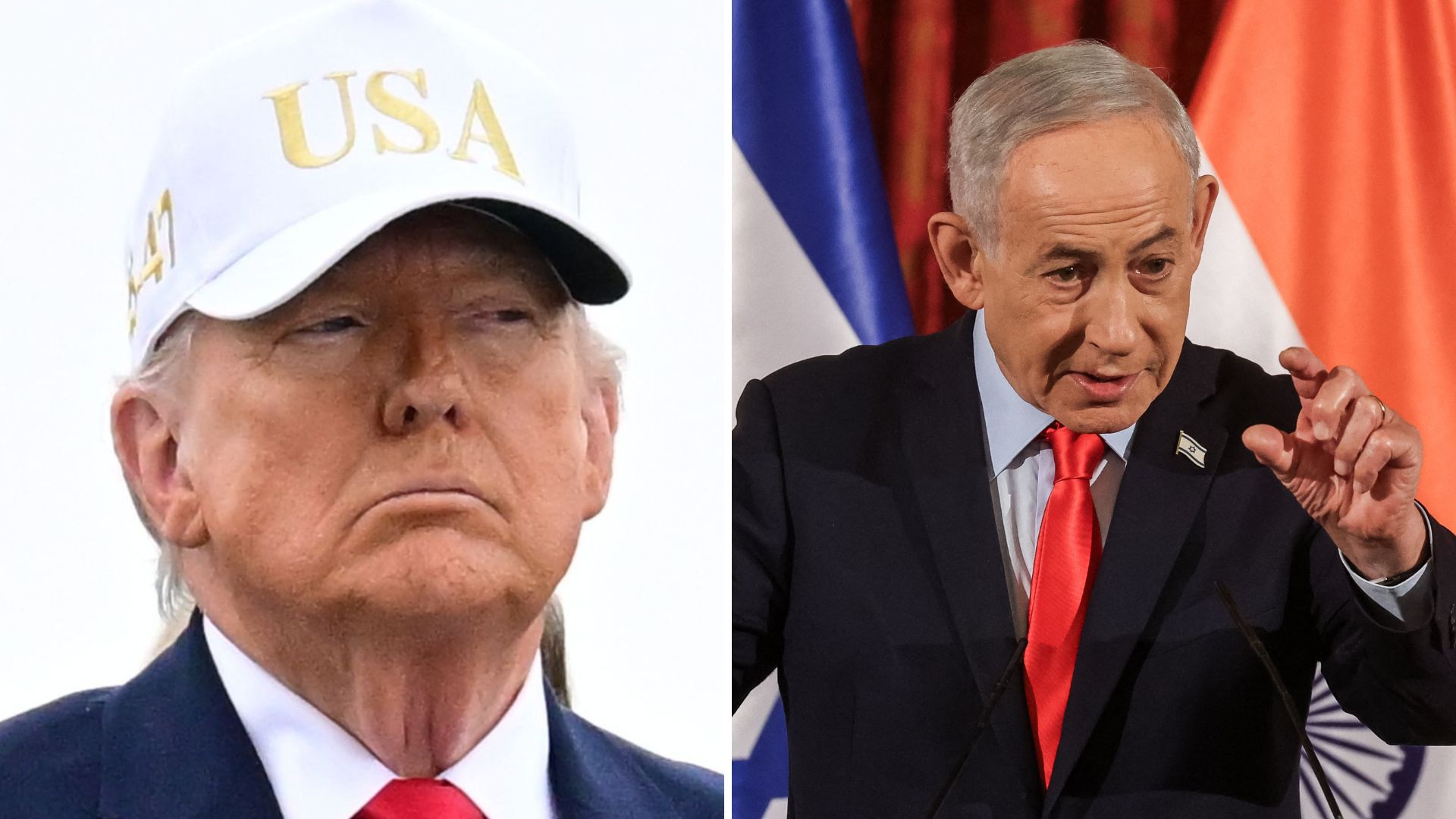
In a lengthy message posted on his platform, Donald Trump reacted strongly to the strike attributed to Israel against a portion of Iran's giant South Pars gas field. He described the operation as an act “in a fit of anger” and took care to deny any direct U.S. involvement, asserting that Washington had “no role, in any way, in any form.”
At the same time, he issued an unequivocal warning: if attacks targeting Qatar's liquefied natural gas (LNG) were to occur again, the United States could retaliate on a massive scale, including against the South Pars facilities.
Why this statement is important
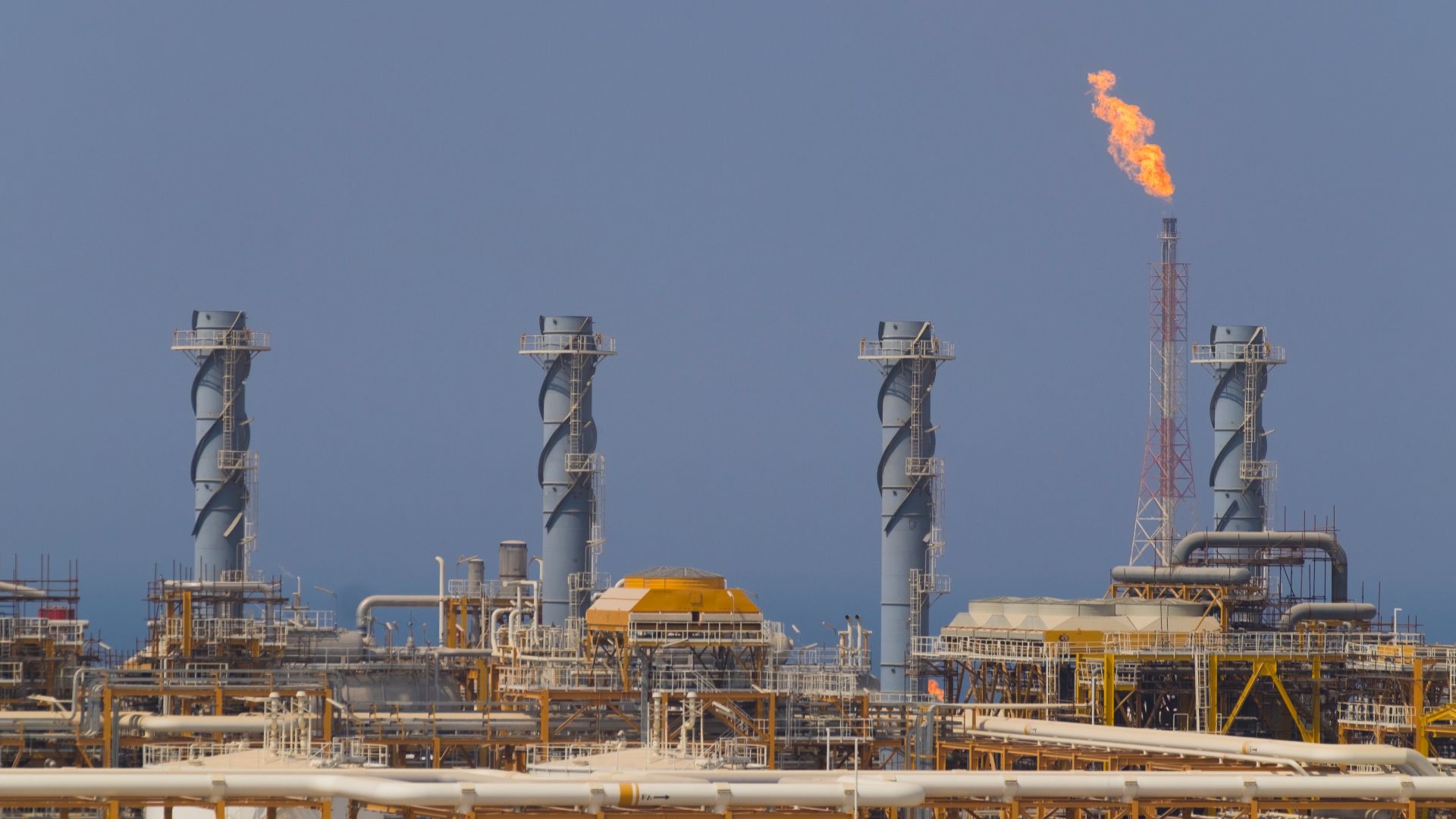
The scope of Trump's message goes beyond simply condemning an attack: it presents regional and global actors with difficult choices. South Pars is one of the world's largest natural gas fields and is of strategic importance for regional and global energy supplies. An attack on this infrastructure could cause fluctuations in energy markets, but more importantly, it could trigger an unpredictable chain of retaliation.
Key takeaways
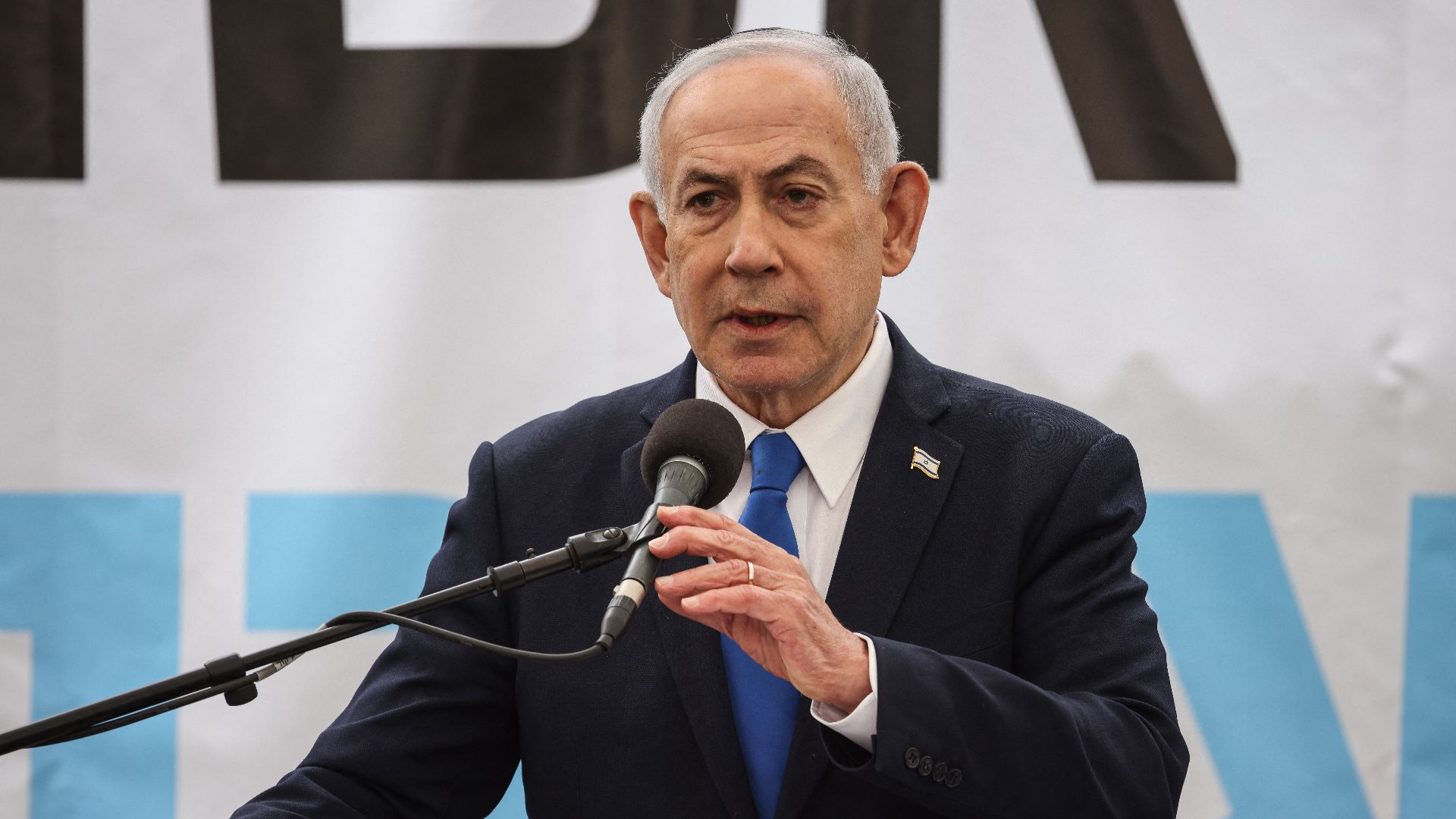
- Trump accuses Israel of acting “in a fit of anger,” suggesting that the operation was not a large-scale coordinated maneuver but an emotional reaction.
- He denies any U.S. knowledge or involvement, aiming to distance Washington from a new regional escalation.
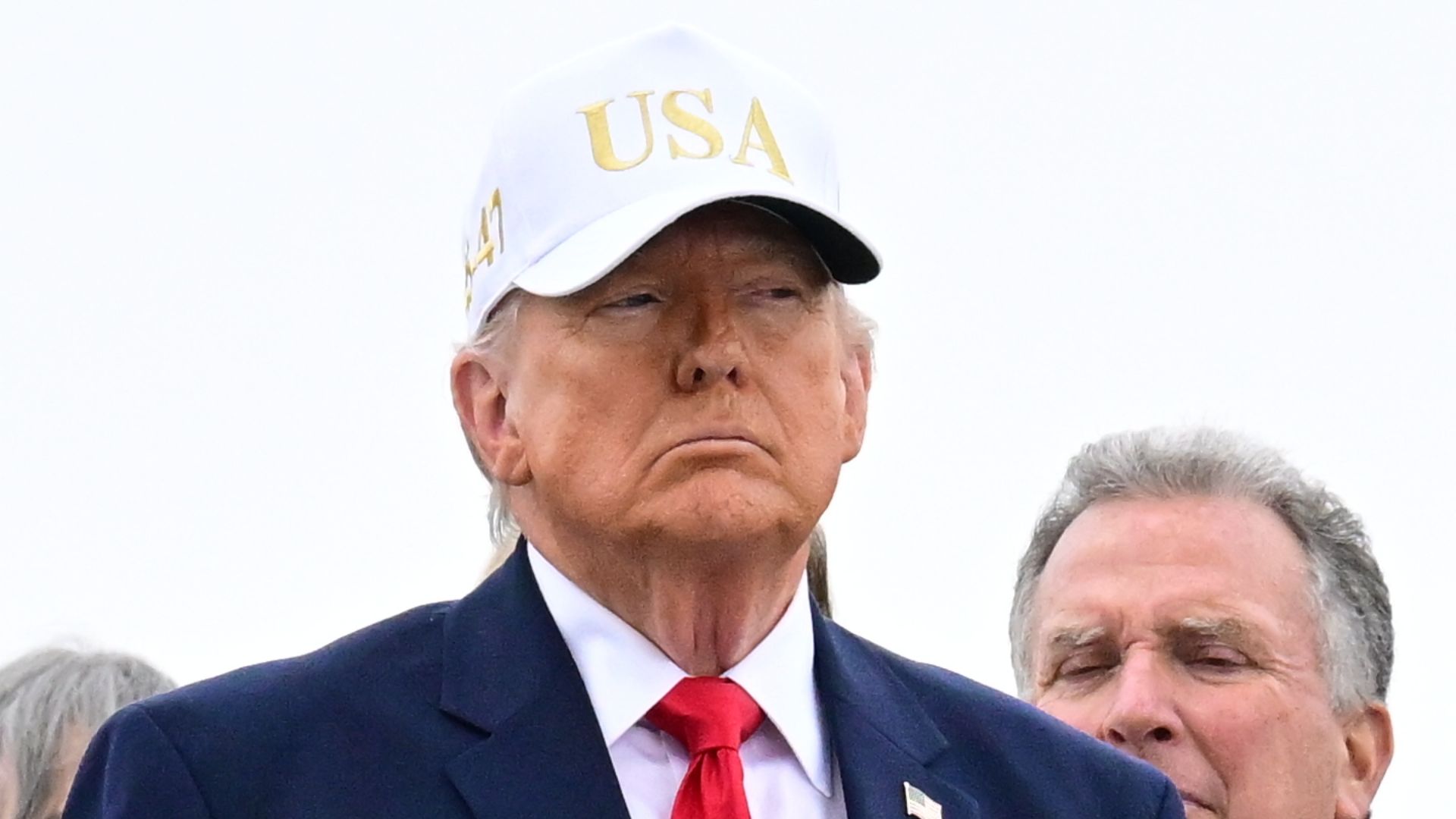
- He warns against any new attack on Qatari LNG, promising a potentially devastating U.S. response against South Pars if Qatar is targeted again.
- He implies, however, that he would prefer to avoid such destruction, noting that the threat is conditional only on further aggression.
Risks of escalation and miscalculations
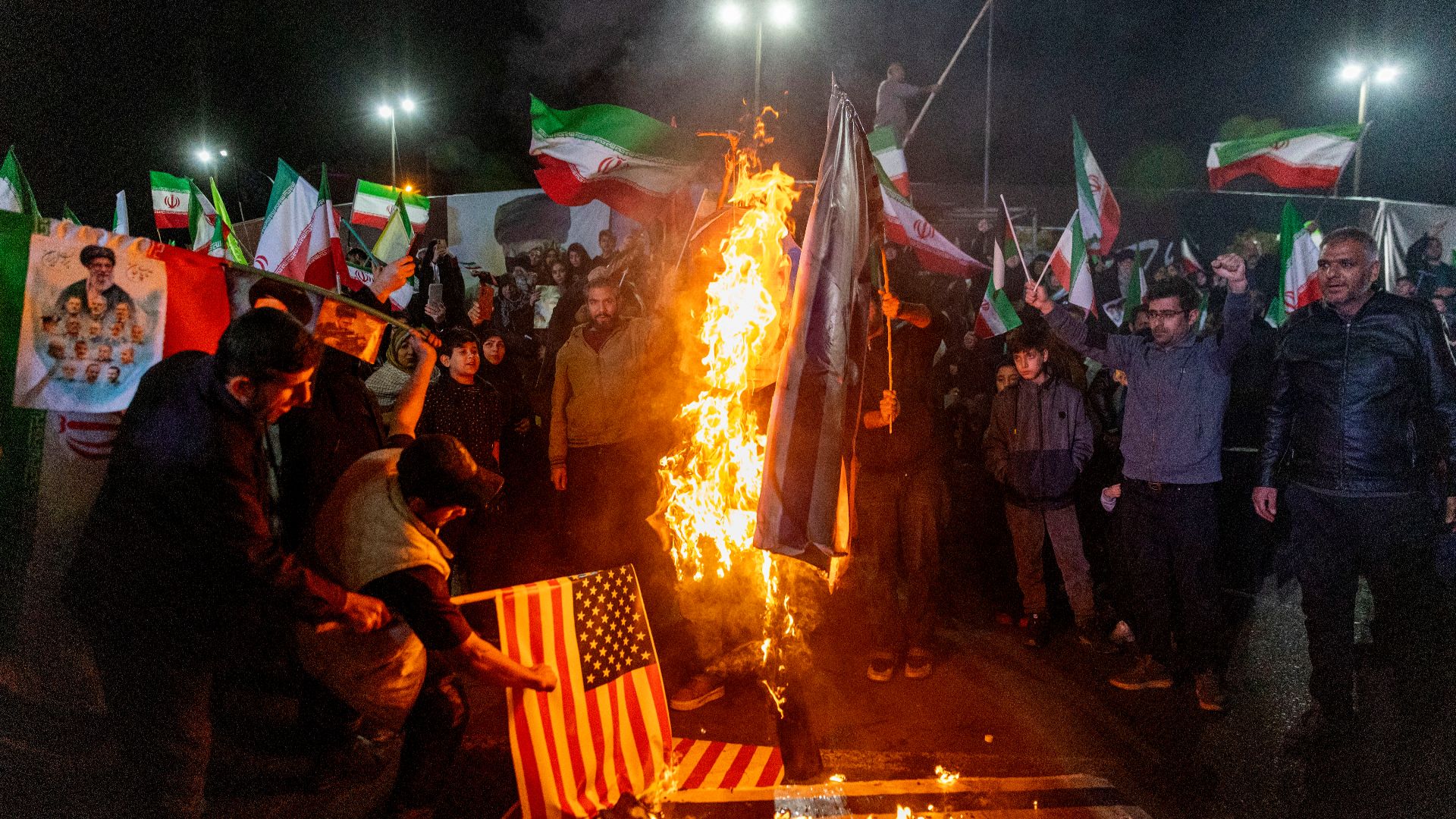
A simultaneous or staggered military response among multiple actors (Israel, Iran, the United States, Gulf states) carries a high risk of miscalculation. Command chains, observation delays, and disinformation can turn a limited strike into a broader conflict. Trump also raises the possibility of chain reactions and errors in judgment—for example, an Iranian retaliation mistaken for an attack directed against an innocent third party such as Qatar.
Energy and Diplomatic Dimensions
Beyond the military aspect, a strike on South Pars impacts the global energy economy. Qatar is a major exporter of LNG; any disruption could affect prices and energy security, particularly in Europe and Asia. On the diplomatic front, the situation underscores the urgency of establishing a direct communication channel between regional actors and international partners to avoid misunderstandings and prevent the conflict from spreading.
What options are available to defuse the crisis?
- Strengthening discreet diplomatic channels: bilateral communication between Washington, Tehran, Doha, and Jerusalem to clarify intentions and avoid hasty interpretations.
- Military transparency mechanisms: observing and sharing technical information to confirm responsibility and the scope of incidents.
- Involvement of regional and international mediators: the UN, the EU, or neutral actors can act as intermediaries to reduce tensions.
- Targeted economic measures and calibrated sanctions rather than uncontrolled strikes, to limit collateral damage and preserve civilian infrastructure.
Conclusion
Trump's message is both an attempt to distance himself from military operations on the ground and an explicit warning that further complicates the strategic landscape. While rhetoric can sometimes serve as a deterrent, words alone are not enough to contain the dynamics of escalation. Sustained diplomatic efforts and careful management of communication between states will be required to prevent a spiral of confrontations with severe consequences, both human and energy-related.
Ultimately, the situation remains fragile: public statements must be followed by concrete initiatives aimed at reducing the likelihood of a conflagration. The coming days will be decisive in determining whether regional actors will prioritize de-escalation or move toward a broader confrontation.
