
Trump’s Second Hormuz Crisis Worries Experts With 1 Billion Barrels Already Lost to Iran War


/https%3A%2F%2Fcdn-tor.buminteractif.com%2F2026%2F07%2F15185904%2Ftrump-hormuz-getty-345345gdfg.jpg)
Energy experts are warning that another prolonged disruption in the Strait of Hormuz could expose how dangerously weakened the global oil system has become after months of war between the United States and Iran. Data released by international energy institutions and estimates from leading petroleum executives indicate that more than 1 billion barrels of expected oil supply have already disappeared since the conflict began. The figure represents crude that would normally have been produced, transported or refined but never reached global markets because of interrupted output and shipping paralysis. The International Energy Agency has described the crisis as the most severe oil-supply disruption ever recorded, while Saudi Aramco CEO Amin Nasser and Shell CEO Wael Sawan have separately warned that the deficit will not be quickly repaired even if regular tanker traffic resumes. Their assessments have intensified concern that a second major Hormuz shutdown could overwhelm reserves that previously protected consumers from the conflict's full economic impact.
The enormous shortfall accumulated as one of the world's most important maritime energy corridors repeatedly became inaccessible to commercial traffic. Before the war, the Strait of Hormuz normally carried between 14 million and 20 million barrels of oil each day, connecting Gulf producers with customers across Asia, Europe and North America. During the worst stages of the disruption, the number of crude tankers crossing the passage reportedly fell from nearly 100 per day to fewer than one, temporarily removing an estimated 10 million to 14 million barrels of daily supply from normal trade. Compounded across several months of fighting, failed ceasefires and shipping restrictions, those losses created a deficit exceeding the equivalent of 10 days of total worldwide oil production. Experts fear the renewed crisis could accelerate that depletion precisely when emergency reserves, alternative pipelines and commercial inventories have far less capacity to compensate than they did during the conflict's opening weeks.
«America is WINNING again, winning like never before. The days of Iran killing hundreds of thousands of people, including 52,000 protestors, are OVER and, most importantly, IRAN WILL NEVER HAVE A NUCLEAR WEAPON!»
-U.S. President, Donald Trump on Truth Social
The latest danger emerged after a fragile maritime ceasefire collapsed amid renewed missile exchanges and American strikes against Iranian nuclear facilities, including sites at Natanz and Fordow. Iran responded by moving to block non-Iranian transit through the strait, immediately reigniting fears that physical energy flows could again fall by millions of barrels per day. Brent crude jumped approximately 4% to $87.20 per barrel following the announcement, remaining below the March war peak of between $118 and $126 but signaling that traders were rapidly rebuilding a risk premium around the passage. The threat extends beyond crude oil because roughly one-fifth of global liquefied natural gas shipments also move through Hormuz. Missile damage affecting Qatar's Ras Laffan Industrial Complex and the resulting force majeure declarations added another layer of uncertainty, raising the possibility that the renewed confrontation could simultaneously tighten global oil, gasoline, diesel and natural-gas supplies.
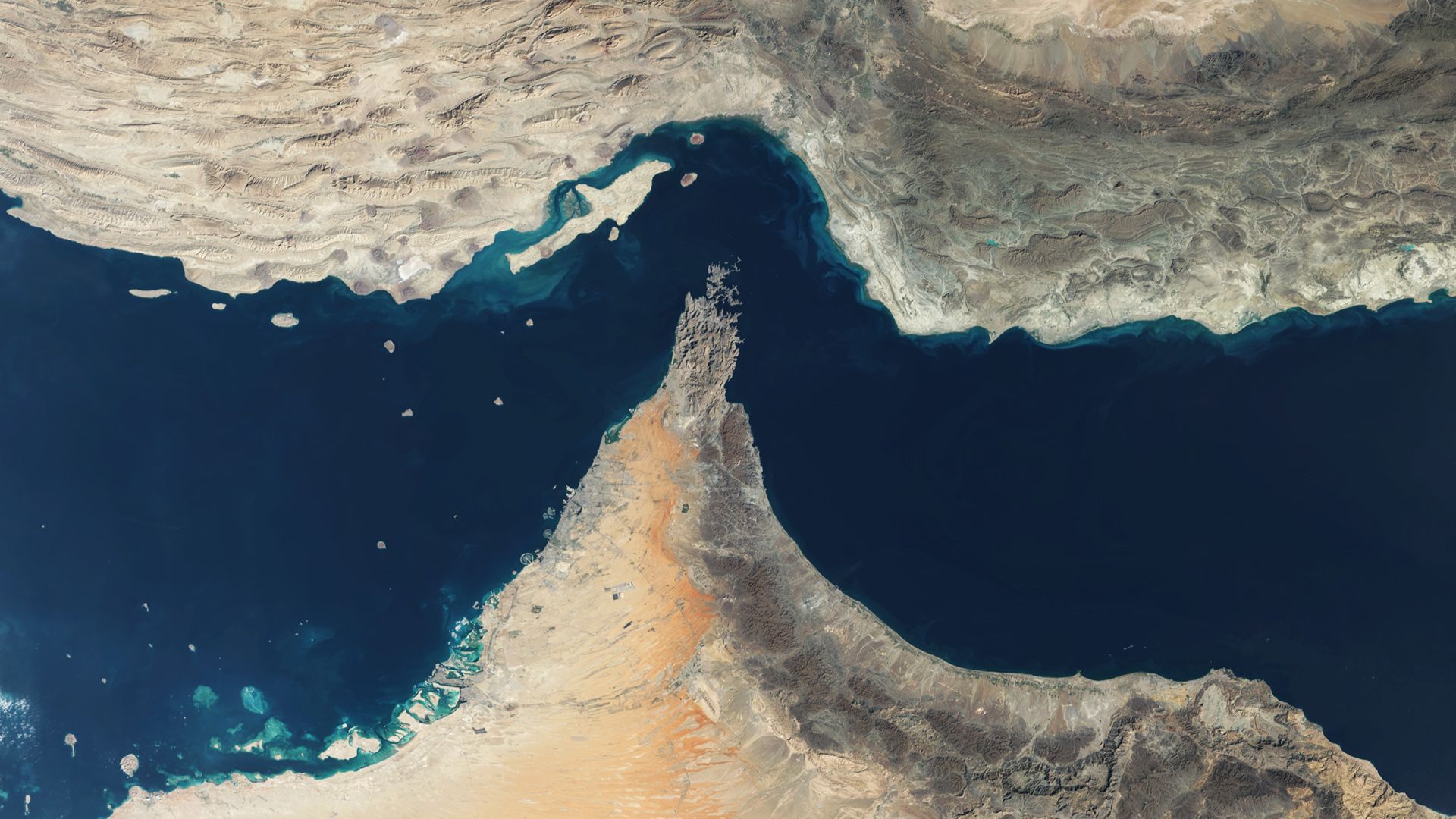
The mounting supply losses have also exposed how little emergency capacity remains to cushion another prolonged disruption. Earlier in the conflict, member countries of the International Energy Agency released roughly 400 million barrels from strategic emergency reserves in an effort to stabilize markets, but approximately three-quarters of that volume has already been exhausted. At the same time, the U.S. Strategic Petroleum Reserve has fallen to about 415 million barrels, prompting analysts to warn that Western governments now have far less flexibility than they did during previous energy crises. Refining capacity has also come under pressure, with global gasoline and diesel production declining by more than 5 million barrels per day. Major Asian importers have felt the impact particularly hard, as crude shipments into China and Japan have reportedly dropped by roughly 40%, illustrating how the disruption has extended well beyond the Persian Gulf and into the broader global economy.
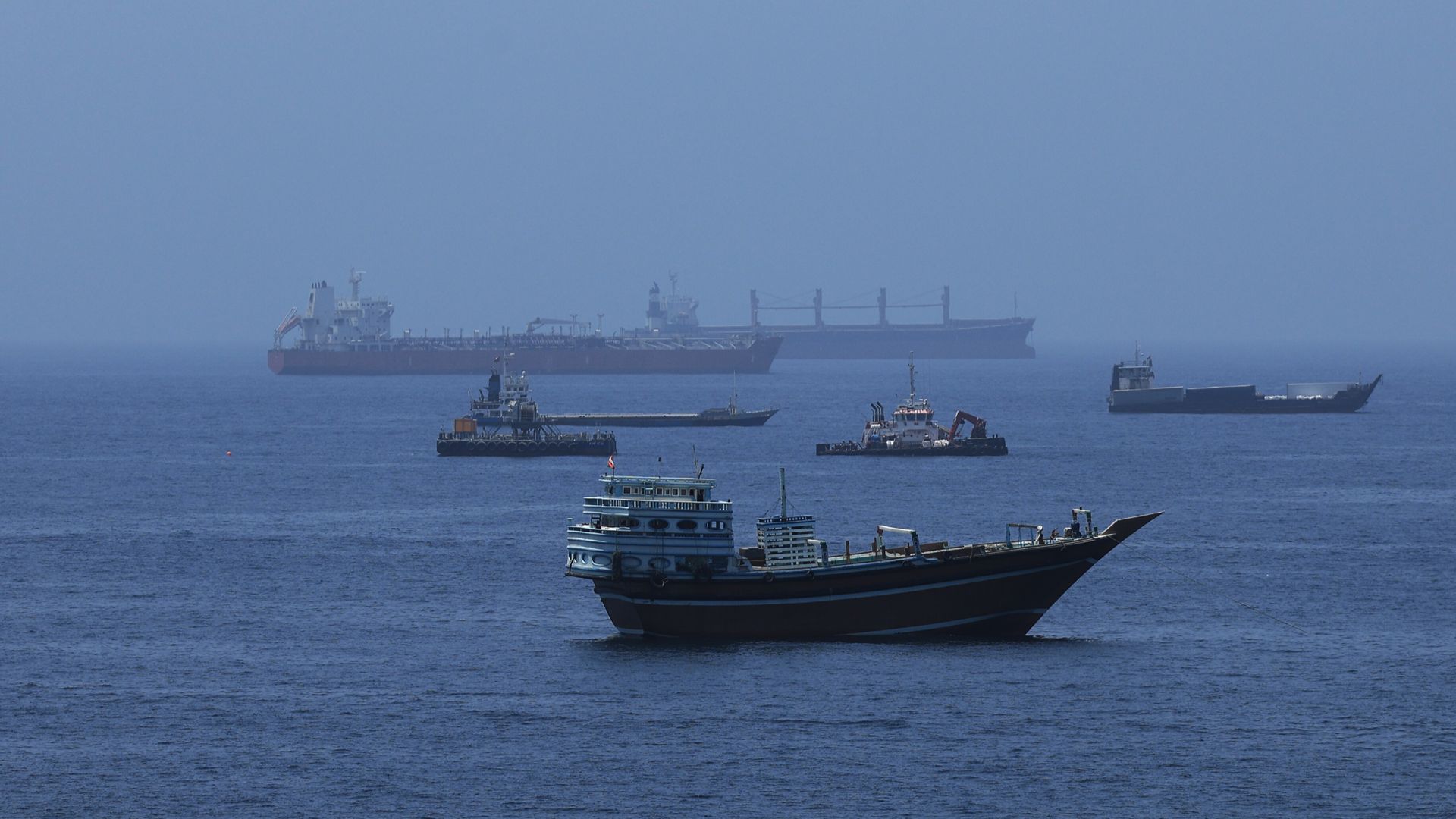
Adding to the uncertainty, Donald Trump initially announced on Truth Social that the United States would assume responsibility for protecting maritime traffic through the strategic waterway while seeking financial compensation from international shipping partners. He wrote: «The Hormuz Strait is OPEN, and will remain OPEN, with or without Iran. We are reinstating the THE IRANIAN BLOCKADE, so named because it is only stopping Iran's ships or customers from entering or leaving. All other countries will have fair and open use of the Strait. The U.S.A. will be, from this point forward, known as “THE GUARDIAN OF THE HORMUZ STRAIT,” but as such, and as a matter of FAIRNESS, will be reimbursed, at the rate of 20% on all cargo shipped, for any and all costs necessary to do the job of providing safety and security to this very volatile section of the World. The process and formation will begin immediately.» Within hours, however, Trump abandoned the proposed reimbursement fee, later announcing: «Oil is flowing like never before, thanks to the awesome Power of the United States Military. A special salute to Secretary of War, Pete Hegseth, Chairman of the Joint Chiefs of Staff, Dan Caine, and Commander of the United States Central Command, Admiral Brad Cooper. Because of them, and all members of the Most Powerful Military anywhere in the World, BY FAR, the Strait of Hormuz is open to ALL Ship traffic except for Iran — and that is because of their lying, violent, malicious leadership, which is taking them down the path of TOTAL DESTRUCTION. We will therefore have a FULL Blockade, but only on Ships coming to and from Iranian ports, or carrying anything have to do with Iranian cargo. Based on highly productive conversations with Middle East leadership, I have decided to replace the 20% United States Reimbursement Fee with Trade and Investment Deals that the various Gulf States will be making into the United States.»
«Oil is flowing like never before, thanks to the awesome Power of the United States Military.»
-U.S. President, Donald Trump on Truth Social
Despite Trump's assurances, many analysts remain skeptical that commercial shipping can quickly return to normal. The U.S. Energy Information Administration has long noted that overland pipelines connecting Saudi Arabia and the United Arab Emirates to the Red Sea can only replace a fraction of the oil that normally moves through the Strait of Hormuz. Those alternative routes have themselves become increasingly vulnerable as Houthi attacks continue threatening Red Sea shipping, while marine insurers have sharply increased war-risk premiums or stopped providing coverage altogether for vessels entering the Persian Gulf. Trump concluded his latest Truth Social posts by writing: «Those Investments will be MASSIVE but, at the same time, extraordinarily good for them, and their future. As everyone is aware, we have the largest Dollar Investment into the United States, of any Country in History, but these new Investments will make that Number even larger, and we will see Factories, Plants, and Equipment pour into the United States at Historic levels, which will create additional millions of High Paying AMERICAN Jobs!» He added: «America is WINNING again, winning like never before. The days of Iran killing hundreds of thousands of people, including 52,000 protestors, are OVER and, most importantly, IRAN WILL NEVER HAVE A NUCLEAR WEAPON!»
Created by humans, assisted by AI.
 Trump proposes 20% toll as US becomes 'the guardian of the Hormuz Strait' and oil surges more than 9%
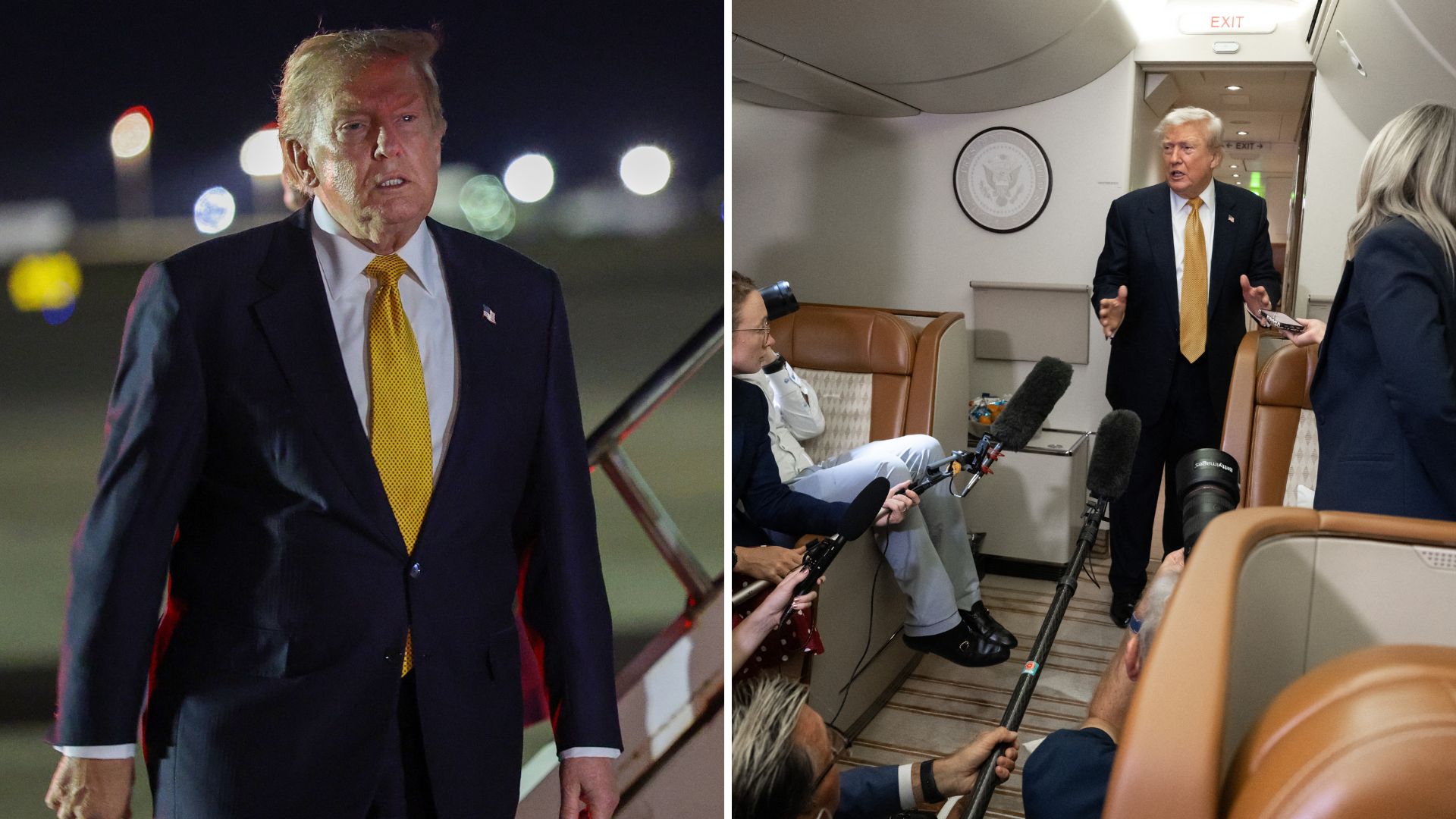 Trump says “If I go, you go” to reporters amid fears Iran could target new Air Force One