


/https%3A%2F%2Fcdn-tor.buminteractif.com%2F2026%2F06%2F10200305%2FGettyImages-2257696976.jpg)
The United Nations High Commissioner for Human Rights has accused the United States of worsening Cuba's humanitarian crisis through a growing sanctions regime that he says is breaching international law. The statement claimed that the United States is harming ordinary civilians by restricting access to food, medicine and basic services. In a statement released June 9, UN human rights chief Volker Türk warned that fuel restrictions imposed earlier this year, combined with additional sanctions introduced in May, have dramatically intensified economic hardship across the island. Türk said the measures have hit Cuba's most vulnerable residents particularly hard and have contributed to worsening conditions in hospitals, food production systems and critical infrastructure.
Conditions seriously worsening in Cuba
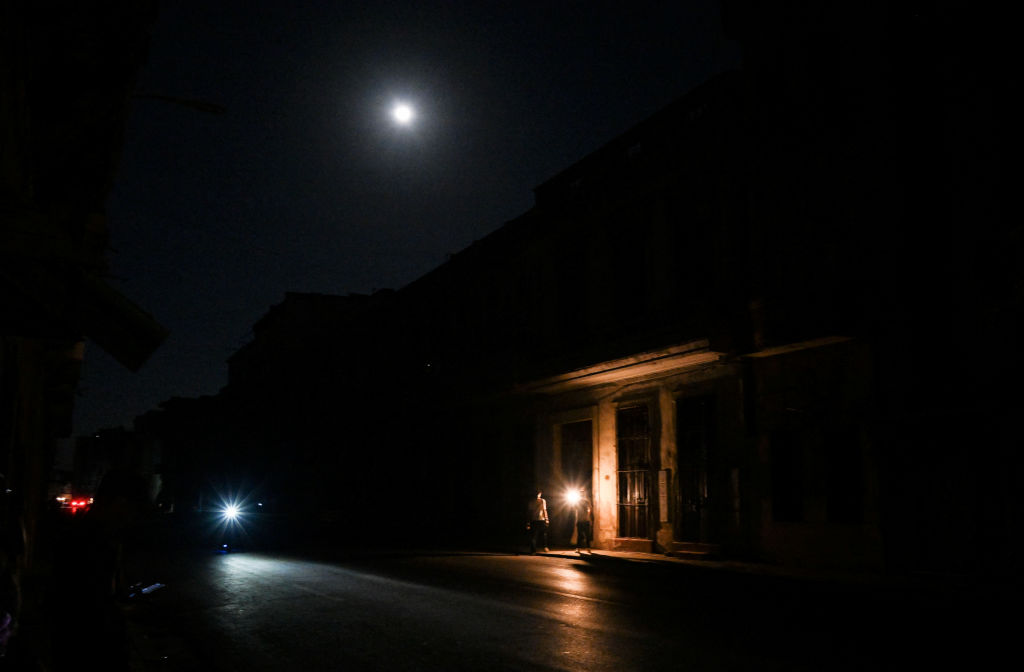
According to the announcement, conditions across Cuba have deteriorated rapidly since Washington declared the country a ‘national emergency' in January 2026. The decision has disrupted fuel shipments to the island and accelerated the decline of Cuba's already strained oil reserves. By mid-May, daily power outages regularly exceeded 20 hours in densely populated areas of Cuba. The outages have created serious challenges for households, businesses, and public institutions. The latest package of sanctions expanded restrictions beyond just the US by targeting traders, insurers, shipping companies and financial institutions. UN officials claim those strong-arm measures have even further reduced access to essential goods and services throughout the country.
“The fuel restrictions imposed since early 2026 and recent tightening of extraterritorial sanctions, taken together, are directly harming Cubans, especially the most vulnerable.”
-Volker Türk
According to the UN human rights office, conditions in Cuba have deteriorated rapidly since Washington declared a national emergency in January. The move disrupted fuel shipments to the island and accelerated the decline of Cuba's already strained oil reserves. By mid-May, daily power outages regularly exceeded 20 hours in many parts of the country, creating major challenges for households, businesses and public institutions. The latest sanctions package expanded restrictions beyond direct dealings with Cuba by targeting traders, insurers, shipping companies and financial institutions. UN officials say those measures have further reduced access to essential goods and services throughout the country.
UN human rights chief criticizes US
UN human rights chief Volker Türk painted a grim picture of the humanitarian consequences of the US's actions. Türk claimed that the restrictions are directly harming Cuban citizens. Türk argued that the restrictions have affected virtually every aspect of daily life on the island, meaning the US is breaching United Nations laws. As fuel shortages have worsened, transportation systems struggled, supply chains became increasingly unreliable and public services faced mounting disruptions. The human rights office warned that ordinary Cubans now bear the heaviest burden of policies intended to pressure the country's government.
Alarming findings from UN report
Among the most alarming findings included in the report were figures relating to children's health. According to the UN human rights office, infant mortality has doubled to 9.9 deaths per 1,000 births since Donald Trump's aggressive sanctions. Officials also reported a sharp decline in childhood cancer survival rates, which have fallen from 85 per cent to 65 per cent. At the same time, essential medicines remain available at only about 30 per cent of normal supply levels. Türk directly linked those shortages to the broader sanctions environment.
Children are dying because doctors lack access to essential medical supplies and medicines. This is unacceptable,
Volker Türk
The crisis has also spread into Cuba's food system. Fuel shortages have significantly impacted agricultural production, reducing food output by roughly 60 per cent according to the UN. As production declined, food prices climbed sharply, placing additional pressure on families already struggling with shortages and inflation. The human rights office warned that declining food availability threatens to worsen living conditions even further if current trends continue. For many Cubans, access to basic necessities has become increasingly difficult as fuel scarcity affects transportation, farming operations and the delivery of goods throughout the island.
This creates a perfect storm for social and economic deterioration and suffering for the Cuban people,
Volker Türk
Conditions worsening not improving
According to the UN, conditions may deteriorate even further in the coming months. Rising summer temperatures may increase the spread of waterborne and vector-borne diseases, while the approaching hurricane season creates additional risks for vulnerable communities. The summer will also increase Cuba's reliance on electricity as air conditioning, fans, and cooling systems all come into effect as the country prepares for summer. The UN has called on international businesses to resist disengagement from Cuba, and has also urged Cuban authorities to prioritize civil liberties and exercise restraint. The UN also urged Cuba to release all prisoners detained arbitrarily. With consistent anti-government protests in Cuba, the country's prison system has filled, creating more health risks. For now, the UN is warning that millions of Cubans are becoming victims of a serious humanitarian emergency caused by the US and Donald Trump.
 Canadian military taking drone warfare seriously: report
 Cuba in full crisis: US targets Cuban officials