


/https%3A%2F%2Fcdn-tor.buminteractif.com%2F2026%2F06%2F01015736%2FGettyImages-2281300911-1.jpg)
Yann LeCun, a leading figure in artificial intelligence, recently leveled harsh criticism at xAI, Elon Musk's company, while issuing a broader warning about the existence of a possible financial bubble in the AI sector. His remarks, which address both technical and economic issues, call for a nuanced examination of the strengths and weaknesses of a rapidly expanding market.
To put things in perspective: LeCun isn't just talking about a product that doesn't work. He's highlighting critical human and financial issues. According to him, xAI is struggling to attract and retain top-tier engineers and researchers—a factor that, in a field where expertise is scarce, could prove decisive.

Several key points emerge from the statements and the context surrounding xAI:
- Loss of talent: LeCun points out that many of the original leaders have left the company and that the difficulty in recruiting top-tier talent is undermining the competitiveness of an organization that claims to rival OpenAI, Google, or Anthropic.
- Reputation and internal culture: According to him, the way certain members were treated has damaged the company's reputation within the scientific community.
- Infrastructure and business model: xAI reportedly relies on leasing infrastructure to offset its costs, raising questions about the viability of a model dependent on economies of scale or immediate revenue.
- Bubble risks: LeCun warns against a race toward massive investments—in data centers, specialized chips, and energy—that may not yield proportionate returns in the short or medium term.

The bubble metaphor is useful: it evokes a rapid rise in valuations and spending, driven by optimistic expectations of future returns. In AI, these expectations have pushed companies to invest tens or even hundreds of billions, with no immediate guarantee of profitability. LeCun therefore questions the economic rationale behind these commitments.
In practical terms, what does this warning mean for the players involved? Several scenarios are plausible:
- Consolidation: Smaller or more vulnerable players could be acquired or merge to pool costs and talent.
- Investment reorientation: Venture capitalists and public investors might prioritize projects with faster revenue growth trajectories.
- Stabilization: Companies that strike a balance between innovation and business model could emerge stronger if the market corrects the excesses.

We must also put the exchanges between LeCun and Musk into context. The two men have held divergent views for years: Musk is concerned about the potential risks of highly advanced AI and advocates for safeguards, while LeCun, who is more engineering-focused, often downplays doomsday scenarios and emphasizes scientific rigor. Their dispute is not merely personal; it reflects broader debates on AI governance, safety, and economics.
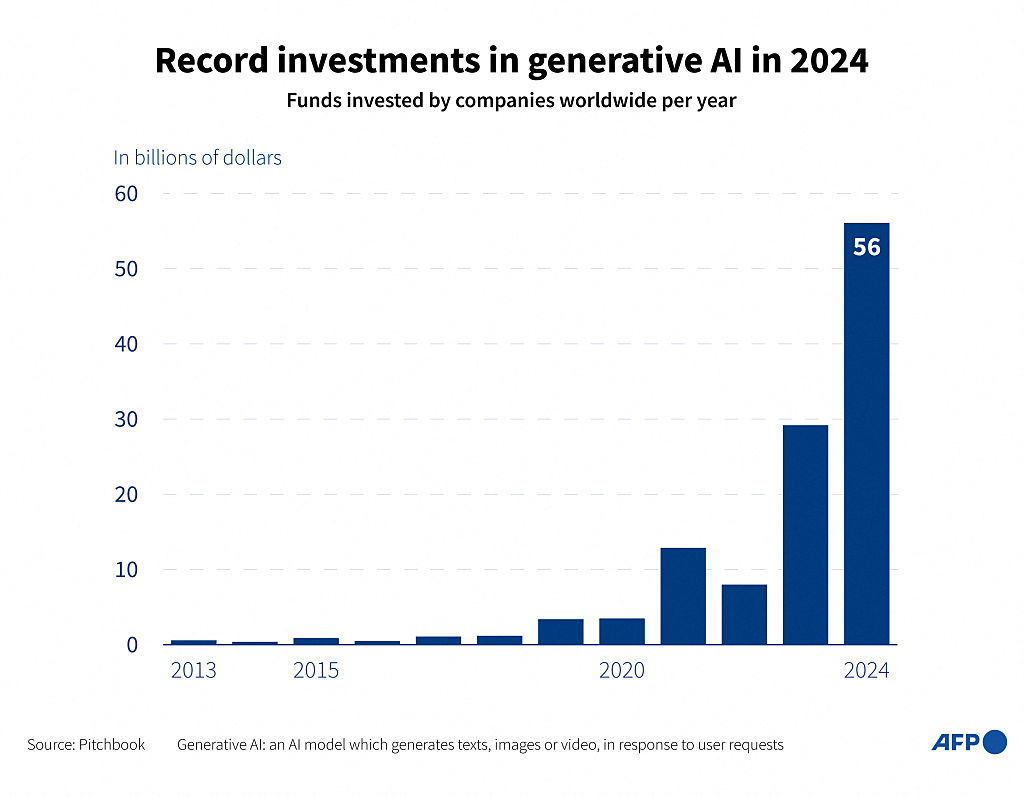
For policymakers and business leaders, LeCun's message can serve as a compass: do not confuse the pace of innovation with economic sustainability. Massive investment may be necessary to remain competitive, but the race for raw metrics (model size, hardware spending) must be balanced by a clear monetization strategy and ongoing efforts to attract talent.
In conclusion, the criticisms leveled against xAI serve as both a specific warning sign and a general reminder: the AI ecosystem is at a crossroads where human expertise, costly infrastructure, and financial expectations must find a new balance. Whether one takes a cautious or optimistic stance, it is wise to follow these developments closely, encourage transparency regarding business models, and prioritize sustainability as much as innovation.

Key Takeaways:
- The loss of talent can be more damaging than temporary financial losses.
- Massive investments without a clear revenue model increase the risk of a market correction.
- The discussion between key figures such as LeCun and Musk sheds light on technical, human, and economic issues that are essential to the sector's future.
