
G7 Trade Dispute: A Comprehensive Analysis of Trump’s Threat of Tariffs and Macron’s Response


/https%3A%2F%2Fcdn-tor.buminteractif.com%2F2026%2F06%2F15185808%2Ftrump-macron-getty-34534dfg.jpg)
Introduction
The G7 summit in Évian-les-Bains, which was supposed to focus on security, economic stability, and international cooperation, was quickly disrupted by an unexpected standoff between the presidents of the United States and France. Donald Trump threatened to impose extremely high tariffs on French wines and champagnes to force France to repeal its digital services tax. Emmanuel Macron responded by firmly rejecting any external interference in national and European legislation. This article offers a detailed analysis of the political, economic, and legal issues at stake in this conflict, as well as plausible scenarios and potential consequences for transatlantic relations.
The Starting Point: The Digital Services Tax
The tax in question, adopted in France in 2019 and adopted by other European countries, levies approximately 3% on revenue generated locally by major digital platforms. Paris's stated objective is simple: to ensure that digital giants contribute where they conduct significant economic activity, even if they do not have a substantial physical presence. For France, this measure represents a way to rebalance a tax system that has become ill-suited to the digital economy. For Washington, it is perceived as discriminatory toward companies primarily based in the United States, such as Google, Amazon, Meta, and Apple.
The Tariff Threat: Strategy and Impacts
The proposal to impose a 100% tariff—and even mention a 200% tariff—on French wines and champagnes is a tactic designed to exert direct pressure. Economically speaking, such a measure would be extremely damaging for several reasons: the United States is a key market for French wines and spirits; the industry includes many small producers vulnerable to tariff fluctuations; and punitive measures could lead to retaliation or broader trade disruptions. Politically, resorting to a targeted sanction against an iconic product seeks to inflict a visible cost in order to force capitulation.
Diplomatic Response and Defense of Sovereignty
Macron's response emphasized a fundamental principle: national and European legislative sovereignty cannot be subordinated to the economic threats of a partner, however valuable that partner may be. By defending the legitimacy of the tax, France is aligning itself with a European effort to create rules tailored to the digital economy. This firm stance also aims to preserve the balance of multilateral negotiations and Paris's political credibility among its peers.
Legal Framework and Options for Resolution
Several paths are available to break the deadlock: bilateral negotiations, recourse to international bodies (such as the World Trade Organization), or accelerating an international agreement on digital taxation within the OECD. Direct negotiation would allow for a quick compromise but involves political concessions; resorting to the WTO or multilateral mechanisms takes longer but offers a rules-based solution and collective legitimacy.
Potential Consequences
- Economic: higher prices for consumers, loss of market share for French producers, and risks of disrupted supply chains.
- Political: erosion of trust among allies, use of trade sanctions for diplomatic purposes.
- Strategic: Acceleration of European efforts toward regulatory and fiscal autonomy in the digital sector.
Summit Highlights
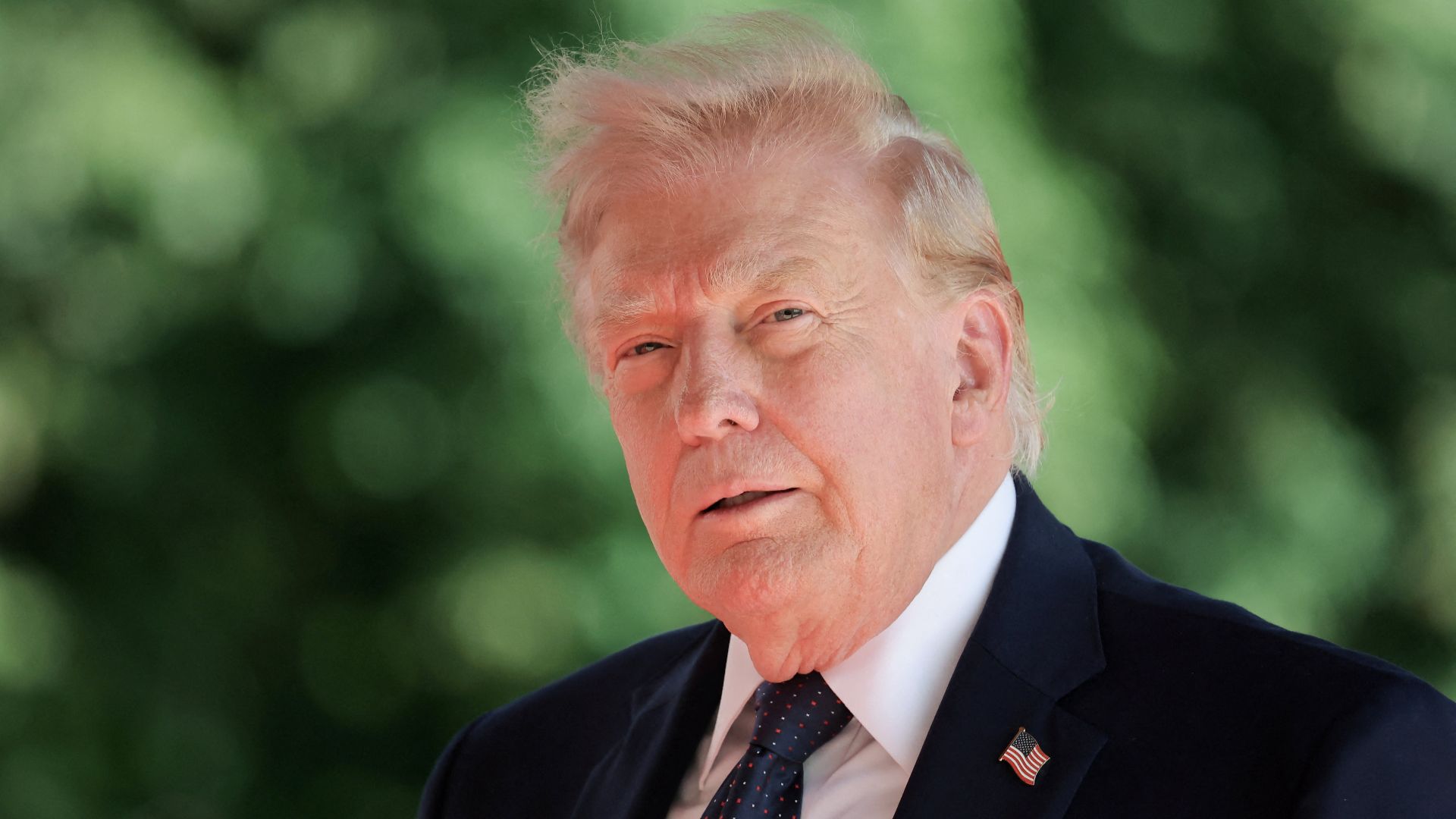
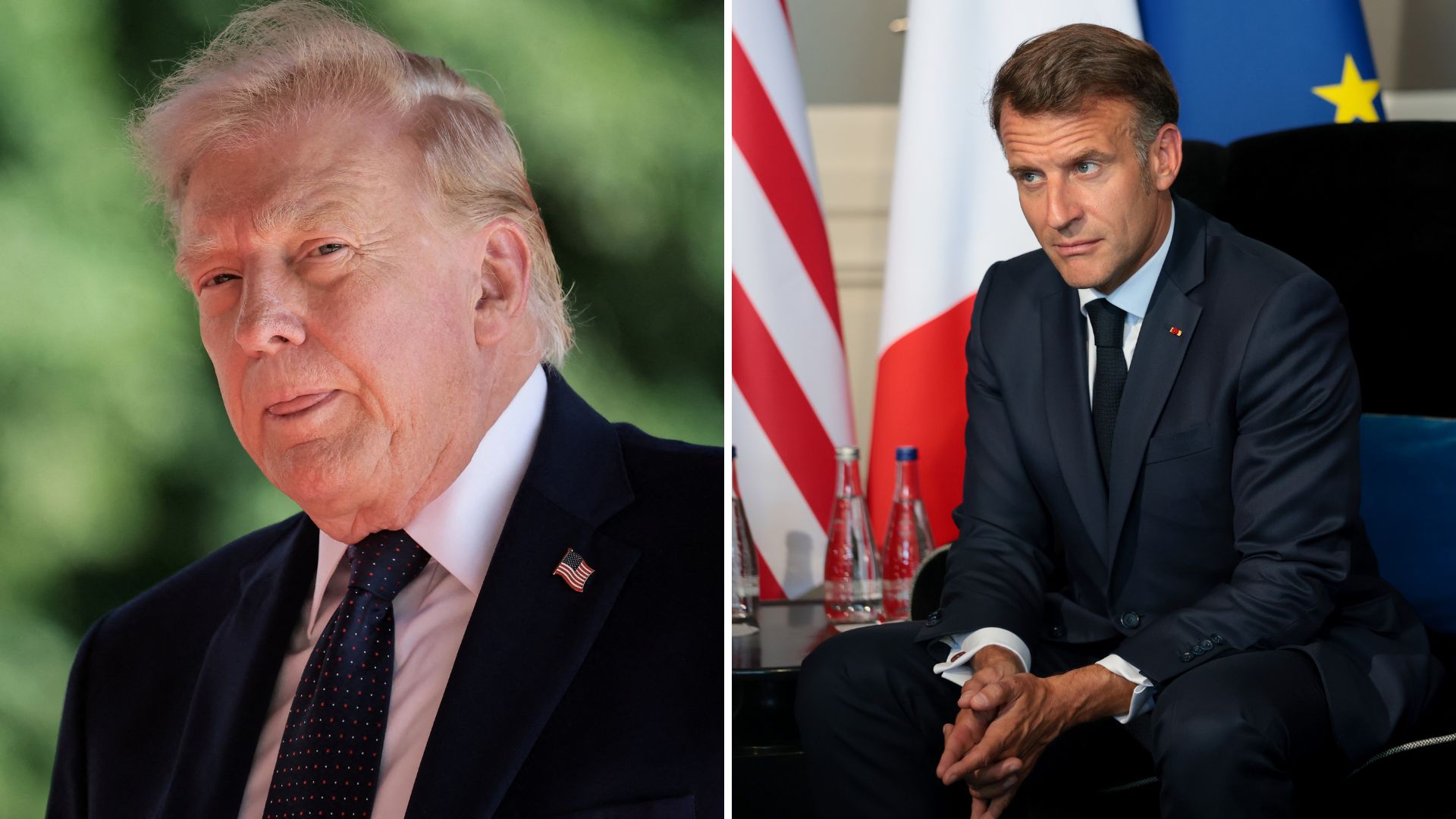
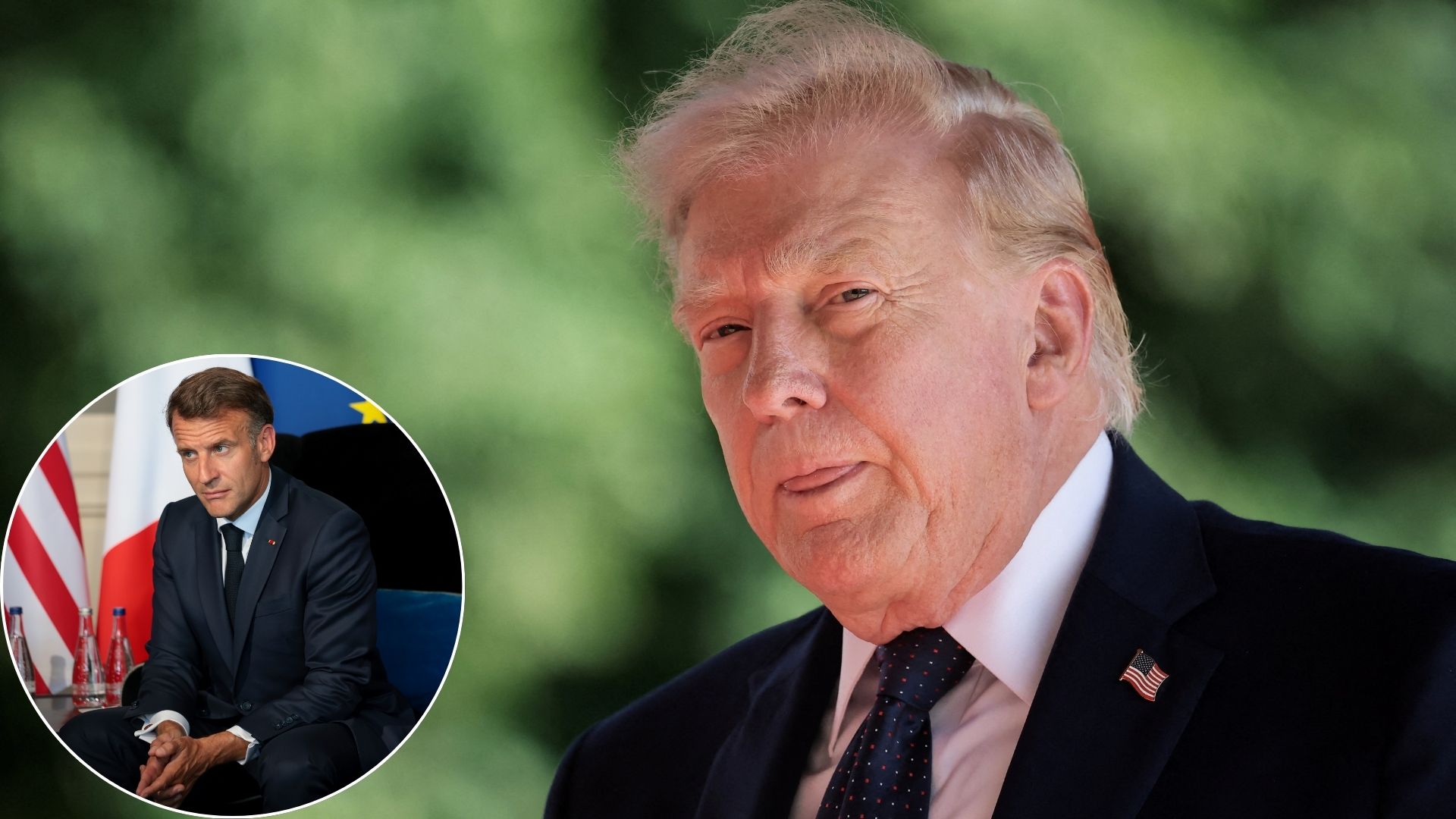
These images capture the dual reality of the summit: traditional diplomatic reunions, but also acute tensions over modern economic issues. They serve as a reminder that symbolic issues (wine, champagne) can quickly become tools for exerting political pressure.
Likely Scenarios and Recommendations
Three scenarios appear most plausible: (1) rapid negotiations with limited concessions on both sides, (2) a tariff escalation followed by international mediation, (3) a stalemate with lasting impacts on transatlantic trust. The best option for limiting the damage remains swift multilateral negotiations, backed by legal guarantees and implementation deadlines. It is also advisable to accelerate discussions at the OECD on a common framework for digital taxation to prevent such disputes from recurring.
Conclusion
The standoff between Trump and Macron at the G7 is indicative of the tensions arising from the transition to a globalized digital economy. It highlights economic interdependence and the risks of trade being used as a political tool among allies. Resolving this crisis will require pragmatism, diplomacy, and a strengthening of multilateral mechanisms to address tax issues that are now at the heart of international relations.
