


/https%3A%2F%2Fcdn-tor.buminteractif.com%2F2026%2F07%2F14165223%2Fai-getty345345dfgdfg345345gdfgd.jpg)
The artificial intelligence boom is beginning to reshape consumer technology in a way few shoppers expected: by making everyday electronics significantly more expensive. After decades during which laptops, tablets and gaming consoles typically became cheaper or offered better value over time, the explosive race to build increasingly powerful AI systems has reversed that trend. Apple, Microsoft and Nintendo are among the first major technology companies to pass rising hardware costs on to consumers, citing mounting pressure across the global semiconductor supply chain. Industry analysts say the problem stems from unprecedented demand for advanced memory chips used in AI data centers, creating a worldwide shortage that is rippling far beyond cloud computing and directly into the products found on store shelves. Experts increasingly describe the phenomenon as «RAMageddon» or «chipflation,» warning that higher prices could remain the new normal for years rather than months.
The root of the crisis lies in the extraordinary investment pouring into artificial intelligence infrastructure. Technology companies are expected to spend more than $700 billion this year building AI-focused data centers capable of training and operating increasingly sophisticated large language models. Those facilities require enormous quantities of high-bandwidth memory, or HBM, one of the most advanced and expensive forms of computer memory available today. Manufacturers have redirected production capacity toward these lucrative AI components, leaving fewer conventional memory chips available for consumer electronics. As supply tightens, production costs for everything from laptops and tablets to gaming consoles continue climbing, forcing manufacturers to make difficult pricing decisions. Analysts say the imbalance cannot be solved quickly because constructing, equipping and calibrating new semiconductor fabrication facilities requires several years, with many forecasts suggesting supply constraints could persist until at least 2028.
As high as 20%
Apple has already begun reflecting those higher costs across much of its hardware lineup. The company recently introduced price increases reaching as high as 20% on several products, affecting laptops, tablets and even refurbished devices. Entry-level MacBook models have reportedly risen by about $150, while higher-end MacBook Pro configurations now cost roughly $300 more than before, pushing some starting prices close to the $2,000 mark. The iPad Air has also climbed by approximately $150, while Apple's Certified Refurbished Store has quietly increased prices between 6% and 15% on older M-series computers that traditionally offered consumers a more affordable alternative. Apple executives have previously indicated that higher component costs have made price adjustments increasingly difficult to avoid, underscoring how the AI-driven semiconductor shortage is beginning to reshape purchasing decisions for consumers who simply want to replace or upgrade their everyday devices.
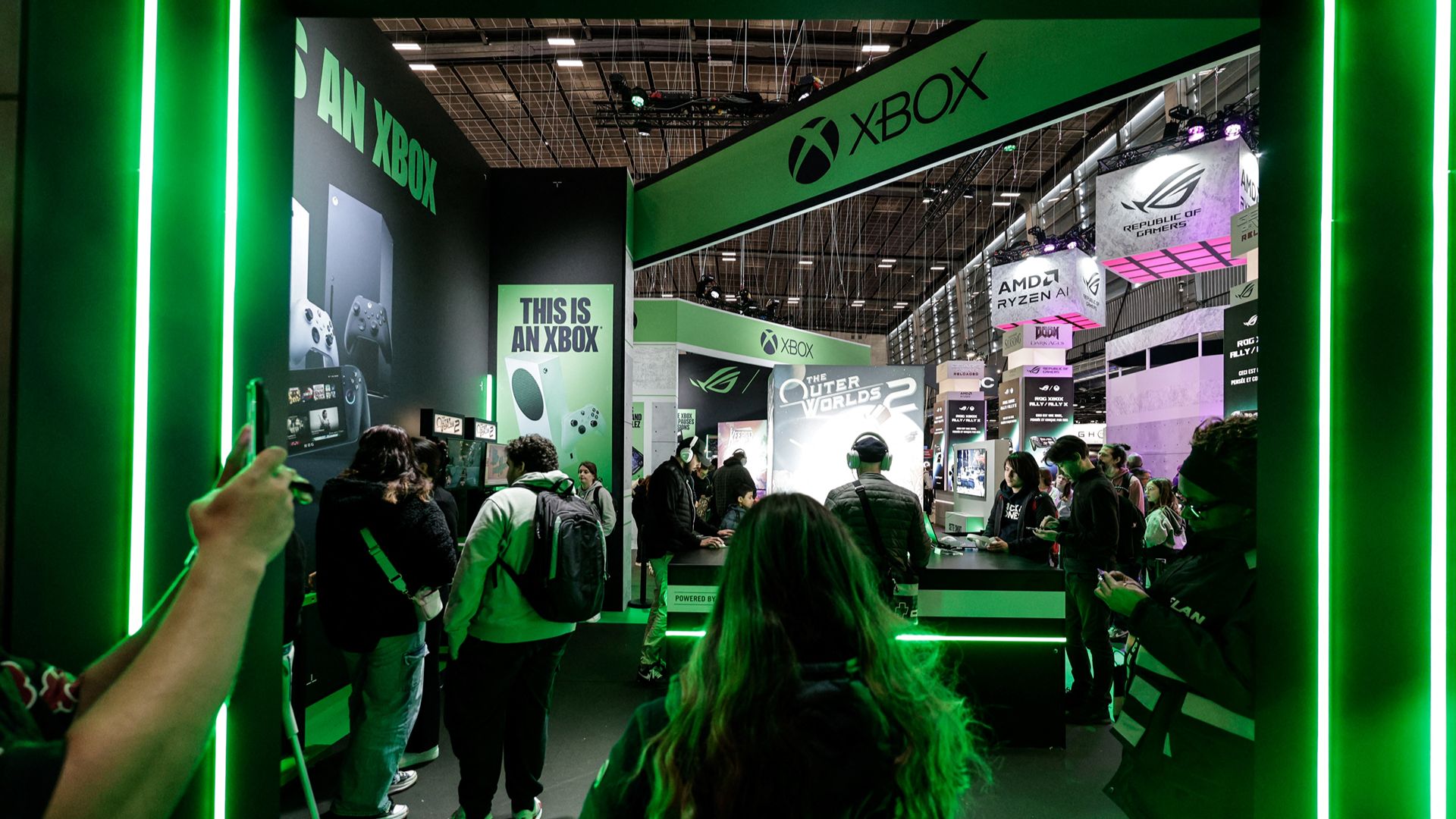
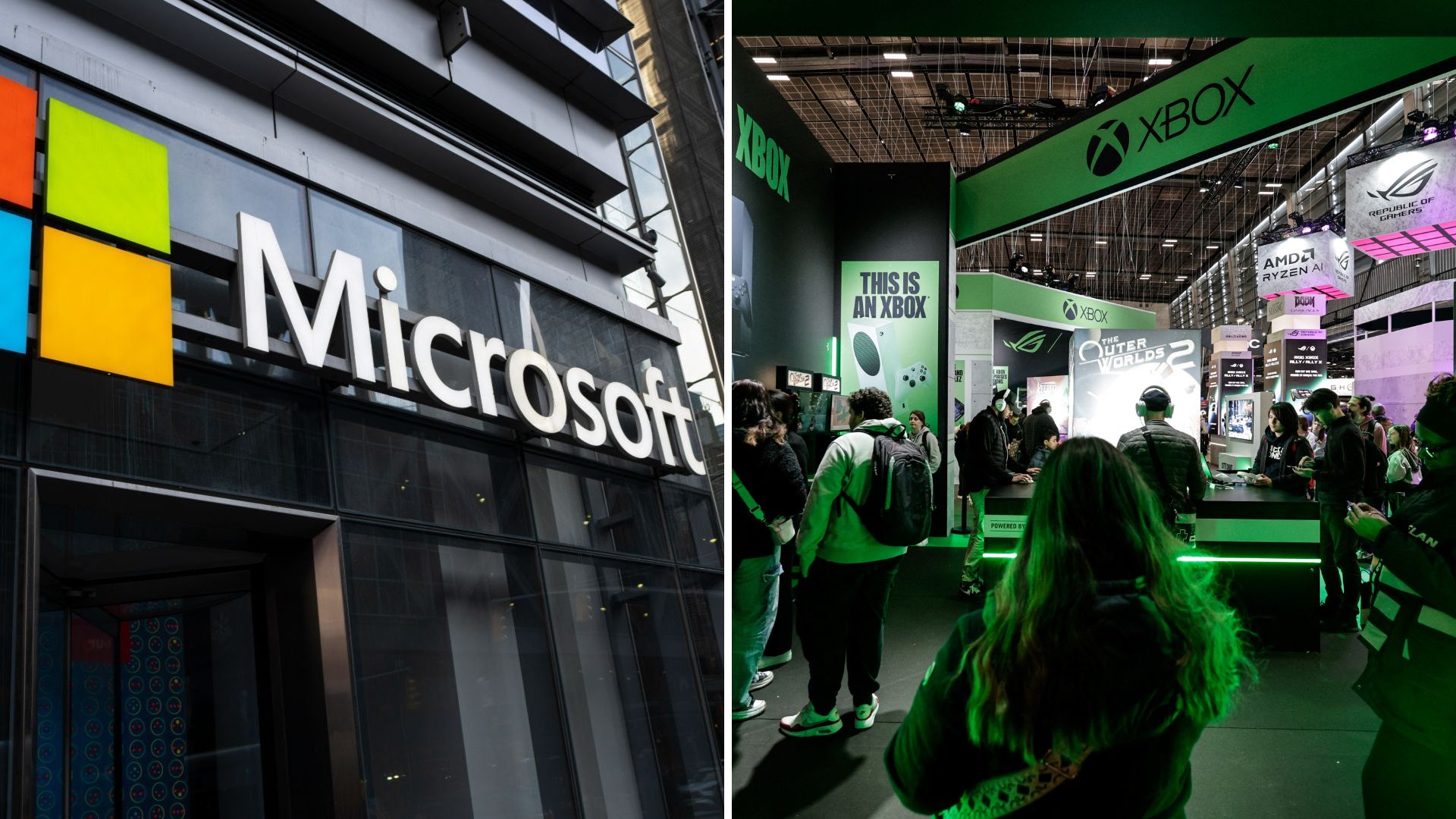
Microsoft is facing many of the same challenges, but the pressure is especially acute in the gaming industry, where consoles have traditionally been sold at little or no profit in order to build a long-term software and subscription ecosystem. Rising memory and storage costs have fundamentally changed that equation. Microsoft announced that beginning Aug. 1, 2026, Xbox consoles would see worldwide price increases ranging from $100 to $150, marking one of the company's largest hardware adjustments in years. The decision reflects the industry's inability to absorb soaring production expenses as AI infrastructure competes for the same advanced components needed in consumer electronics. According to Xbox CEO Asha Sharma, the sector is experiencing «the most severe hardware crisis in history», highlighting how the unprecedented demand for AI chips has forced manufacturers to rethink pricing strategies that had remained largely unchanged for decades.
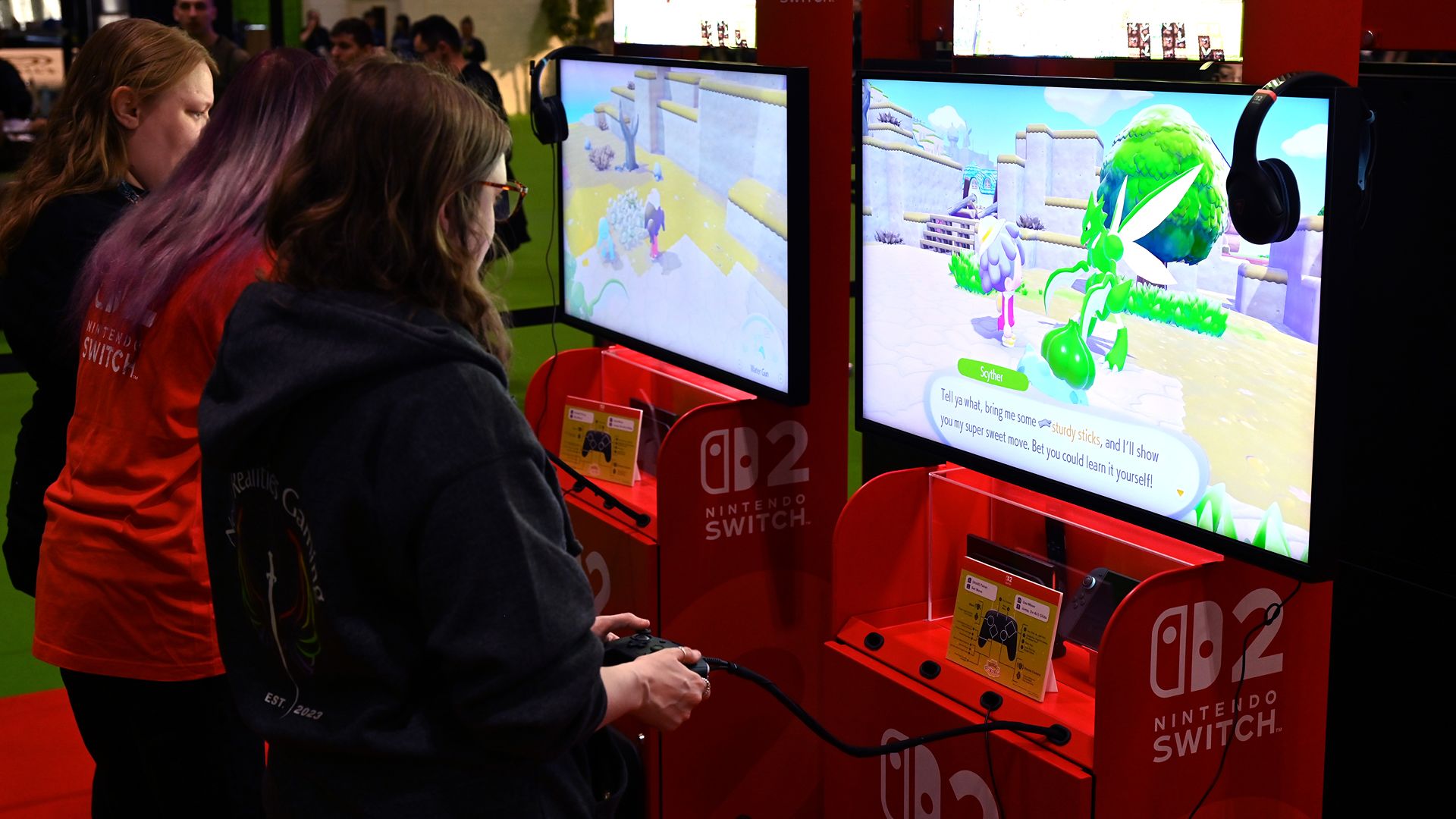
Nintendo, Sony and other gaming hardware makers are confronting the same supply-chain pressures. The Nintendo Switch 2, Sony's PlayStation 5 and Valve's Steam Deck all rely on memory chips and high-speed storage technologies that have become increasingly difficult and expensive to secure as manufacturers prioritize AI-related production. To offset rapidly rising bills of materials, companies across the gaming industry have gradually increased retail prices over recent months, ending years of relatively stable console pricing. Analysts believe consumers should not expect meaningful relief anytime soon, with forecasts suggesting the global memory shortage could continue through at least 2028 before additional manufacturing capacity comes online. Unlike smartphones, laptops or gaming systems, however, products with relatively small memory requirements—such as smartwatches, wireless earbuds and other compact accessories—have so far remained largely insulated from the sharpest effects of the ongoing semiconductor crunch.
Consumer spending habits
The impact is already beginning to reshape consumer spending habits. The International Data Corporation projects global PC shipments will decline by 11.3% during 2026 as higher prices encourage many households and businesses to delay upgrades. At the same time, the consumer price index for software and computer accessories has climbed a historic 14.5% year over year, reflecting the broad inflationary pressure spreading across the technology sector. Economists warn that the unprecedented investment flowing into artificial intelligence infrastructure is likely to keep component prices elevated well beyond this year, extending the financial burden to consumers purchasing everything from tablets and laptops to gaming consoles. What began as a race among technology giants to dominate artificial intelligence is increasingly becoming a challenge for ordinary buyers, who now face the prospect of paying substantially more for products that, until recently, had consistently become cheaper with every new generation.
Created by humans, assisted by AI.
 Apple files trade secret theft lawsuit against OpenAI
 Microsoft cuts 4,800 jobs, including 20% of Xbox workforce